
Potrero Hill: Light and Steel

We are nearing the end of a robust Heritage in the Neighborhoods month! Inside we have:
- Things to do!
- Potrero Hill and Dogpatch history!
- A podcast spotlight on the Haas-Lilienthal House!
- Good news in Ingleside Terraces!
Let us jump in:

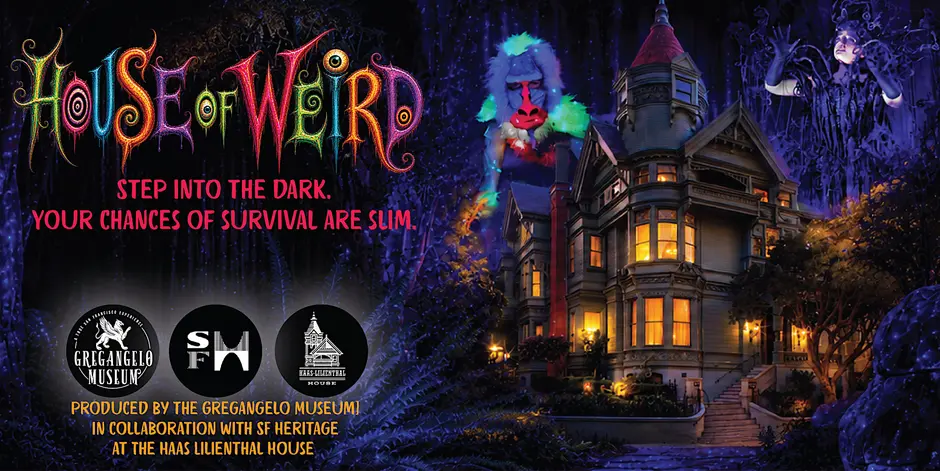
Halloween options: Farley’s Pet Parade and House of Weird
Many of you have already discovered House of Weird at Haas-Lilienthal House. Our friends at The Gregangelo Museum have been pulling out all the stops to make your Spooky Season even spookier. October 31 is already sold out, and there are just a few spots left at 6:30pm on October 30. Grab your tickets now!
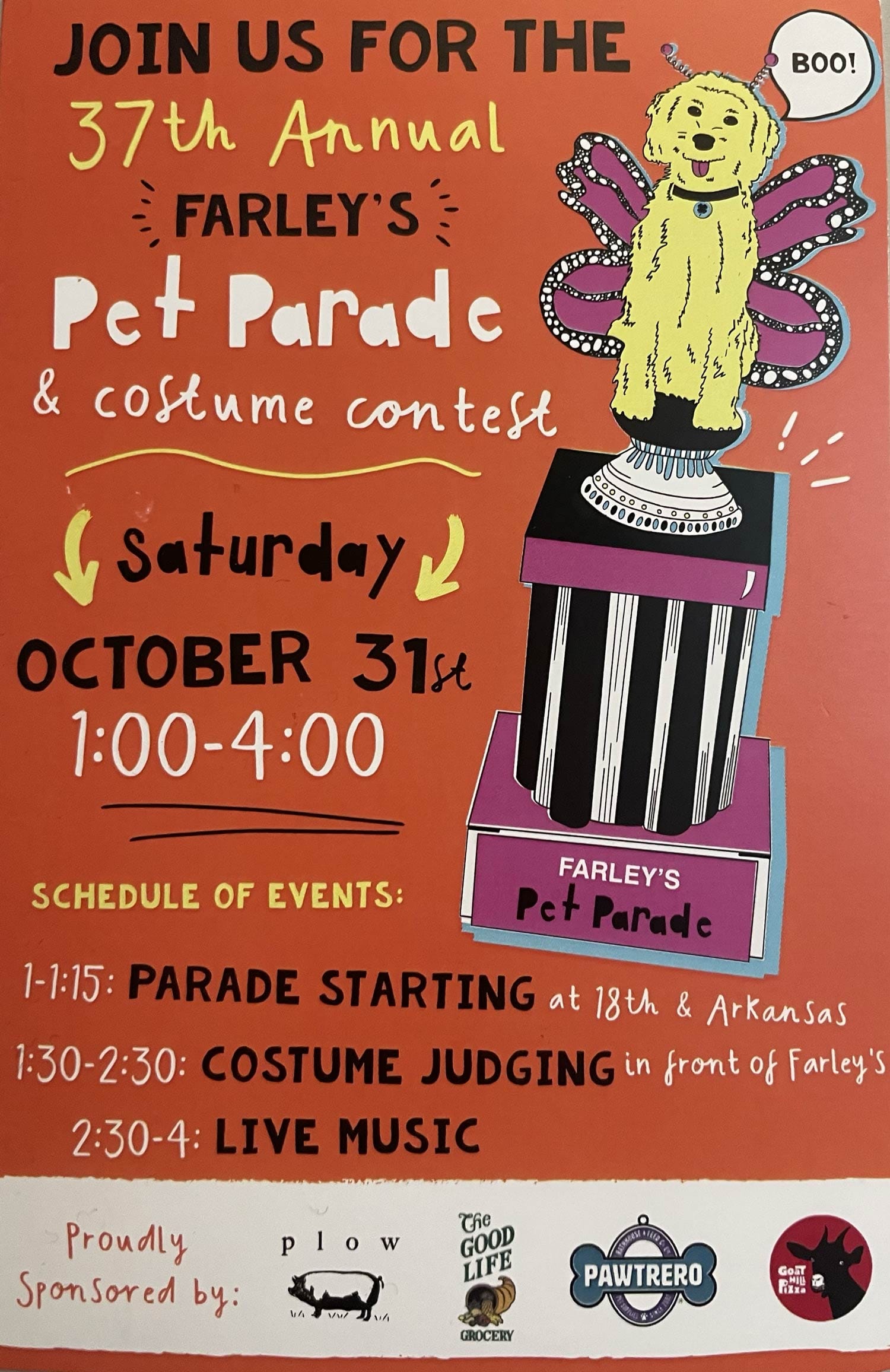
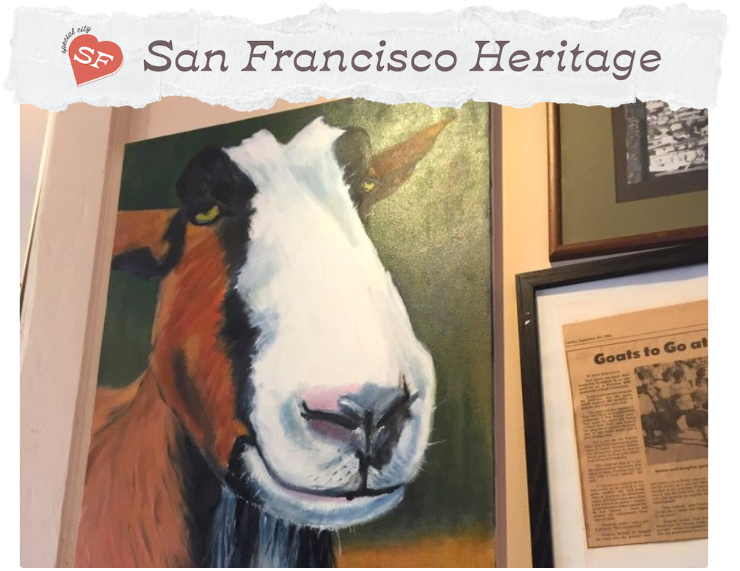
If you want to celebrate Halloween AND Potrero Hill month, head over to Farley’s coffee for their 37th annual pet parade and costume contest. Watch hundreds of adorable dogs (and other animal friends) walk down 18th Street in their Halloween finest. The parade starts at 1:00 p.m. at 18th and Arkansas streets.

Working the Waterfront
Industrial Heritage alive for the Potrero and Dogpatch
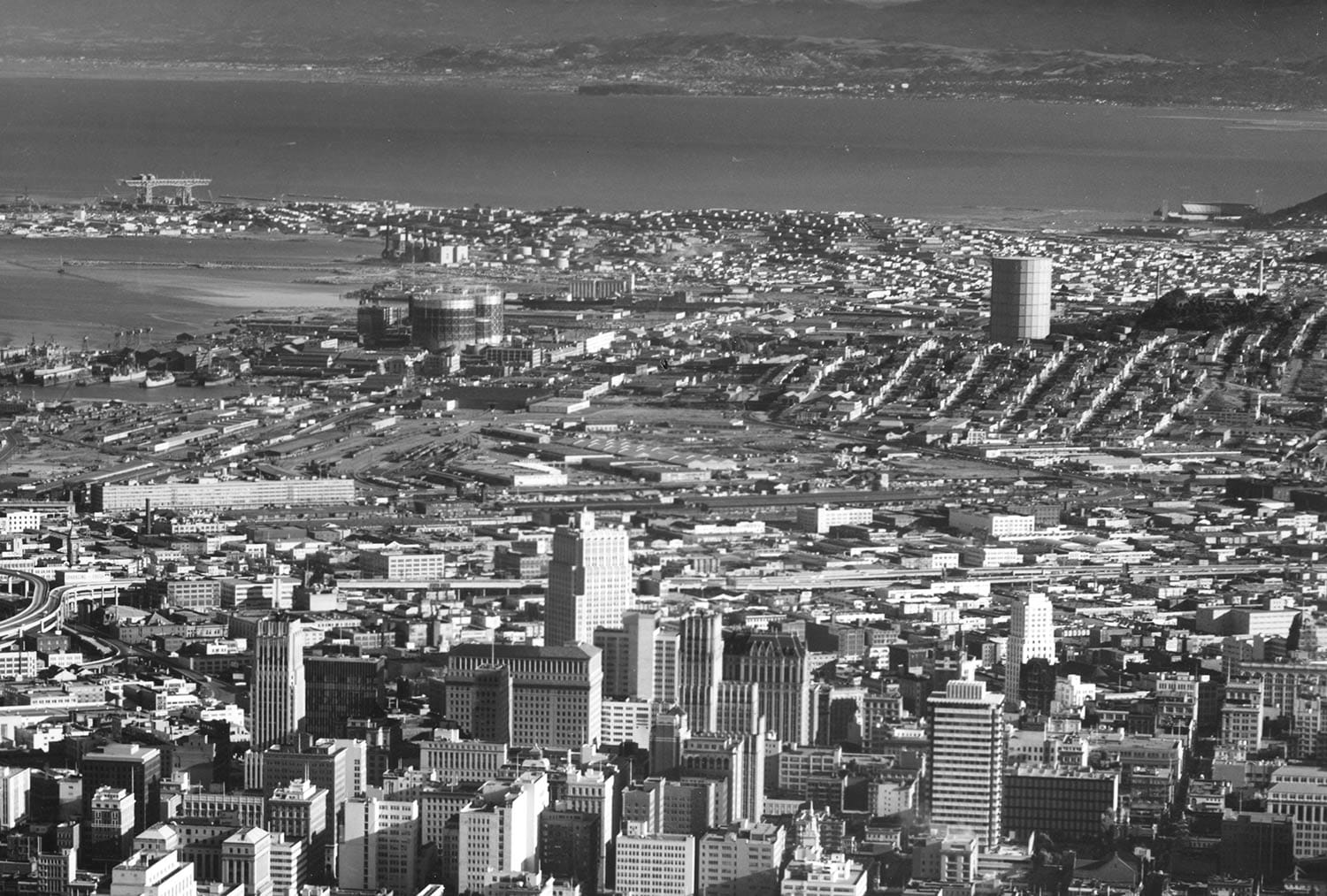
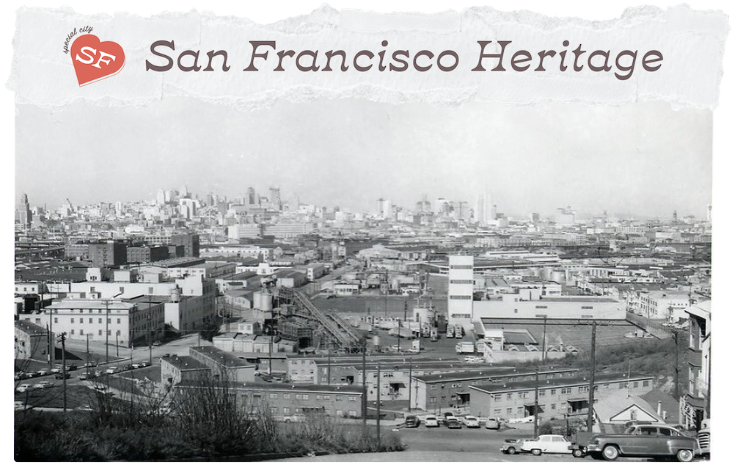
Above: Aerial view from downtown San Francisco to the Central Waterfront and Potrero Hill (OpenSFHistory/wnp27.7882)
All through Potrero Hill Heritage in the Neighborhoods month, we have referenced the waterfront industrial zone on the east which provided employment for so many of the hill’s residents.
Today we will drop into Dogpatch and the Central Waterfront to look at a legacy of heavy industry and how historic buildings are being adaptively reused for 21st century life, including for a local history museum.
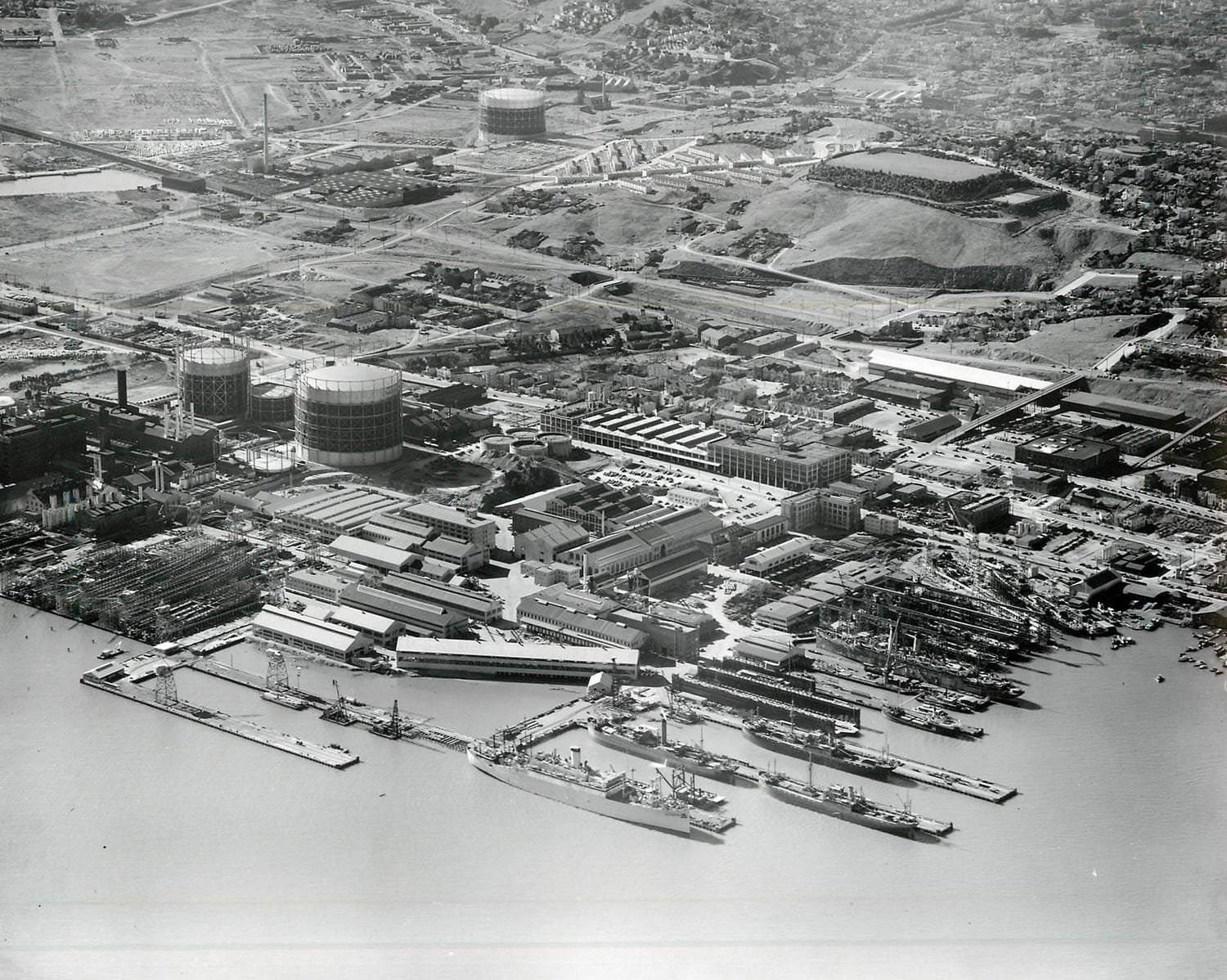
At the time of the Gold Rush, Potrero Hill’s east arm stretched into San Francisco Bay to an outcrop called Potrero Point. From the 1870s to the turn of the century, the point was transformed into the city’s home of industry, including gunpowder production, barrel manufacturing, sugar refining, and power generation.
Down in the Dogpatch
Dogpatch is sometimes considered a neighborhood separate from Potrero Hill, but fewer felt that way before the dividing construction of the I-280 highway. The areas developed together with an 1870s rush of industrialization along the waterfront.
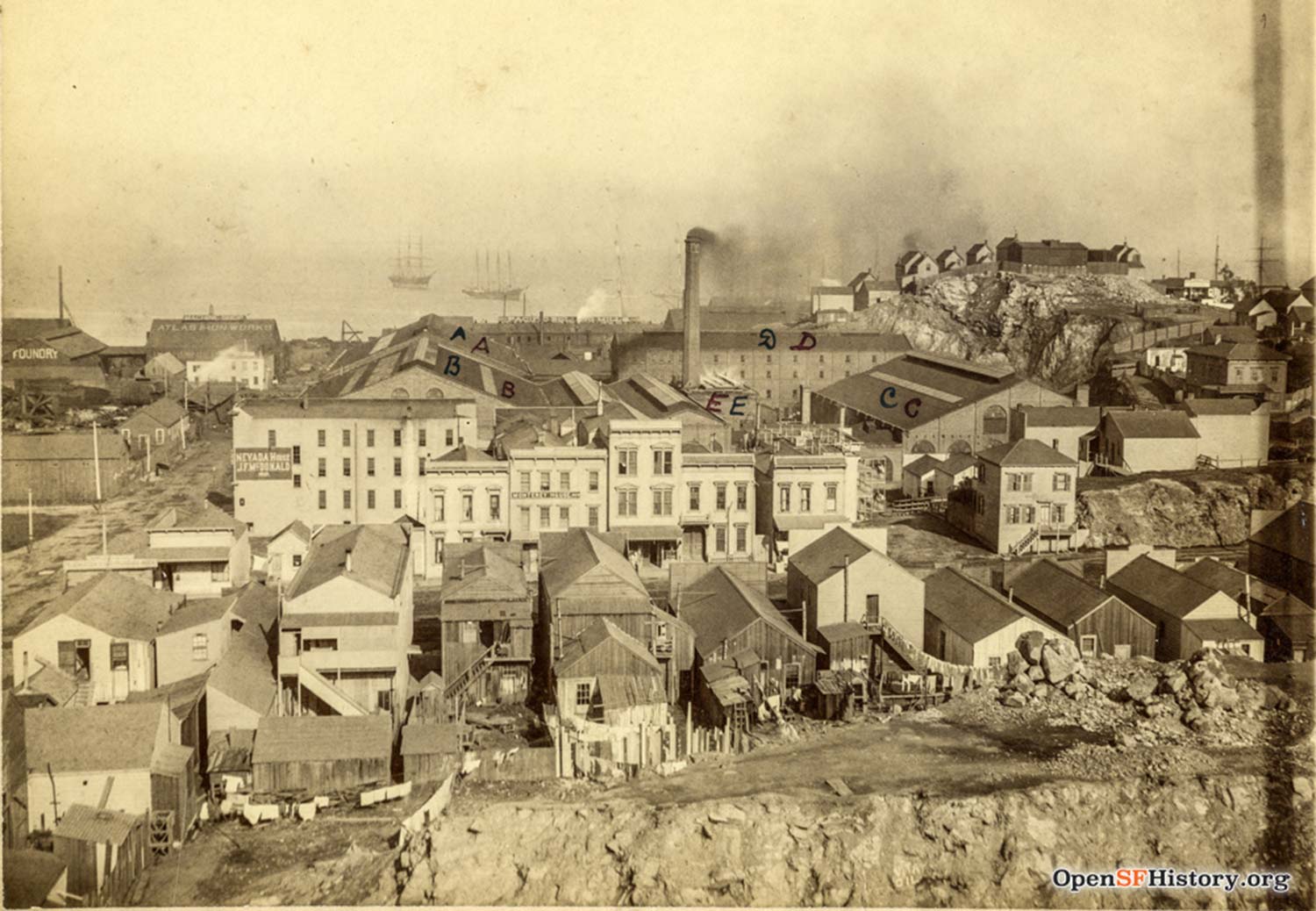
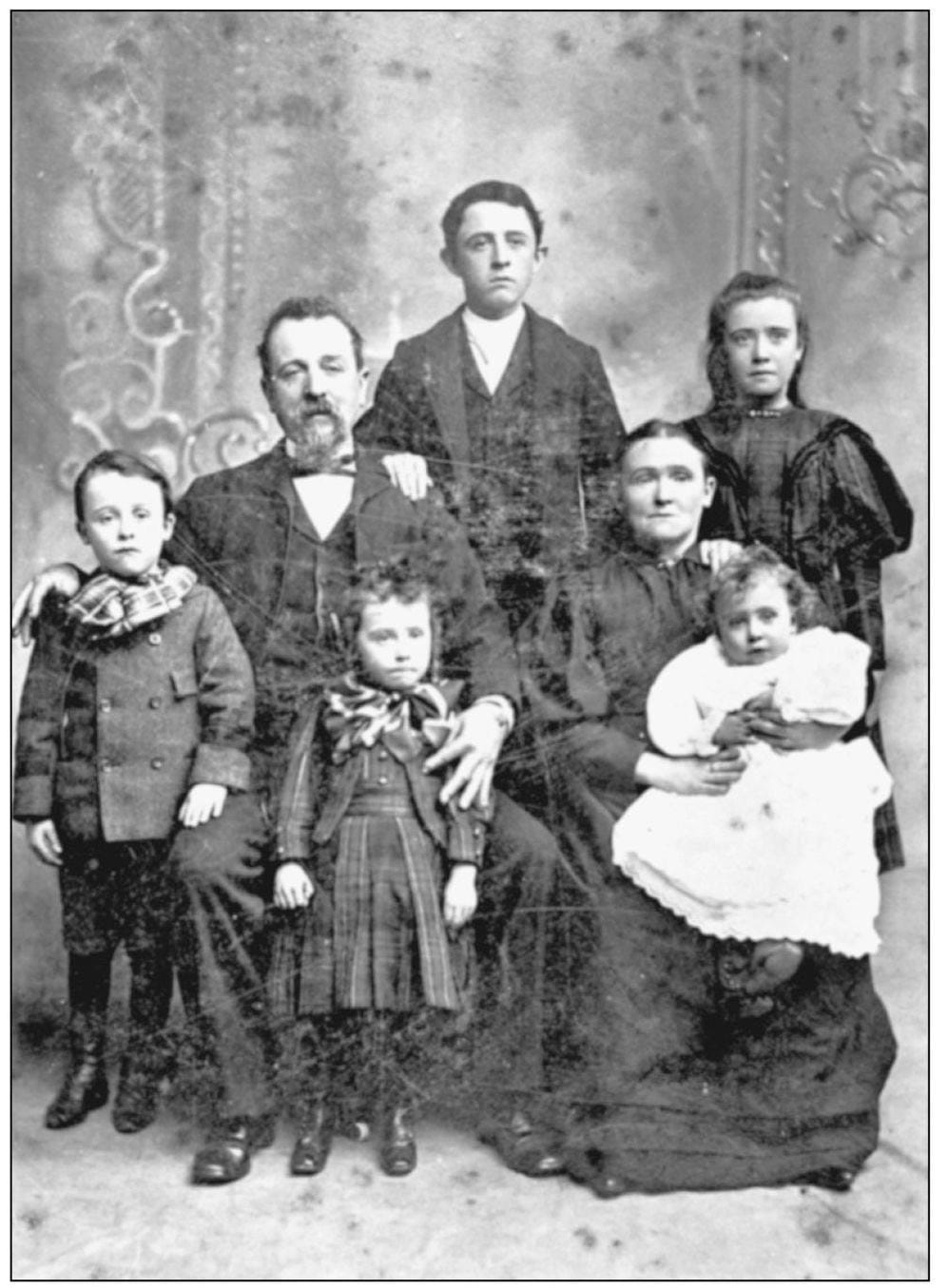
The origins of immigrants who worked at shipyards, factories, refineries, and warehouses were enshrined in the names of Dogpatch enclaves like Irish Hill and Dutchman’s Flat.
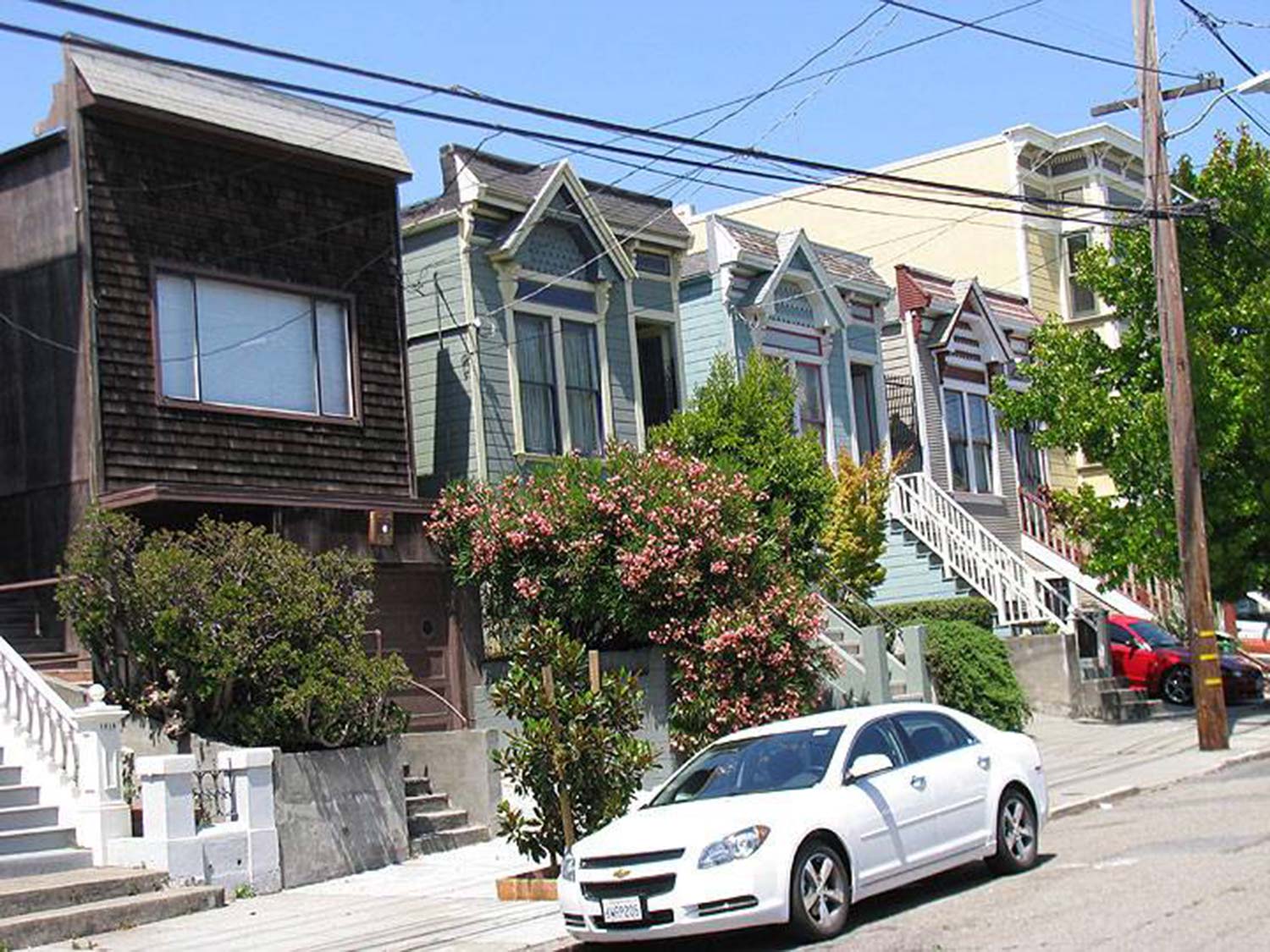
Like on Potrero Hill, modest, economical housing was built for laborers and their families near the shipyards and factories, turning the neighborhood into something of a company town. Clusters of these homes stand today, including 13 identical Eastlake-style cottages that sit back-to-back on Tennessee and Minnesota streets between 20th and 22nd streets.
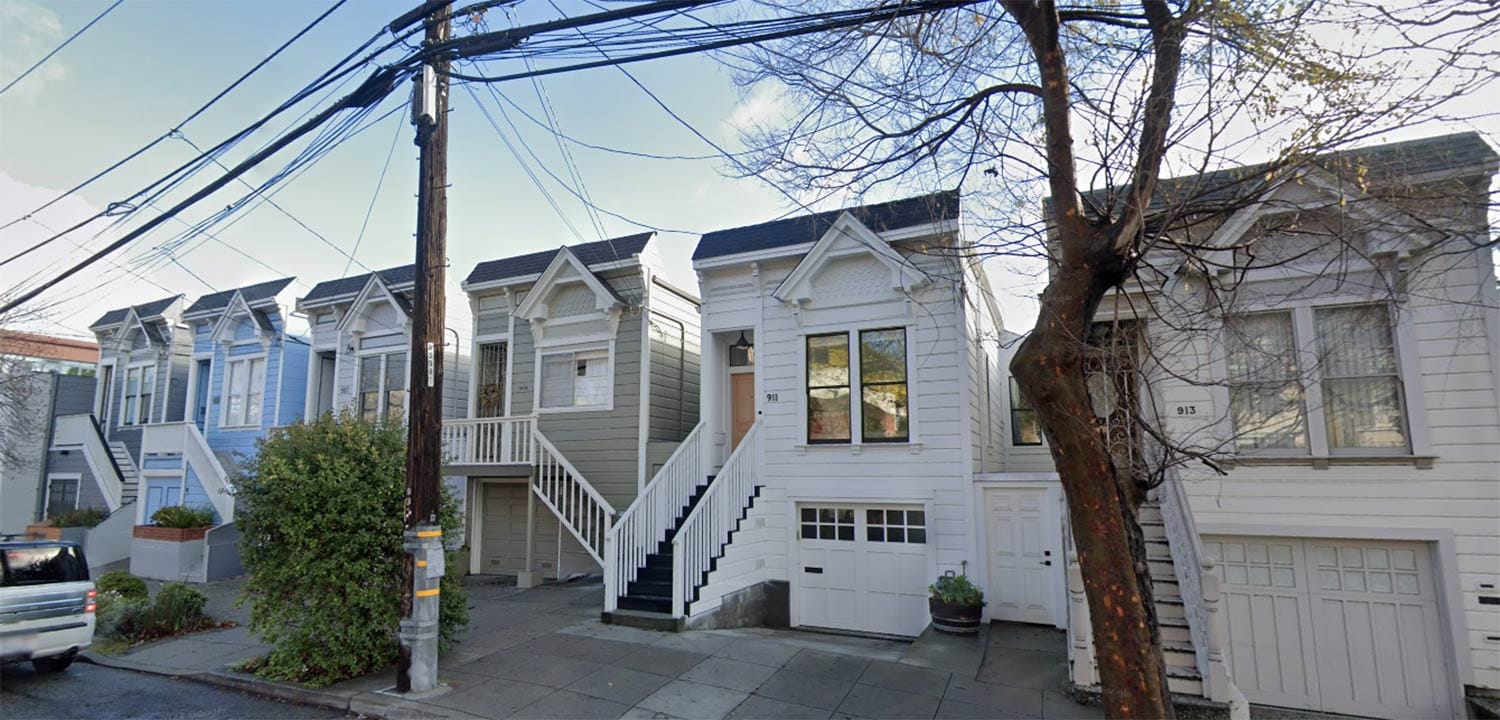
The designs for these four-room cottages were taken from local architect John Pelton, Jr.’s “Cheap Dwellings” series. Contractors used Pelton’s simple plans, which were published in newspapers, to construct housing across the city. The Dogpatch cottages were built in 1887 by contractor Rees Davis for about $850 each.
In the late 1990s, SF Heritage and architectural historian Christopher VerPlanck worked with the Dogpatch Neighborhood Association to survey the area. The local Dogpatch Historic District, bounded by Mariposa, Tubbs, 3rd, and Indiana streets, was designated by the city in 2003 and has helped preserve historic buildings as the neighborhood has increasingly gentrified.
Electric City
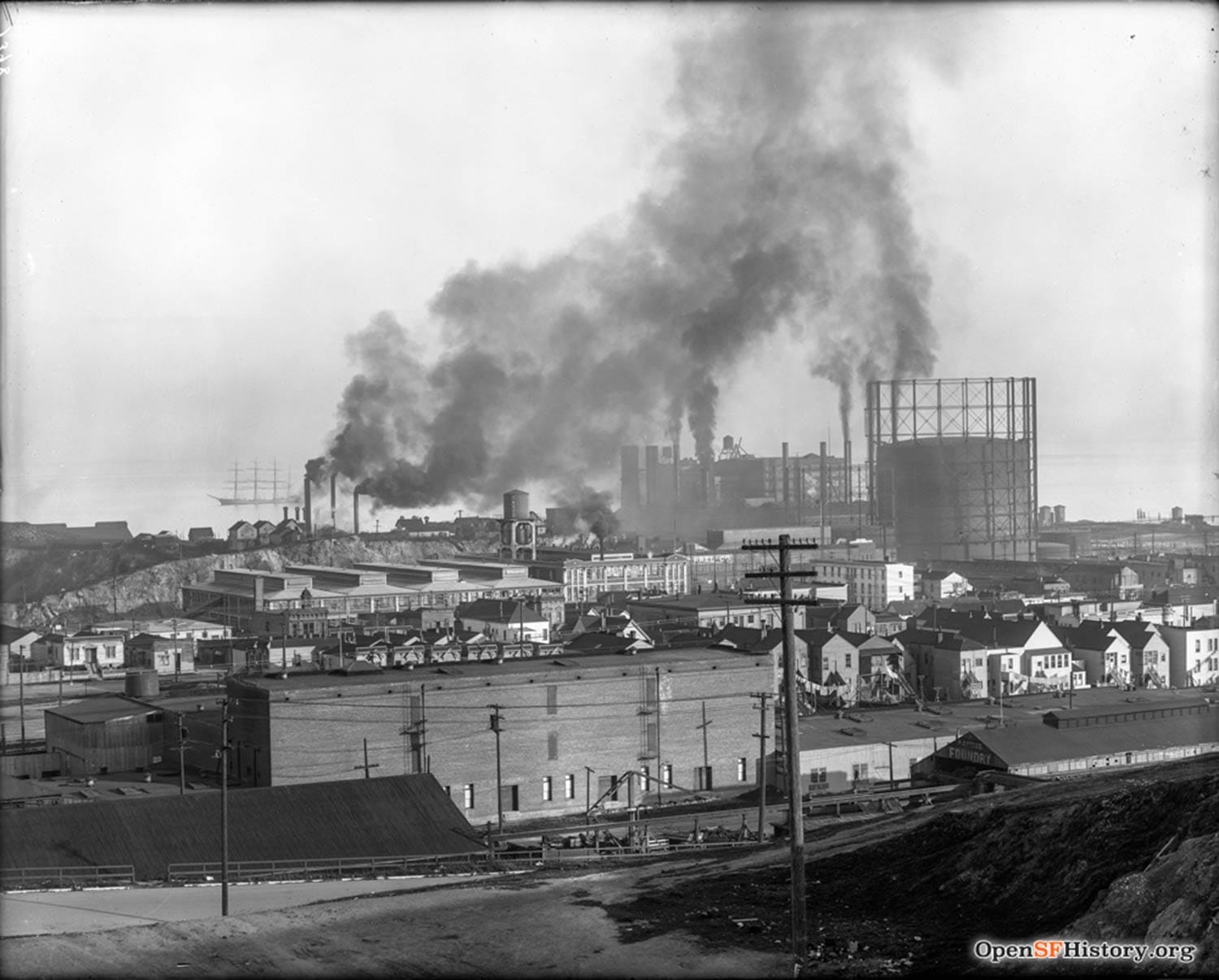
In 1900 and 1901, Claus Spreckels’ Independent Electric & Gas Power companies started electric power generation and gas manufacturing on the land around Illinois and 23rd streets just to the west of the sugar baron’s waterfront refinery.
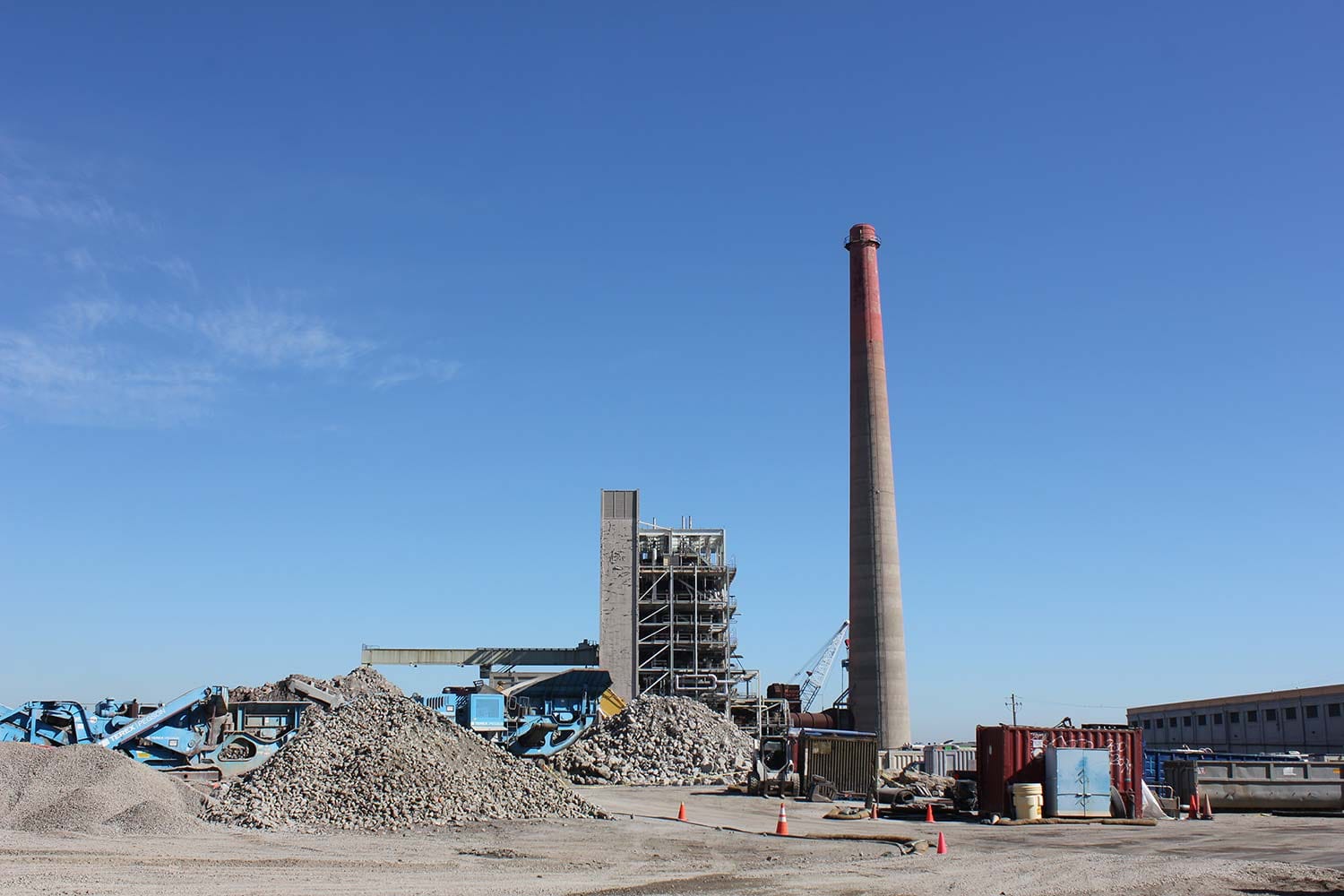
What became the Potrero Power Station grew over the century to occupy 30 acres containing large gas holders (see last Friday’s post on our social media), turbines, and a steam electric plant with a 300-foot-tall boiler stack. The last is still a local landmark of the waterfront.
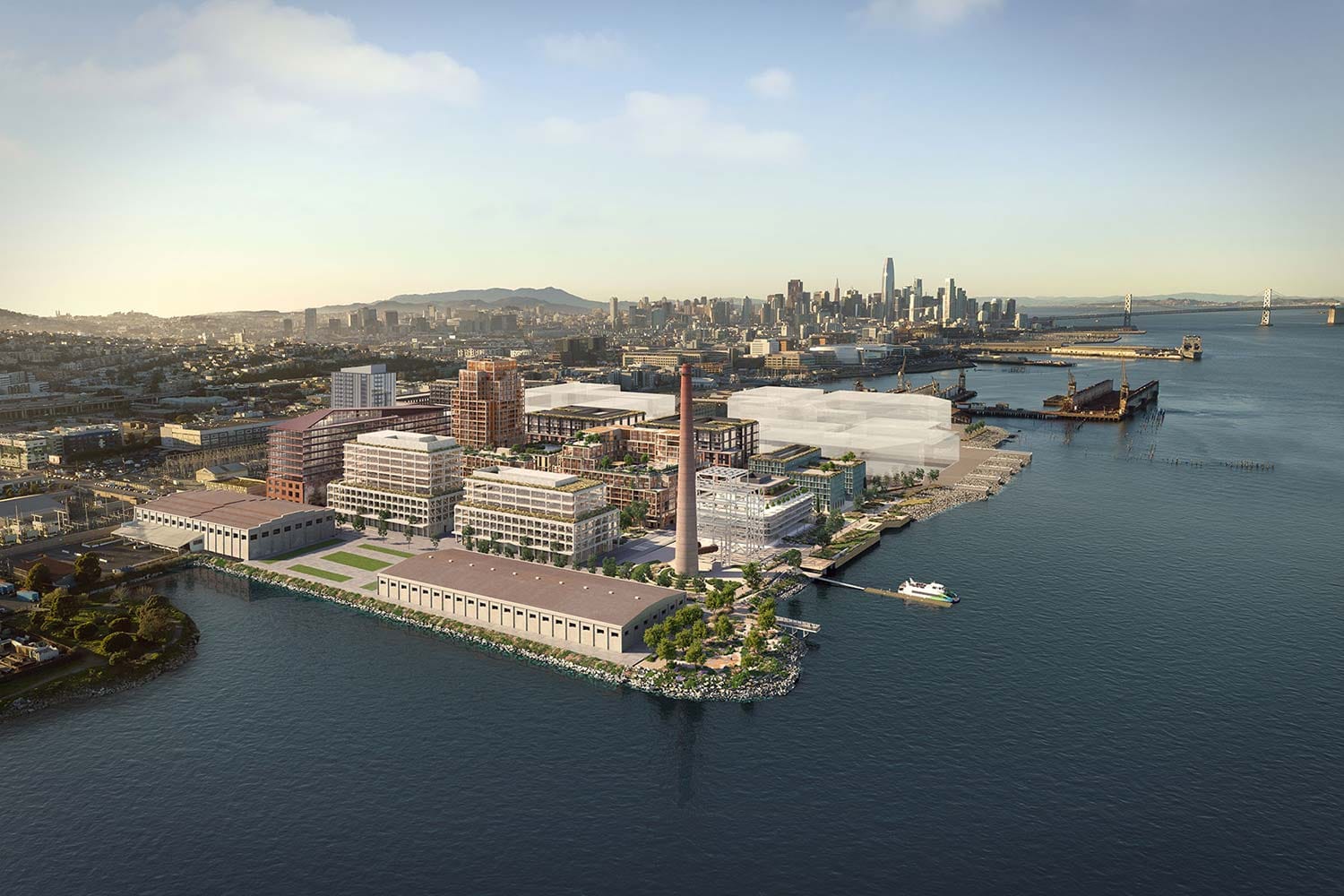
Project developer Fifth Space is remaking the former power station site into a mixed-use community of offices, housing, a cancer research center, and a waterfront park.
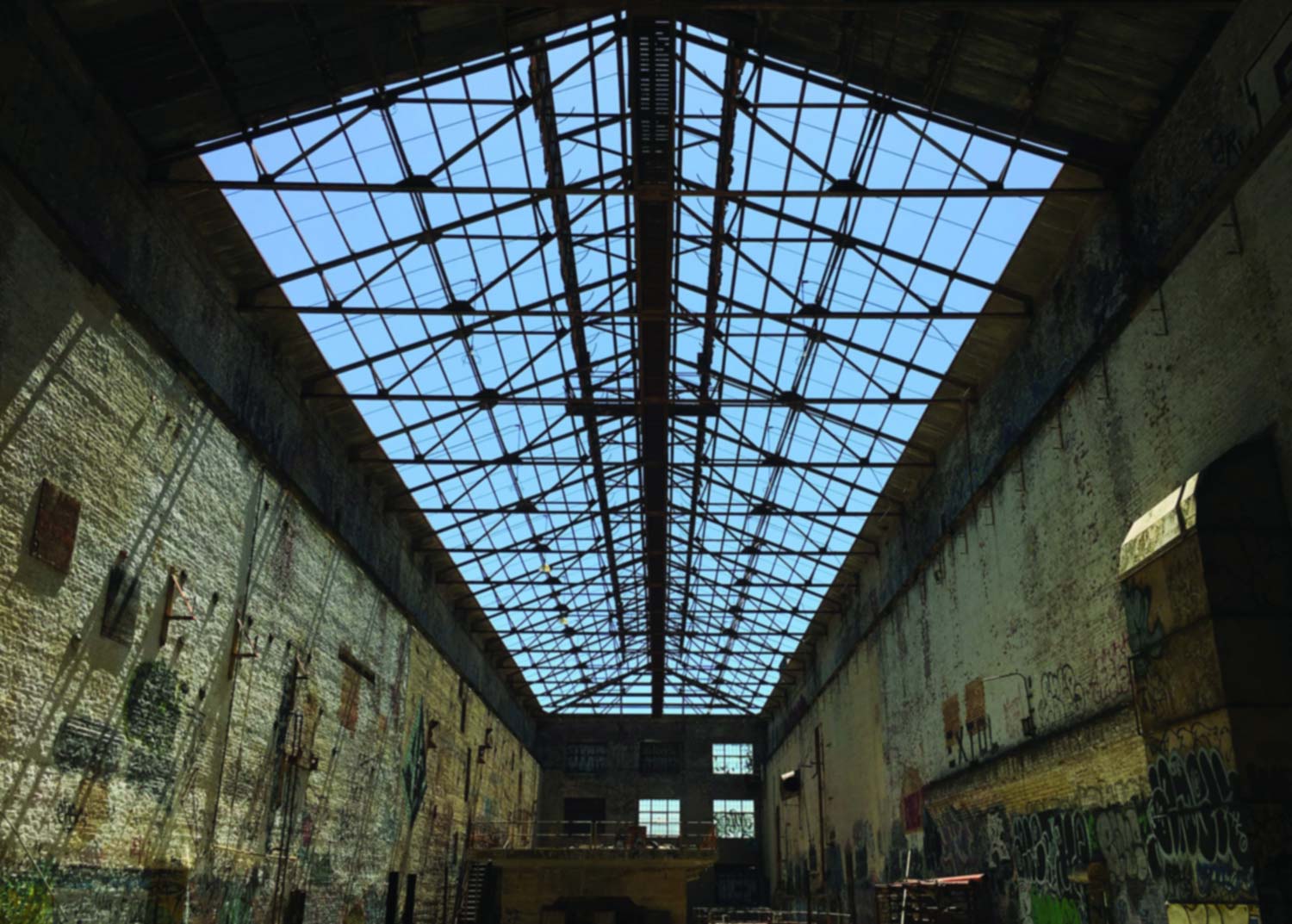
During the re-envisioning of the power station site, SF Heritage assisted in advocating for the retention of significant historic features such as the boiler stack and the former Station A turbine hall.
The Shipyard Next Door
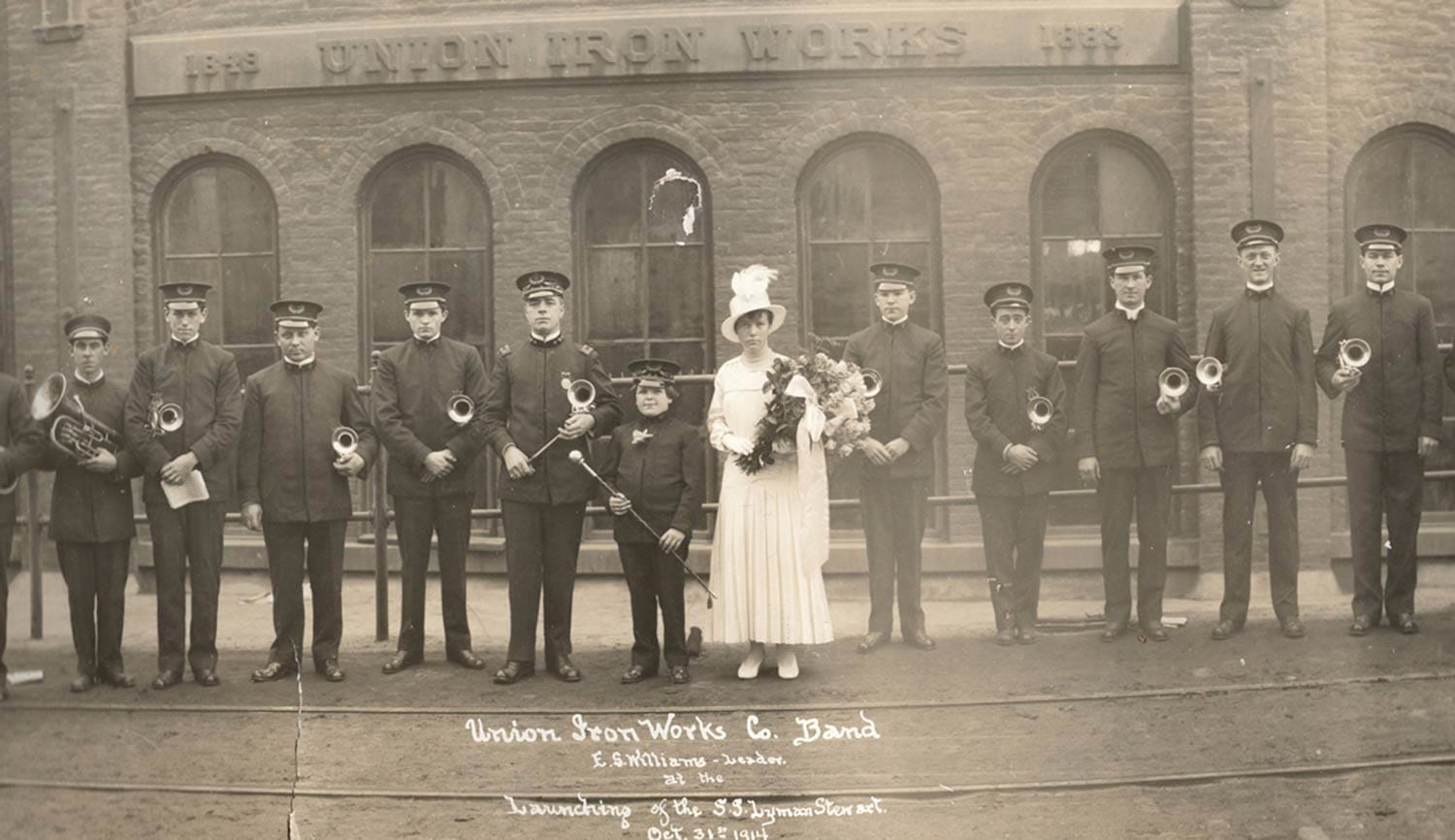
In 1849, brothers James and Peter Donahue established a small iron works that would grow, relocate, and become one of the largest shipbuilding yards on the West Coast and a major part of Potrero Hill history.
In 1883, Union Iron Works purchased 32 acres of land on Potrero Hill and Dogpatch’s east side on the Central Waterfront between 18th and 22nd streets.
By the early 20th century, the plant at Pier 70 was the major employer of the area with a machine shop, iron foundry, boiler shop, two blacksmith shops, joiner shop, copper shop, four building slips with overhead cranes, and a hydraulic-lift dry dock.
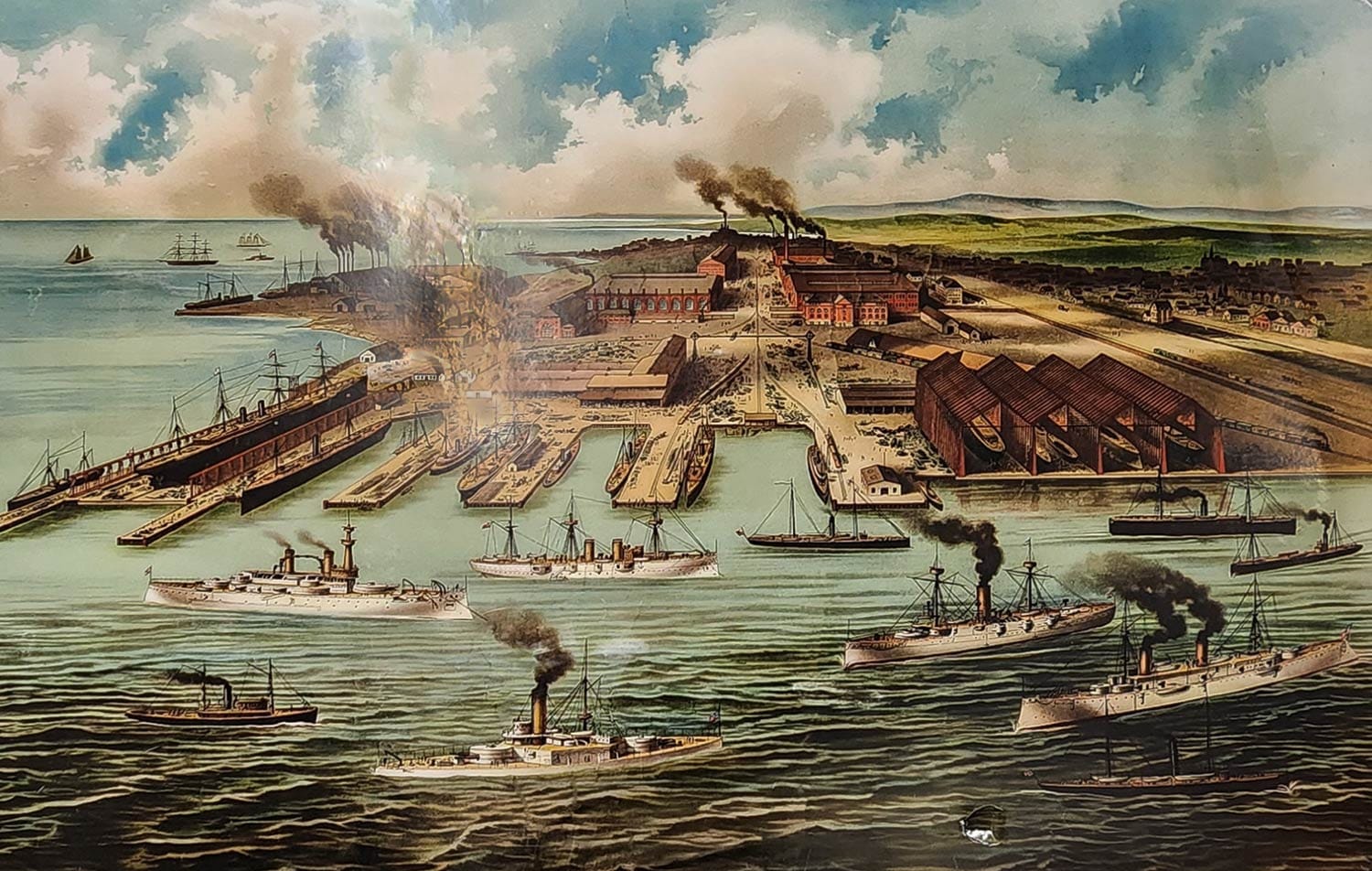
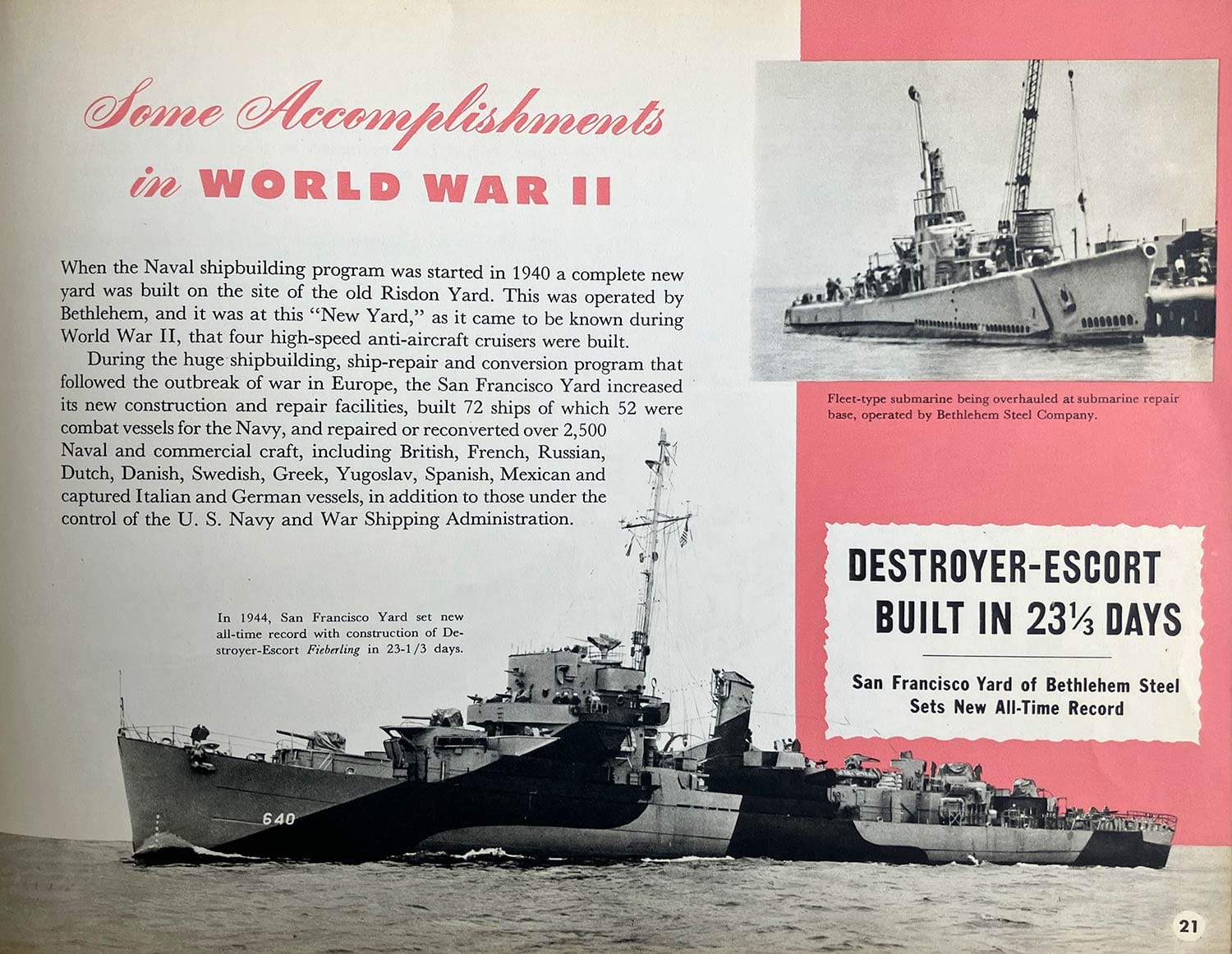
During World War I, 16,000 employees worked at Union Iron Works producing 66 destroyers and 18 submarines for the war effort. In World War II, more than 70 vessels were built at the yard including a destroyer-escort in just 23½ days.
Today the former Union Iron Works campus at Pier 70 is a public/private partnership featuring retail, offices, research-and-development labs, and, in Building 12, the Pier 70 Time Machine.
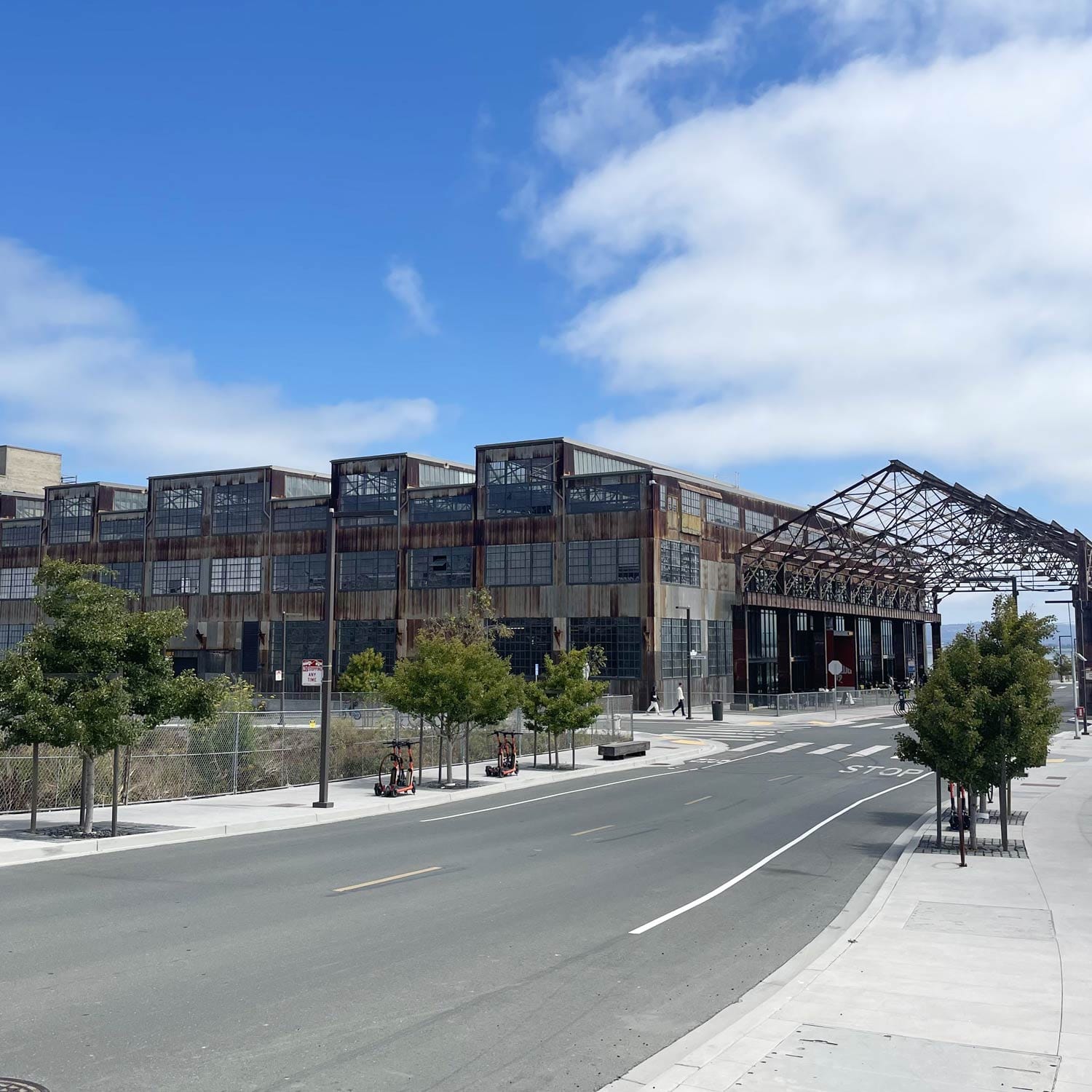
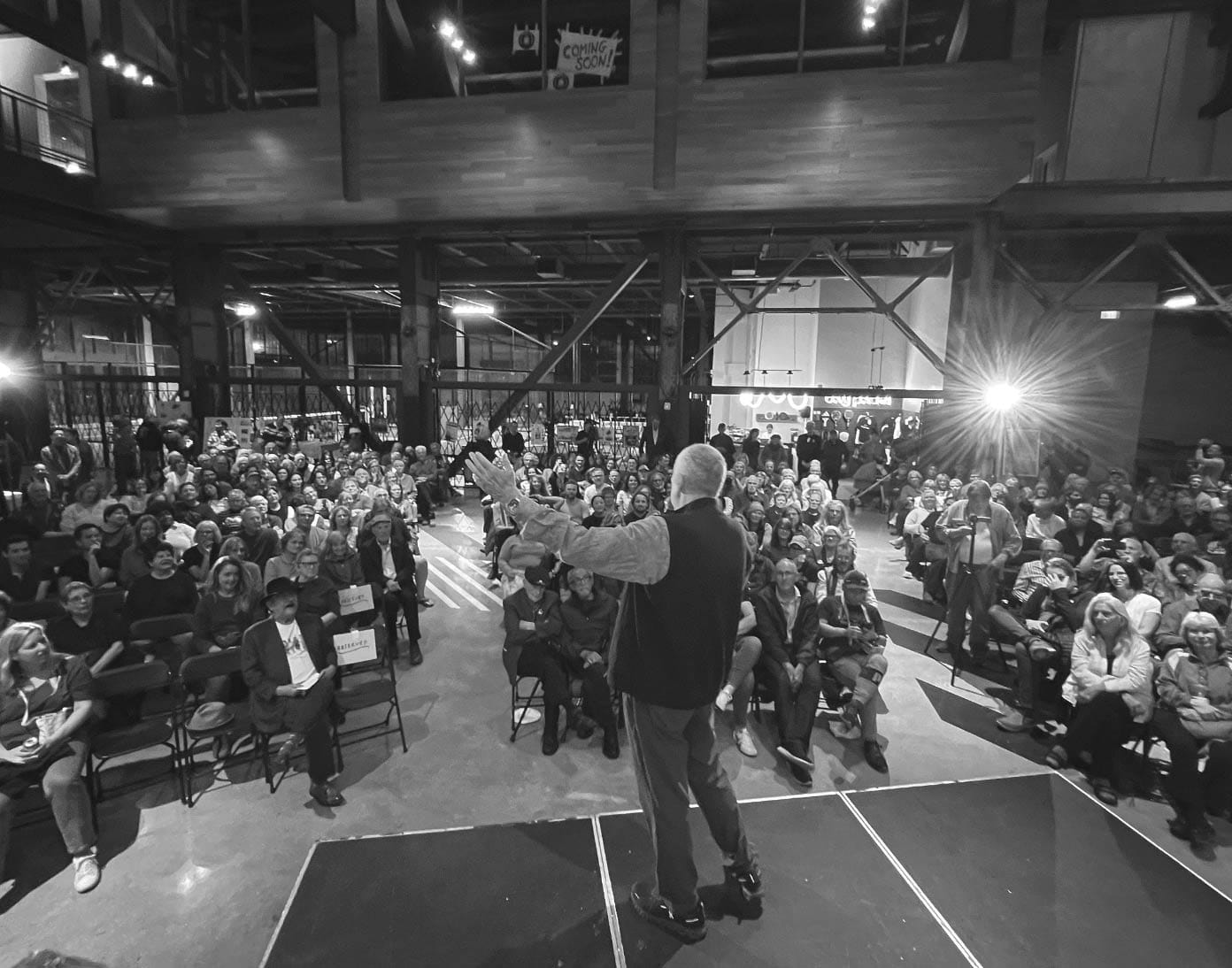
This newly opened free museum celebrates the working history of the Central Waterfront and will host the 27th annual Potrero Hill & Dogpatch History Night on Saturday, November 7 at 5:30 p.m. (program starts at 7:00 p.m.). Come enjoy pizza, live music, historic photos, and community history in action.
An extra tidbit: SF Heritage named the Pier 70 project one of our Heritage Heroes at our 2025 Landmark Luncheon. Read more
Also! For SF Heritage Special City Landmark Club members ONLY, Peter Linenthal of the Potrero Hill Archives Project is offering a guided tour of the Pier 70 Time Machine this Sunday, November 1. Join or upgrade today and let us know you want to be part of the tour.
Ingleside Terraces Nomination Sent to State
SF Historic Preservation Commission adopts resolution of support
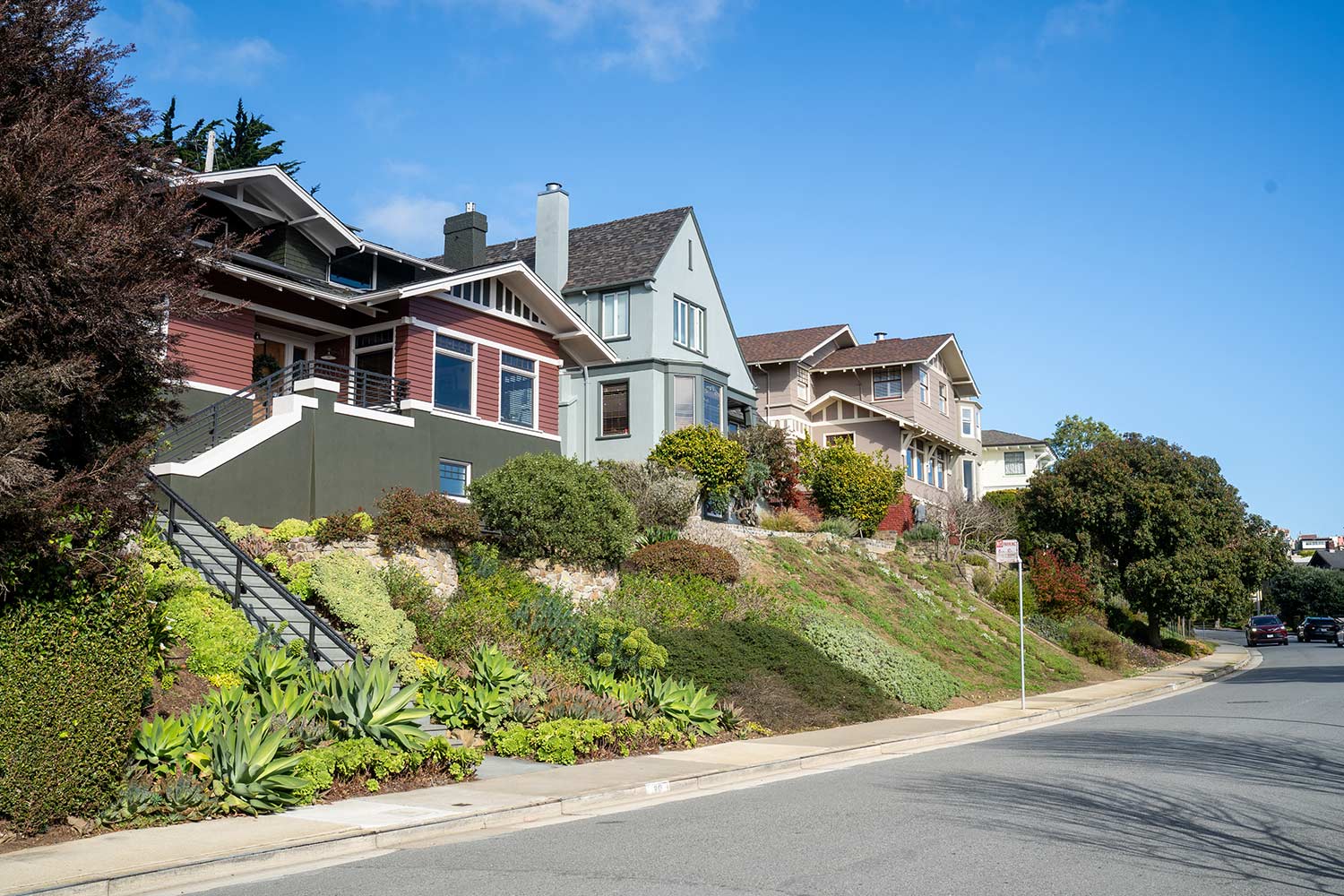
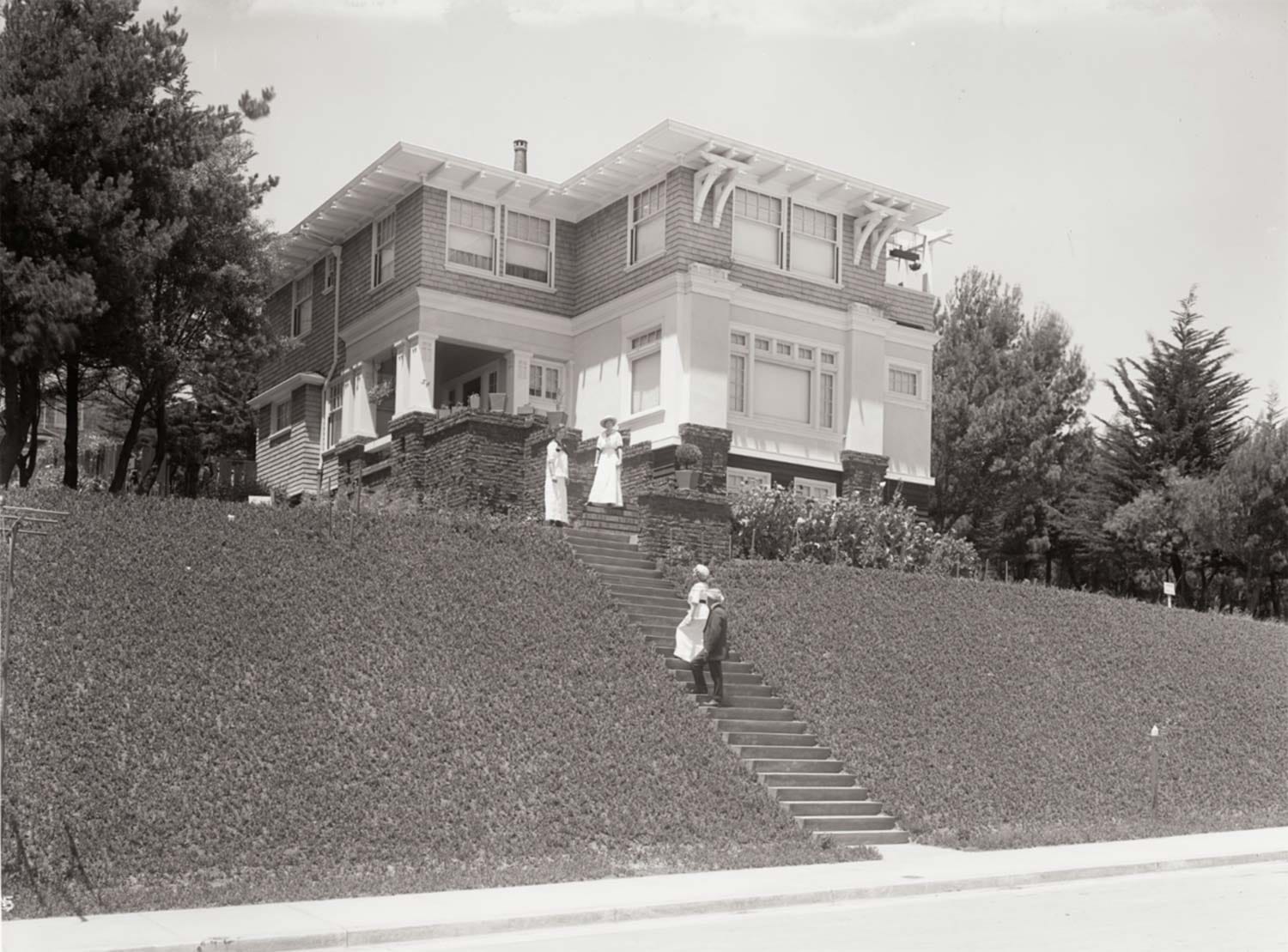
On October 21, 2026, San Francisco’s Historic Preservation Commission unanimously adopted a resolution to be sent to the California Office of Historic Preservation in support of an Ingleside Terraces National Register Historic District nomination.
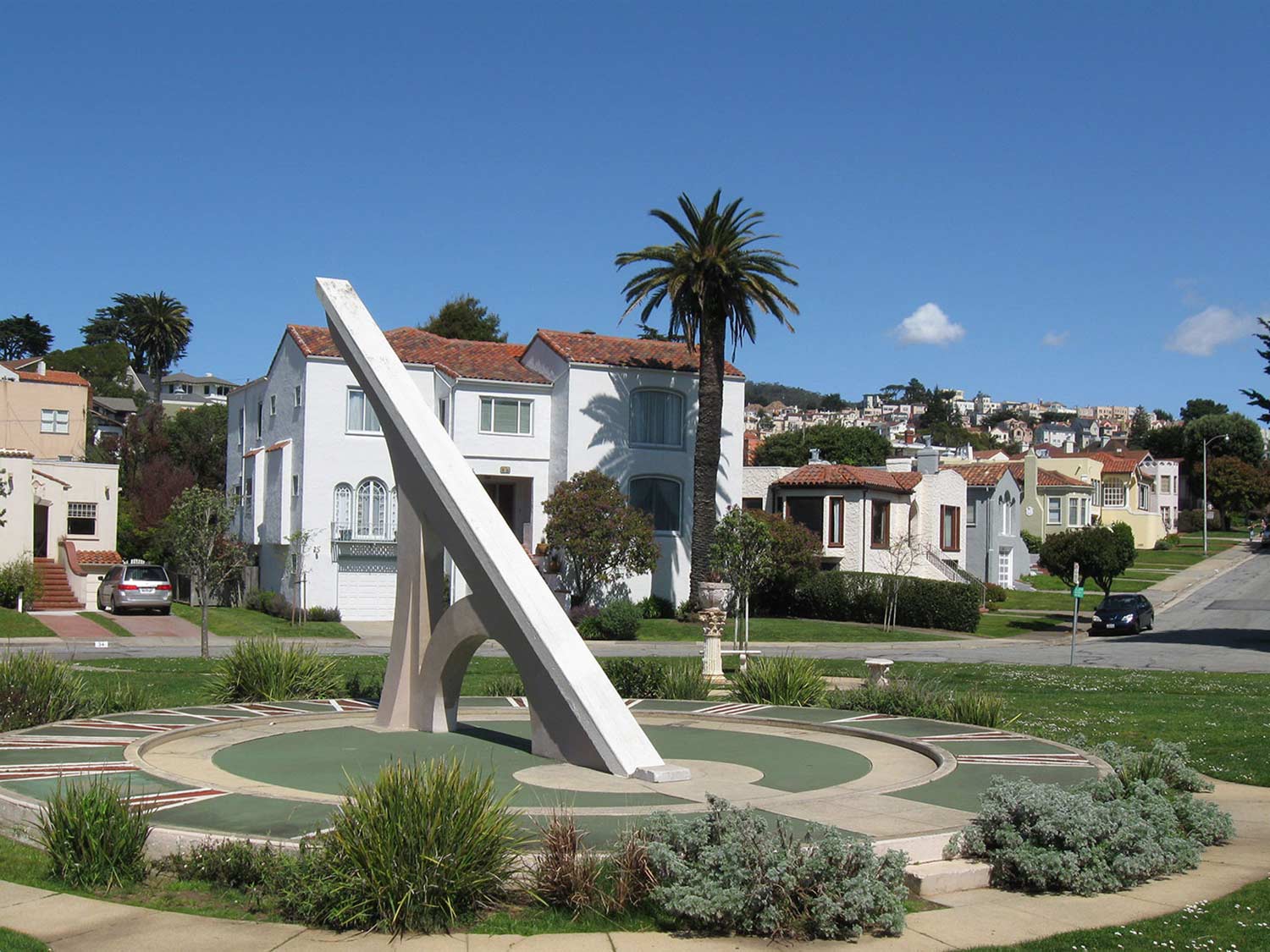
SF Heritage strongly advocated for the nomination prepared by Stacy Kozakavich, Barrett Reiter, Maggie Nicholson, and Samantha Purnell of Page & Turnbull, which clearly shows Ingleside Terraces is eligible for the National Register of Historic Places at the local level of significance under Criterion A in Community Planning and Development (for its association with development of streetcar suburbs after the 1906 earthquake and fire); and under Criterion C in the area of Architecture for its unique landscaping and homes designed by architects of merit Joseph Leonard, Harold Stoner, and others.
The nomination will be taken under consideration by the State Historical Resources Commission at its quarterly meeting on November 12–13 in Sacramento. That body will be responsible for the decision to send the nomination to the Keeper of the National Register for inclusion.
Learn more about how to submit a letter of support.
While originally put on the November agenda, a North Beach National Register historic district has once again been removed from consideration, purportedly due to a mailing snafu by the State Office of Historic Preservation. The next possible hearing of the long-delayed North Beach proposal will be in February 2027.

Talking Haas-Lilienthal House
SF Heritage museum featured on podcast
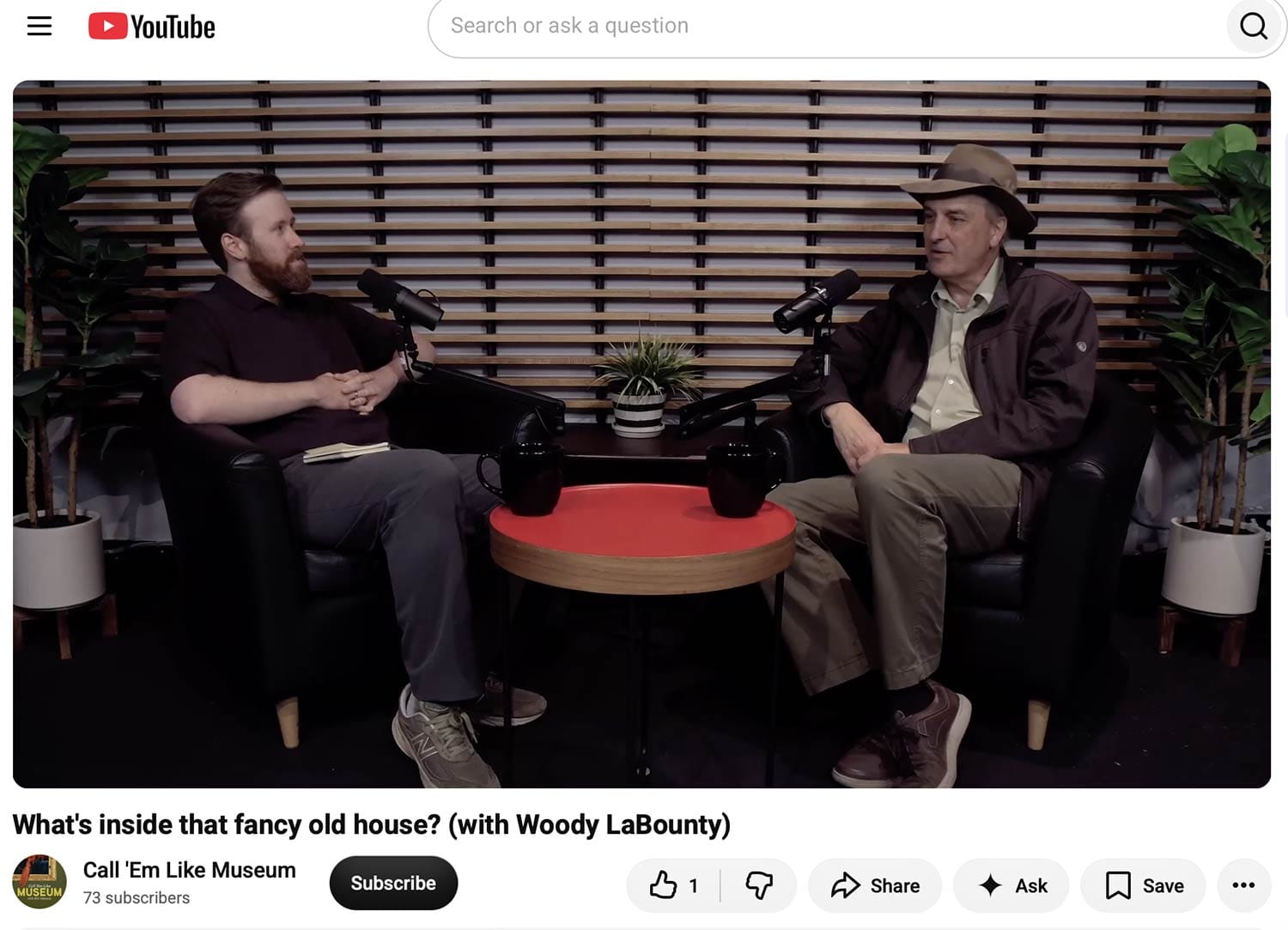
Above: Eric Johnson and SF Heritage president & CEO Woody LaBounty talking about the Haas-Lilienthal House on the Call ‘Em Like Museum podcast.
SF Heritage President & CEO Woody LaBounty was the guest last month on the “Call ‘Em Like Museum” podcast. Host Eric Johnson investigates what makes museums so special, and in this episode, what makes the Haas-Lilienthal House so special.
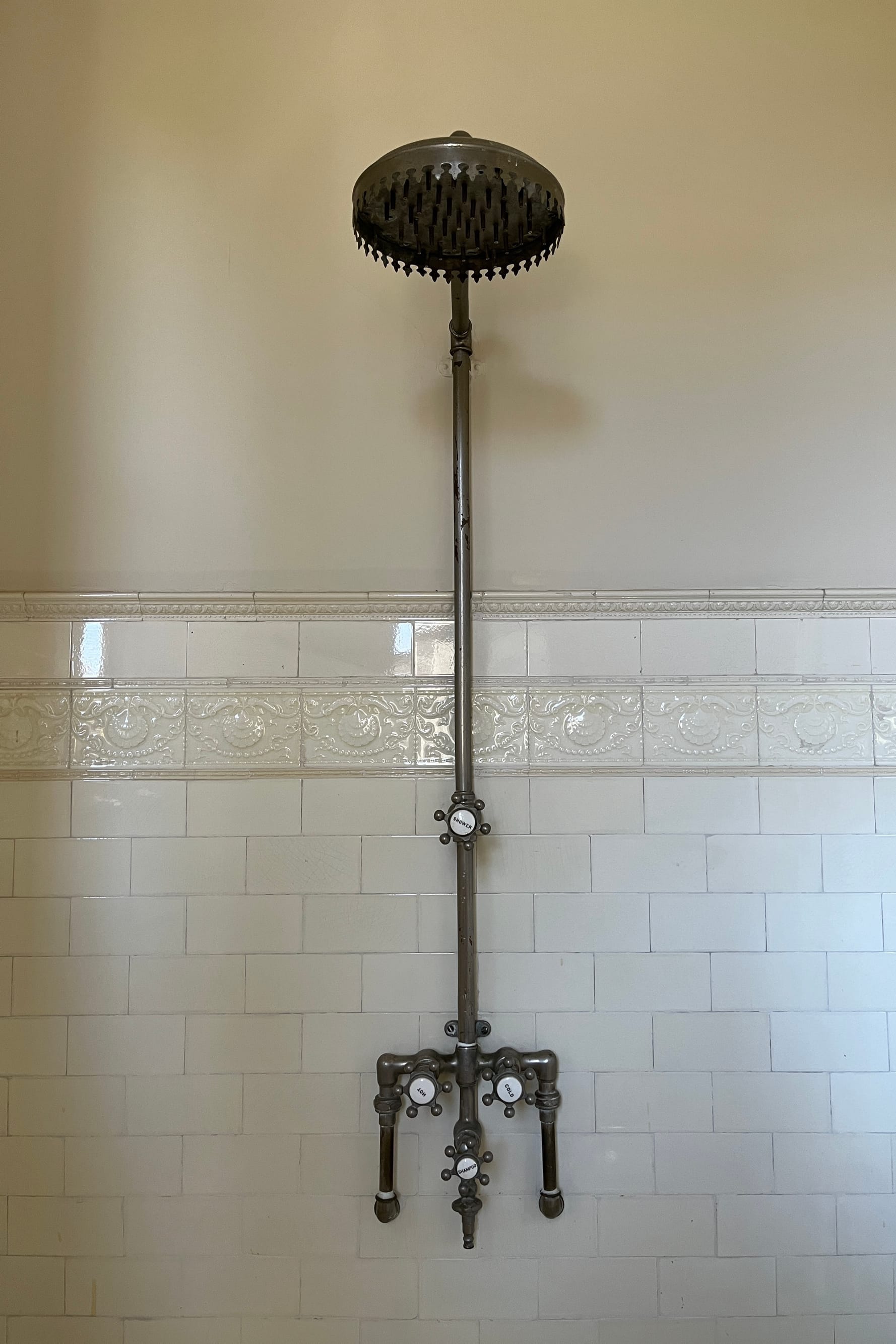
It’s a fun conversation; give it a listen to hear about some of Woody’s early museum memories growing up in San Francisco, and why he’s so enamored with the Haas-Lilienthal House’s bathrooms.
Listen through the podcast app of your choosing, or watch on YouTube.
Hope you are all enjoying Special City. It has been a fun month. See you next week for a Potrero Hill wrap-up and some big SF Heritage news.

Founded in 1971, San Francisco Heritage is a 501(c)(3) membership organization that preserves and enhances San Francisco’s unique architectural and cultural identity. Our programs and partnerships interpret, share, and celebrate the shared histories, landscapes, and communities of the city to instill optimism, belonging, and purpose.

Member discussion