Potrero Hill as Refuge and Home
Our special Heritage-in-the-Neighborhoods month continues with:
- Weirdness not to miss at the Haas-Lilienthal House
- Autumnal Tea and R&B
- How Potrero Hill became a new home for many after the 1906 earthquake
- A hill-centric photo mystery for our paid members

Enter the House of Weird (The haunts starts Friday!)
Don’t miss your chance to get tickets for the House of Weird at the Haas-Lilienthal House. This spooky-season transformation of our historic Victorian starts this Friday, October 16, and runs on select days through Halloween.
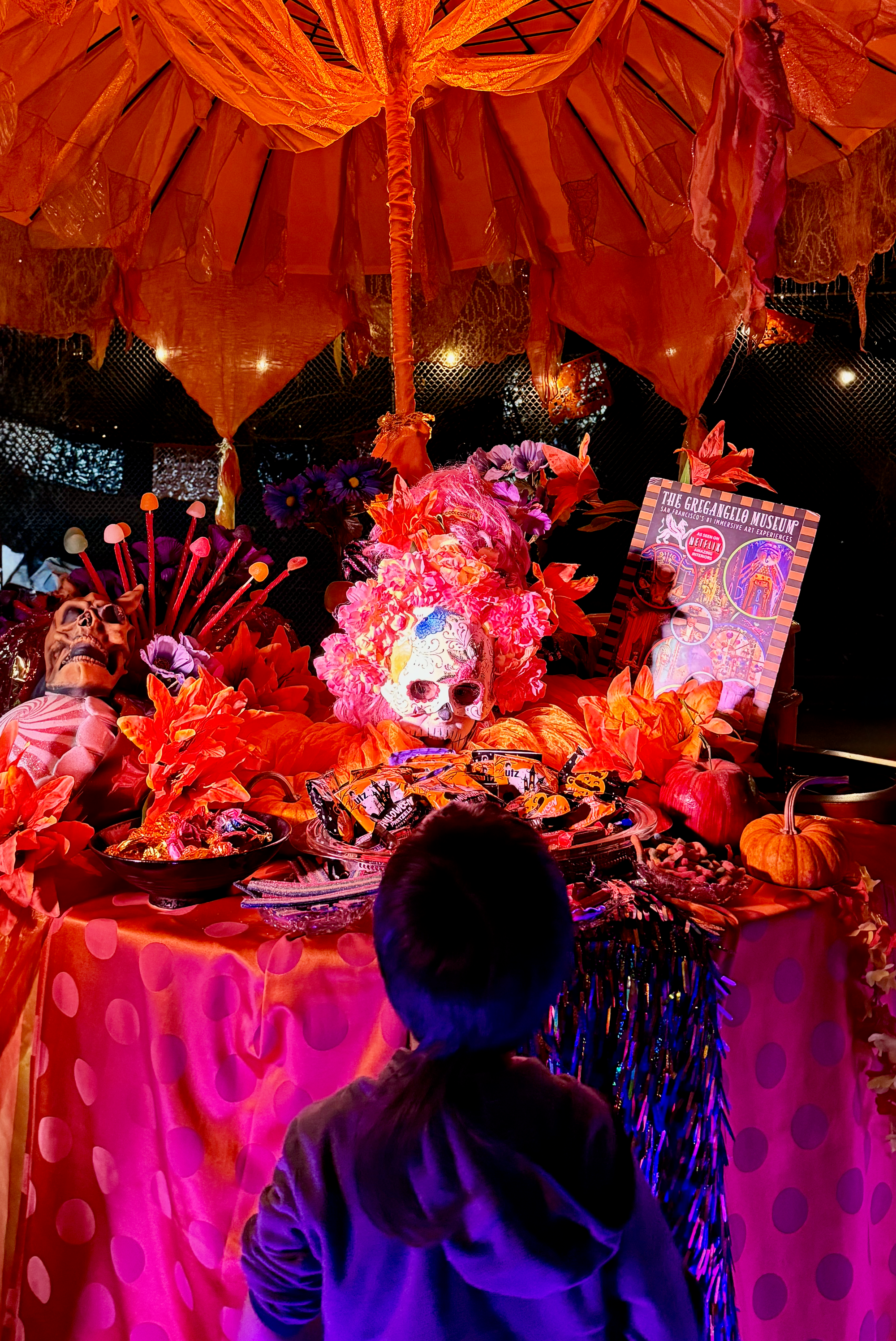
Sip magical elixirs in the Spirit Ballroom, get a tarot reading to see your future, and then ascend through the secret chambers and dark corridors of the mansion to get up close and personal with the bizarre and the beautiful.
Autumnal Tea this Sunday
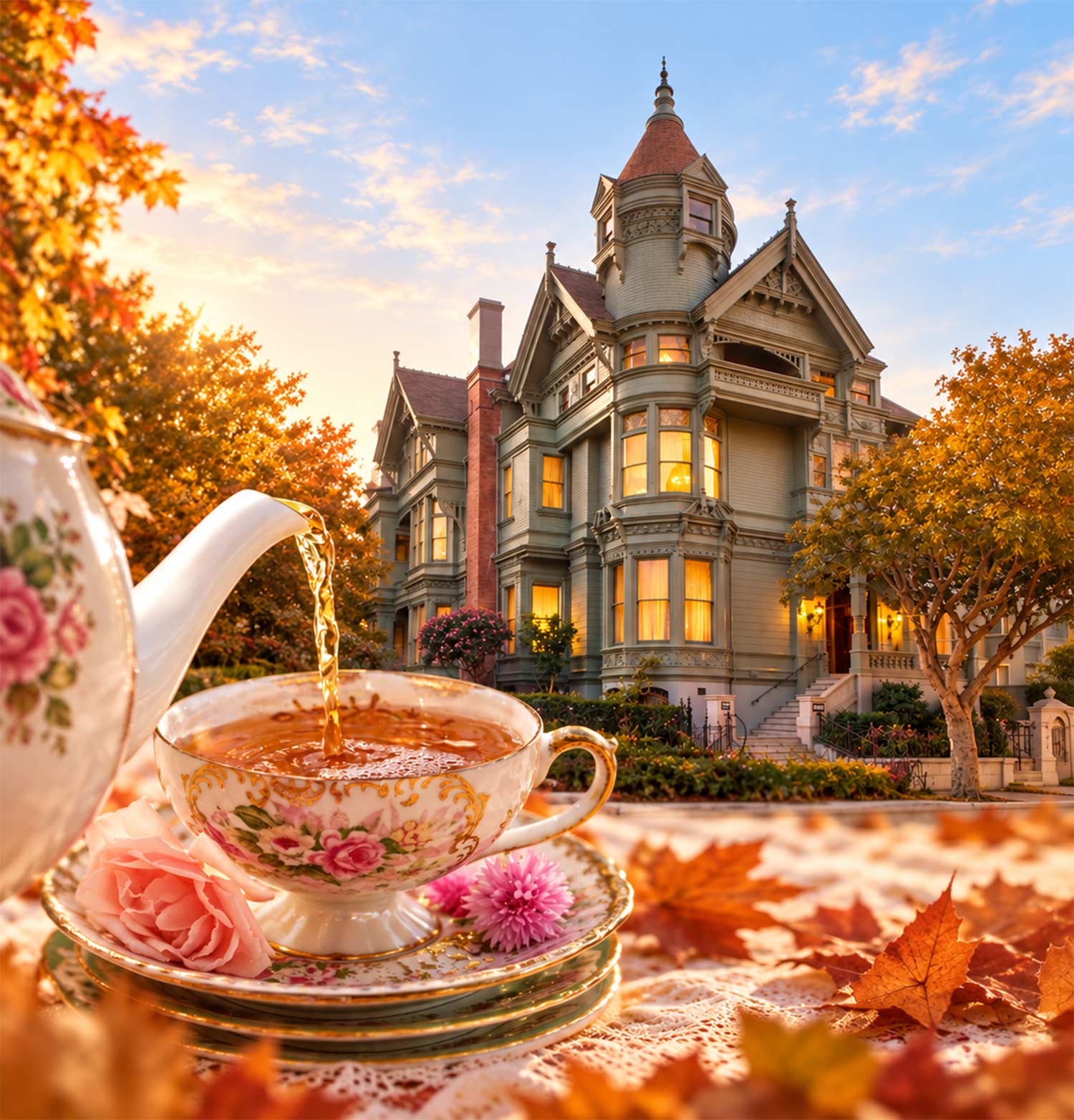
There are a few spots left at our afternoon tea this Sunday, October 18 at 11:00 am. Enjoy seasonal treats and beverages (and tea, of course), courtesy of Crown & Crumpet—all in an exclusive and intimate setting: the Haas-Lilienthal House’s Victorian dining room. Grab your tickets here.
Potrero Hill R&B Festival is this weekend!
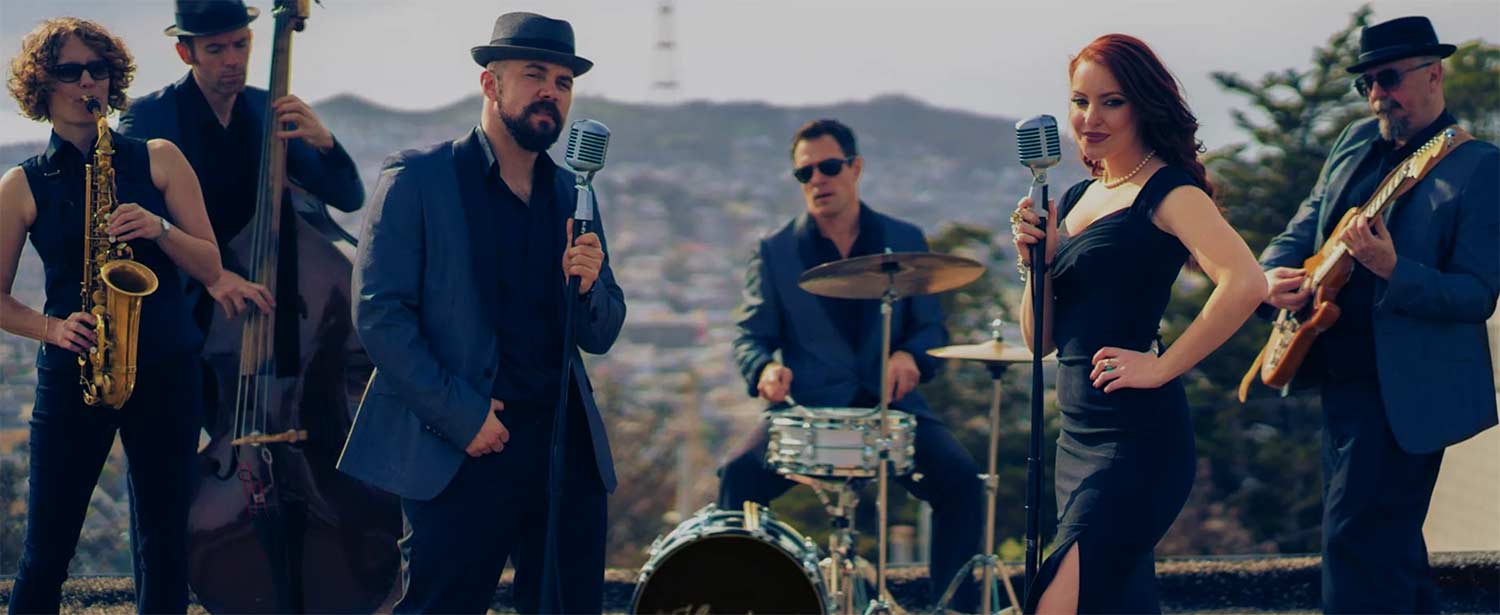
Do some exploring of Potrero Hill, our Heritage-in-the Neighborhoods focus for all of October, and soak-up some vibes at the Potrero Hill R&B Festival this Saturday, October 17 from 10:00 am- 5:00 pm. The fest covers four blocks along 20th Street. Be sure to find neighborhood historian Peter Linenthal at his booth and ask about the brand new Pier 70 Time Machine museum.
There is still space on our exclusive tour of the Pier 70 Time Machine museum with Potrero Hill historian Peter Linenthal. The tour will be on Sunday, November 1, at 4:00 pm and is for Landmark Club members only. Please limit your RSVP to you and one guest!

Shaking the Hill Up
Potrero Hill as a New Home post-1906
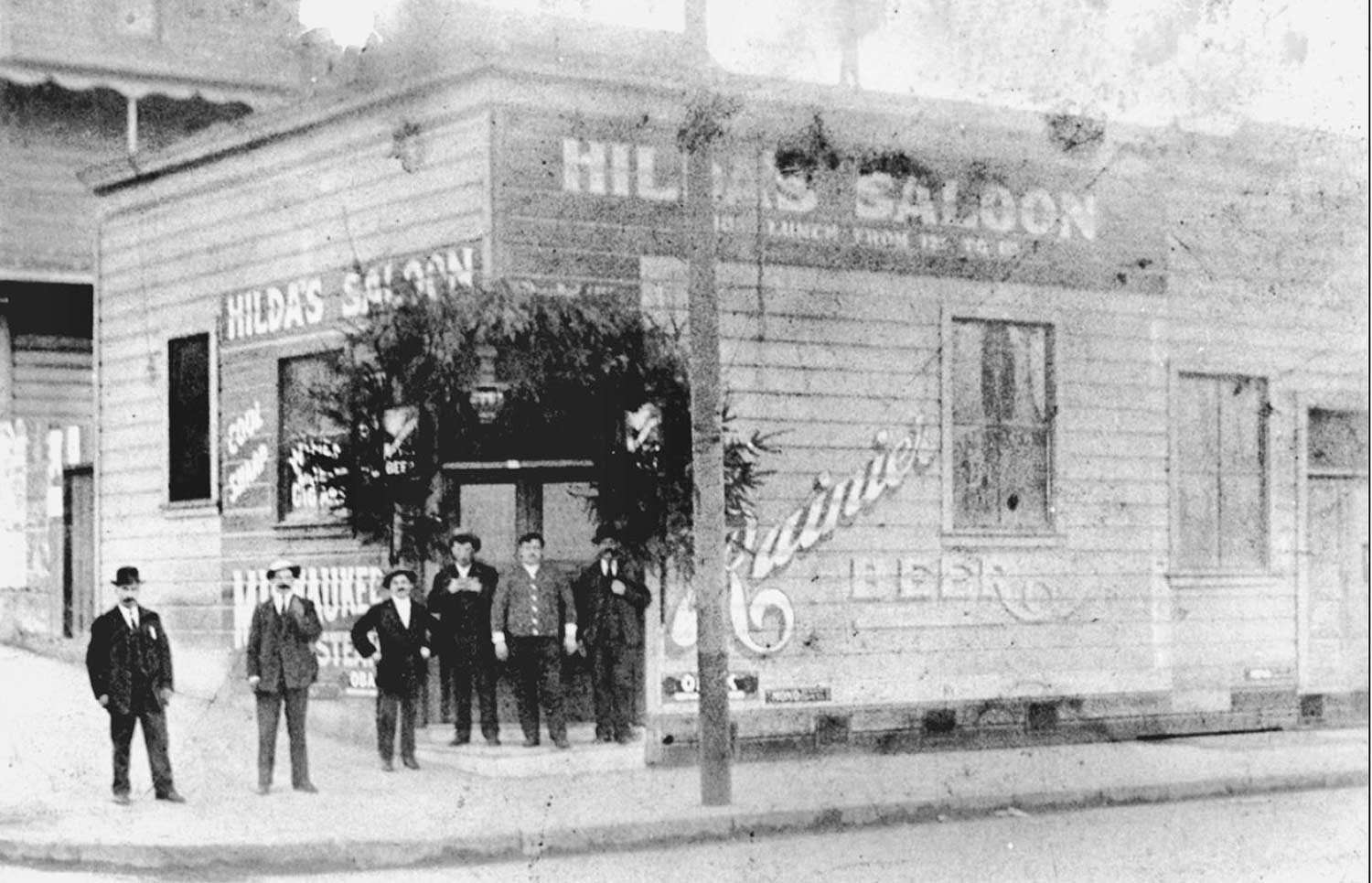
Above: Hilda’s Saloon at 17th and Connecticut Streets, today the Connecticut Yankee, was built by the Salvotti family the year after the 1906 earthquake. (“San Francisco’s Potrero Hill” by Peter Linenthal & Abigail Johnston)
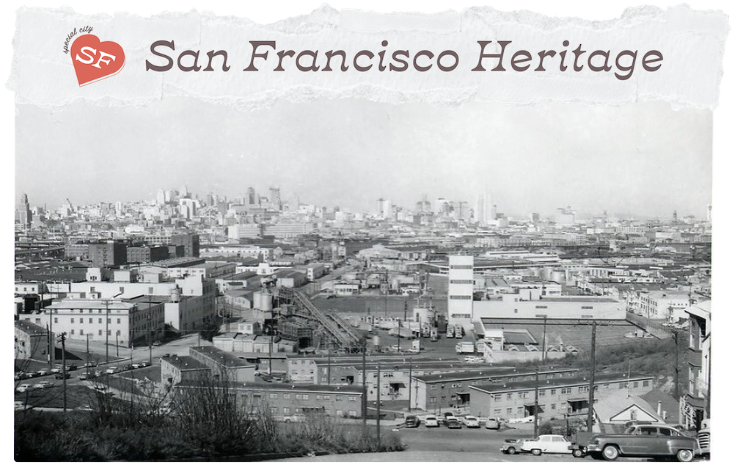
In the 19th century, many who worked in shipyards, factories, and processing plants along San Francisco’s Central Waterfront made their homes near and on Potrero Hill.
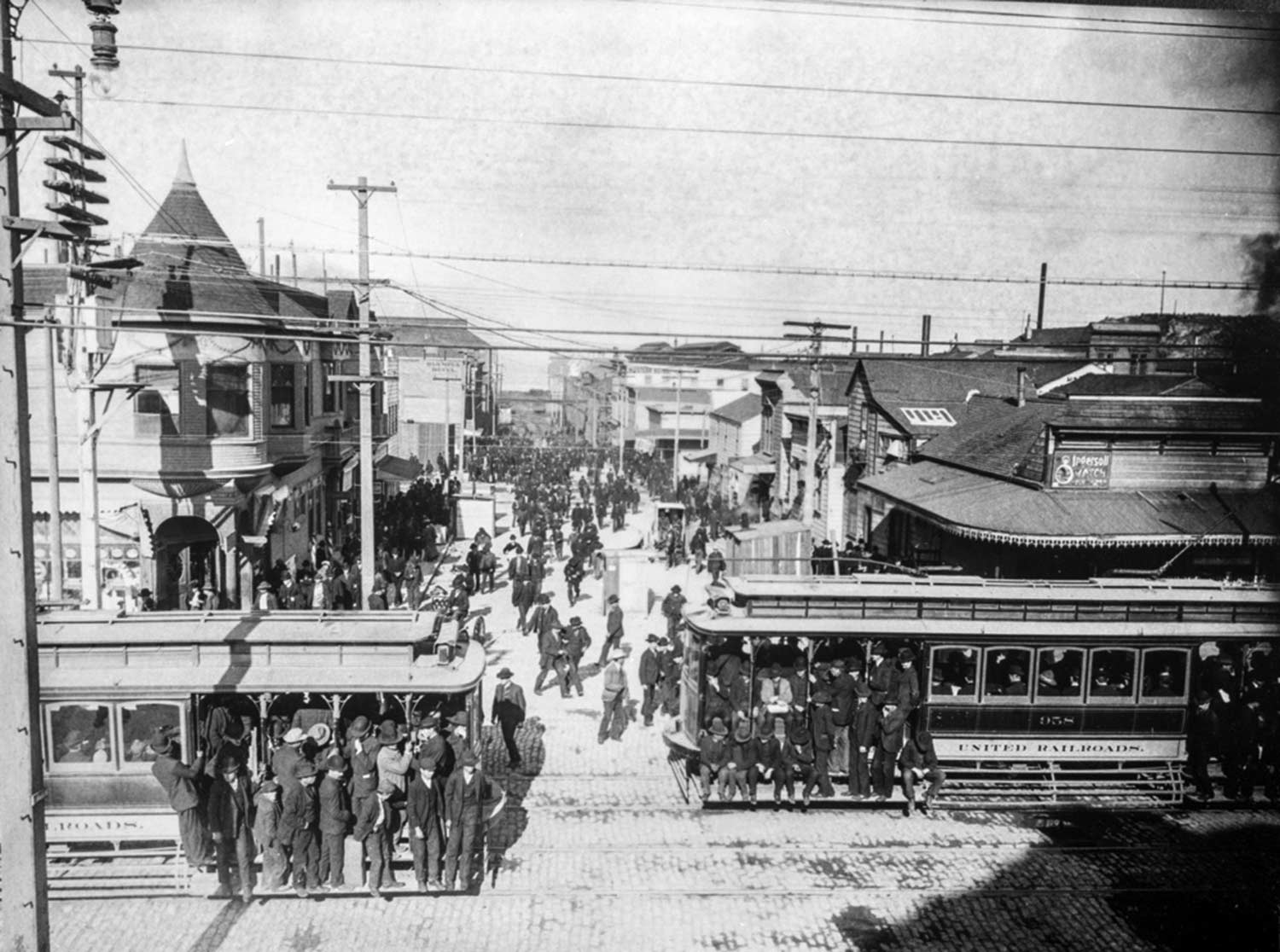
The single Irish-, German-, and American-born laboring men at Union Iron Works, the Potrero Gas Works, Tubbs Cordage, the California Sugar Refinery, and Arctic Oil Works could board at rooming houses along 3rd Street and in the Dogpatch neighborhood, while most families lived in one- and two-story cottages and flat-buildings on the hill.
After a great earthquake hit the Bay Area on the morning of April 18, 1906, fires started in different neighborhoods of San Francisco and combined into a maelstrom that consumed the core of the city. For residents of Potrero Hill, the progress of the fire was frighteningly evident:
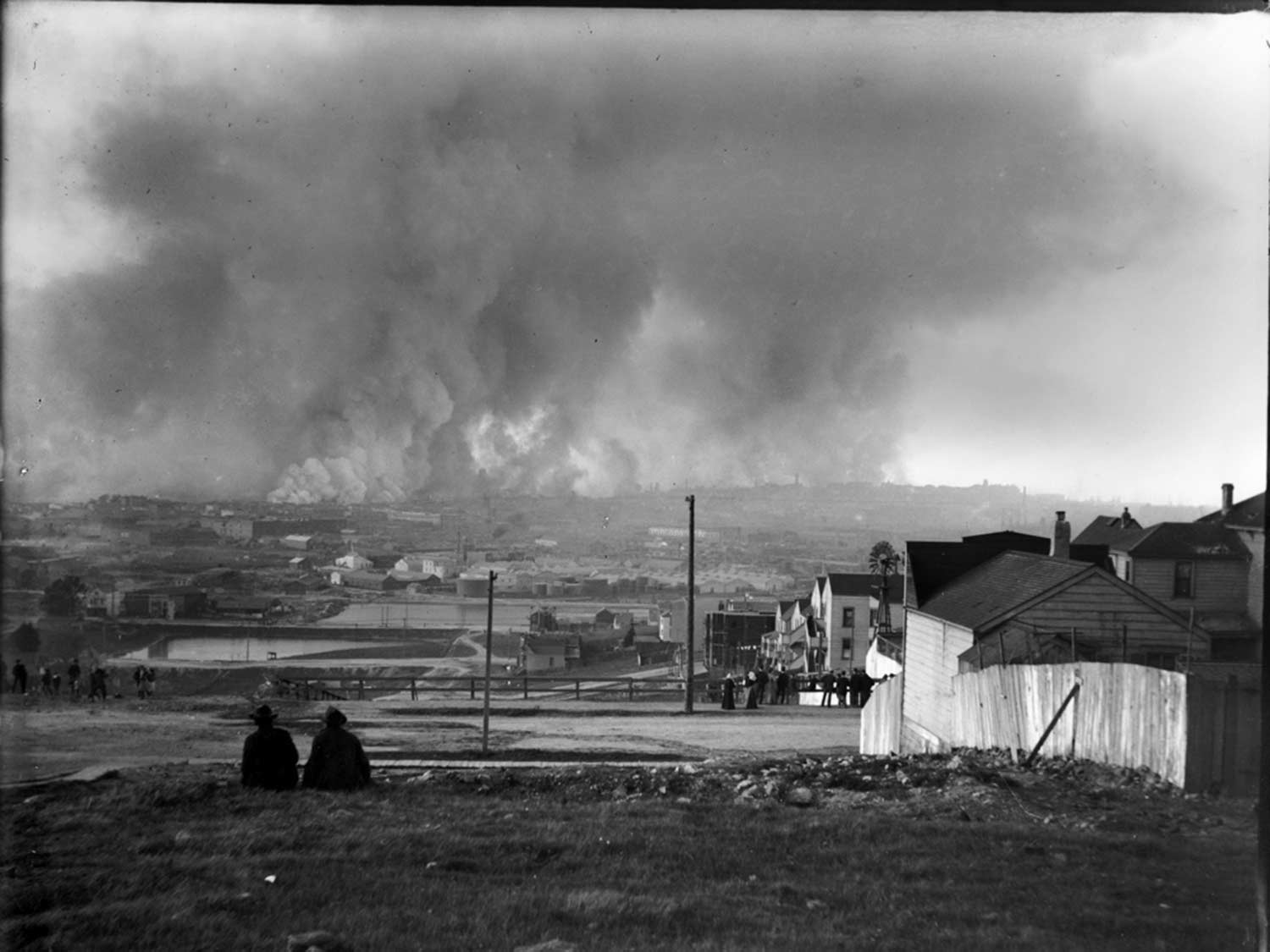
Potrero Hill was spared when the conflagration was halted at 20th Street in the Mission District, but the massive dislocation and waves of workers arriving to rebuild the city shook up the hill as much as the April 18th temblor.
In the immediate aftermath of the disaster, a refugee tent camp was established between 19th and 22nd streets in Dogpatch for those burned out of other neighborhoods. Many of these refugees worked at the nearby waterfront industries and a “cottage camp” was established at 20th Street and Pennsylvania Avenue later in the year.
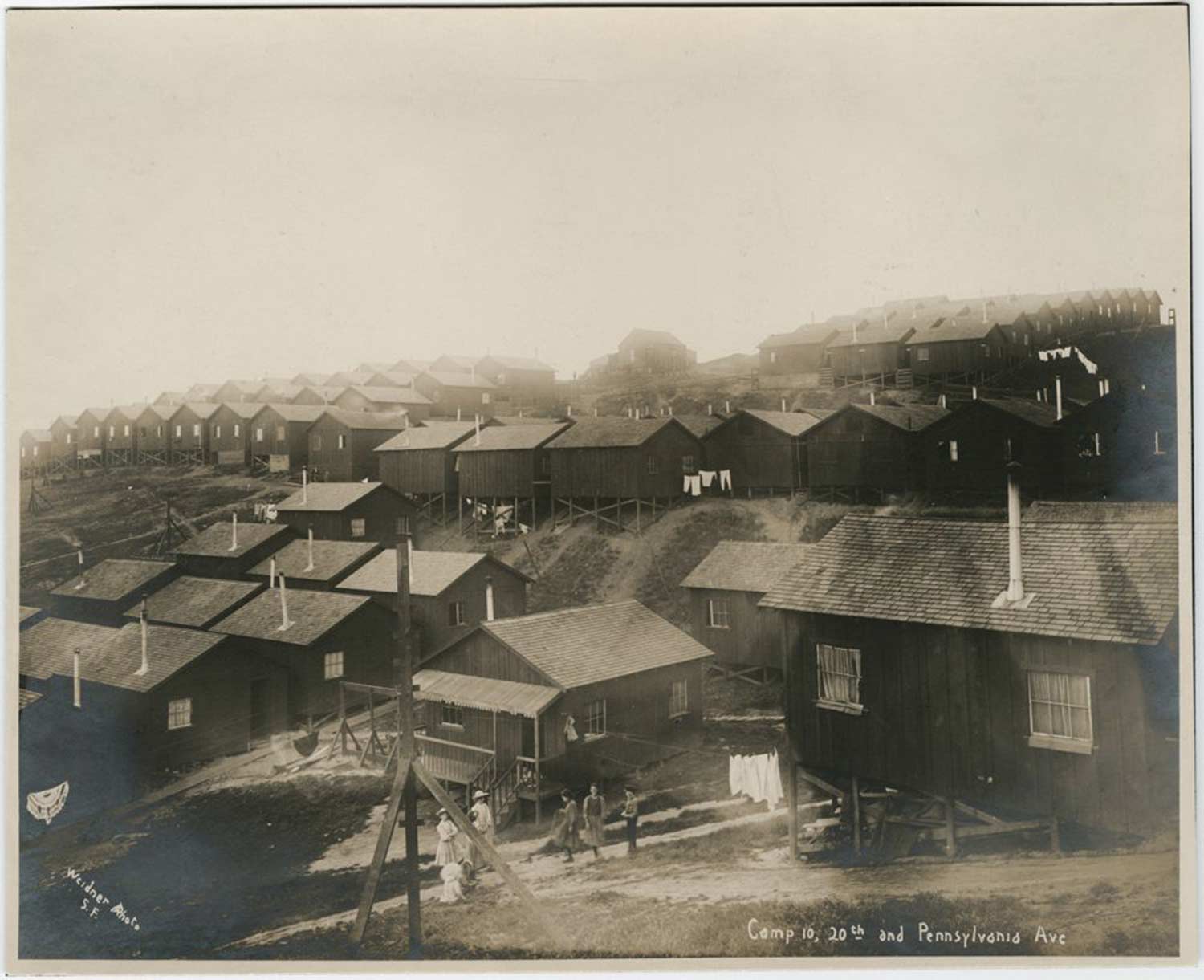
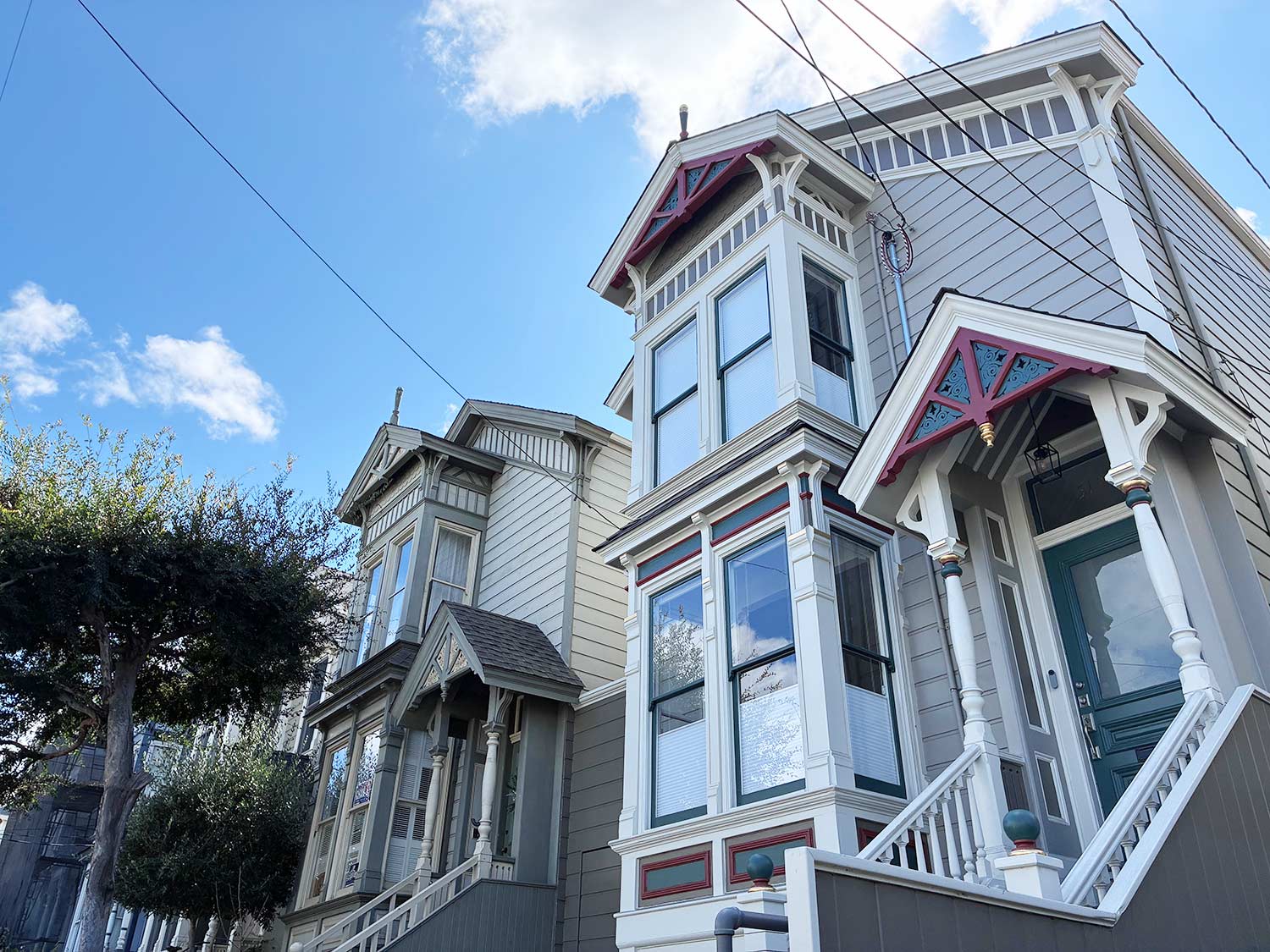
When the camp closed, “refugee shacks” were relocated and combined on empty Potrero Hill lots. Some, modified, still stand today.
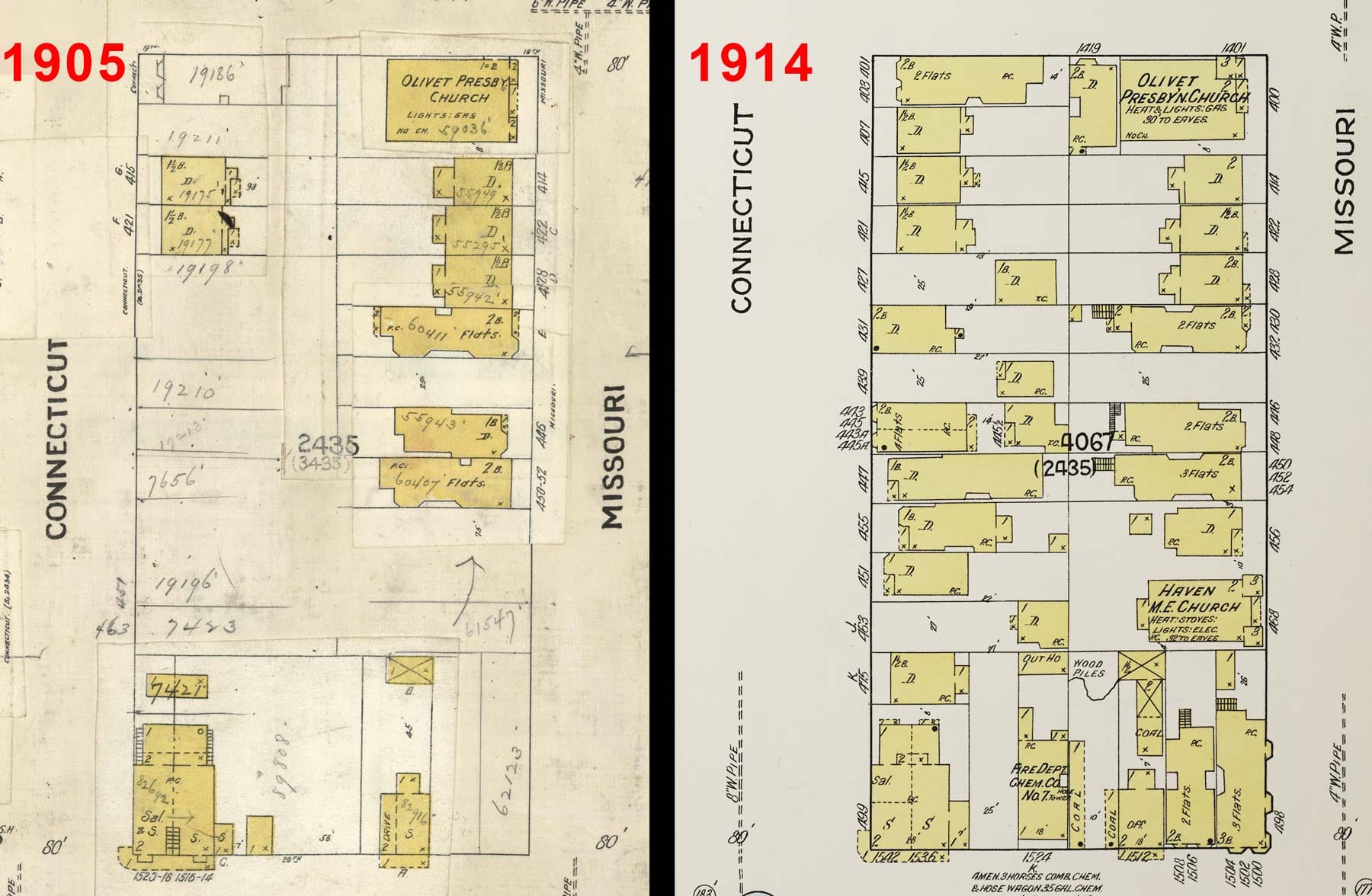
More conventional buildings sprouted up over Potrero Hill in the years after the earthquake and fire. In 1905, the hill had 400 residential buildings between Vermont, Iowa (today’s I-280 freeway), Mariposa, and 22nd streets. By 1914, that number had more than doubled to 941.
Potrero Hill was one of the most ethnically diverse populations in the city at the time of the earthquake. After the disaster, men and women burned out from Greek, Slovenian, Italian, and Scandinavian enclaves in the South of Market, North Beach, and Mission District neighborhoods added to the mix of Irish, Scottish, Polish, Swedish, and American-born living on the hill.
A New Home
Refugees from the disaster weren’t the only newcomers to arrive on Potrero Hill in 1906. That year, Eastern Slavic religious dissidents from villages near the Russian/Turkish border completed a more than two-year journey and started new lives in the neighborhood.
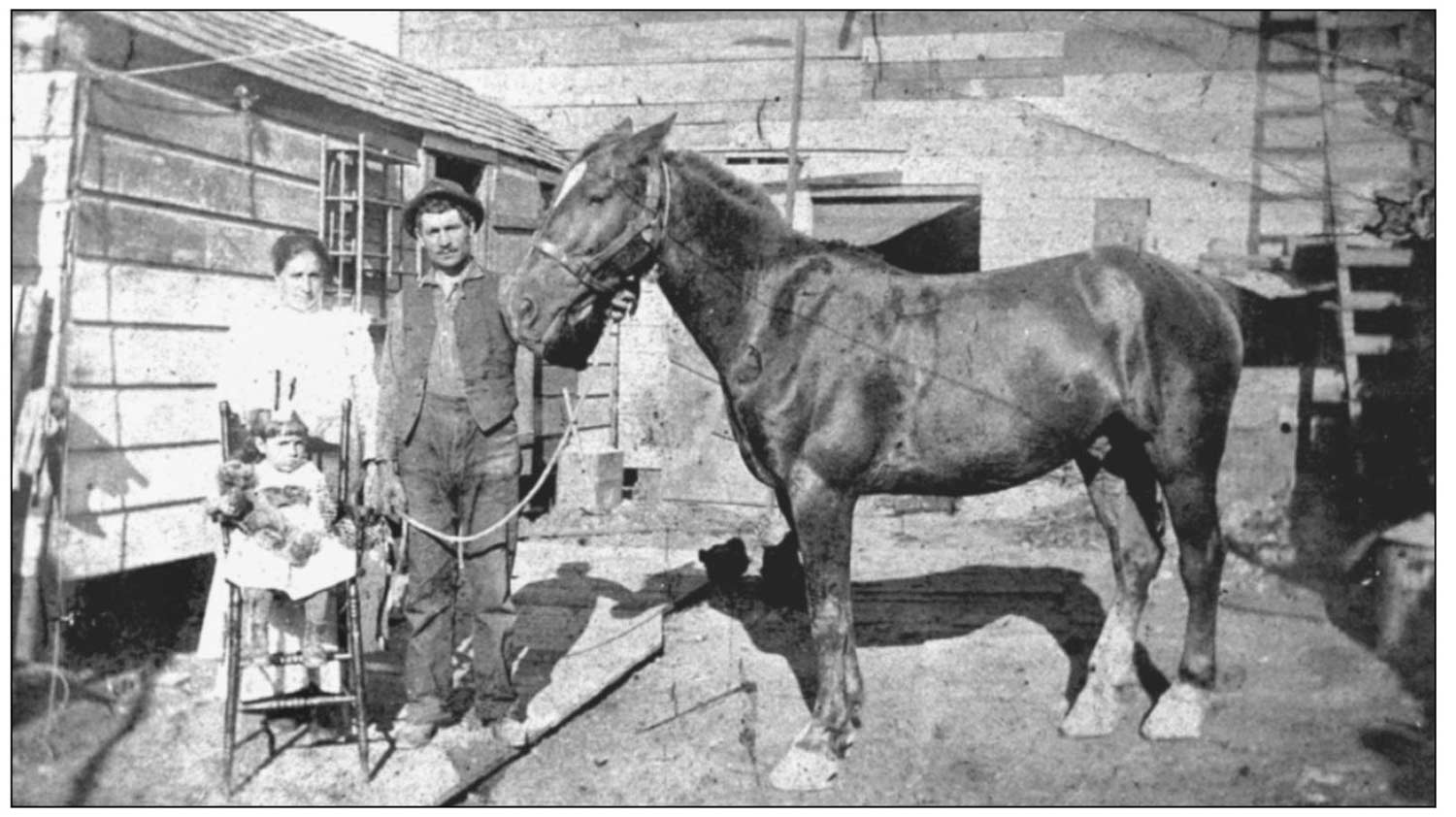
Multiple “Spiritual Christians” sects had split from the Russian Orthodox Church on different and various tenets, but acceptance of dairy consumption on religious fast days was the source of “Molokans” (milk-drinkers), a catch-all name given to nonconformists by mainstream adherents of the faith.
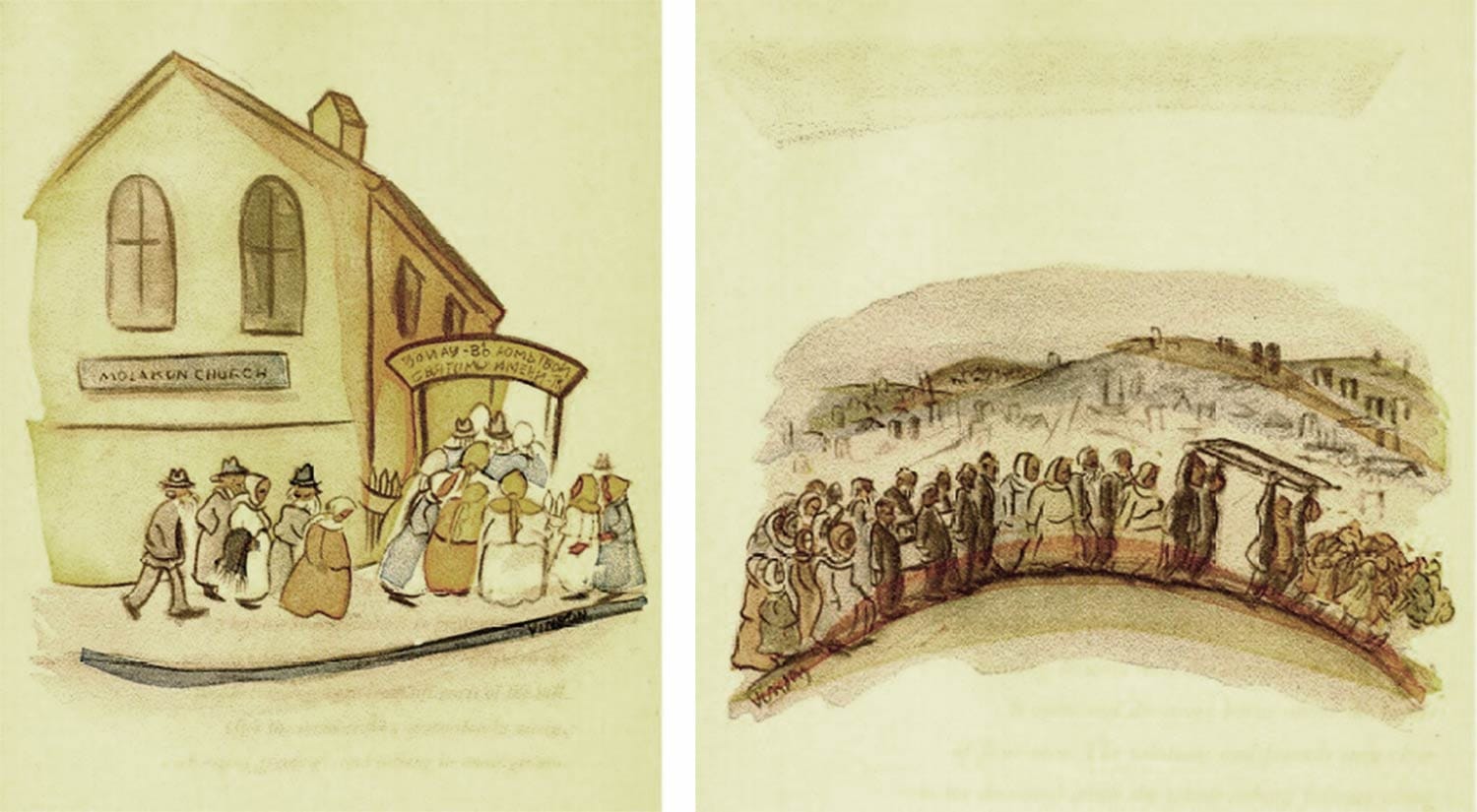
In North America, Molokan became an accepted and even adopted name for the few thousand emigrants who had escaped persecution and discrimination in Czarist Russia for religious freedom. Potrero Hill became an epicenter of this community in the United States.
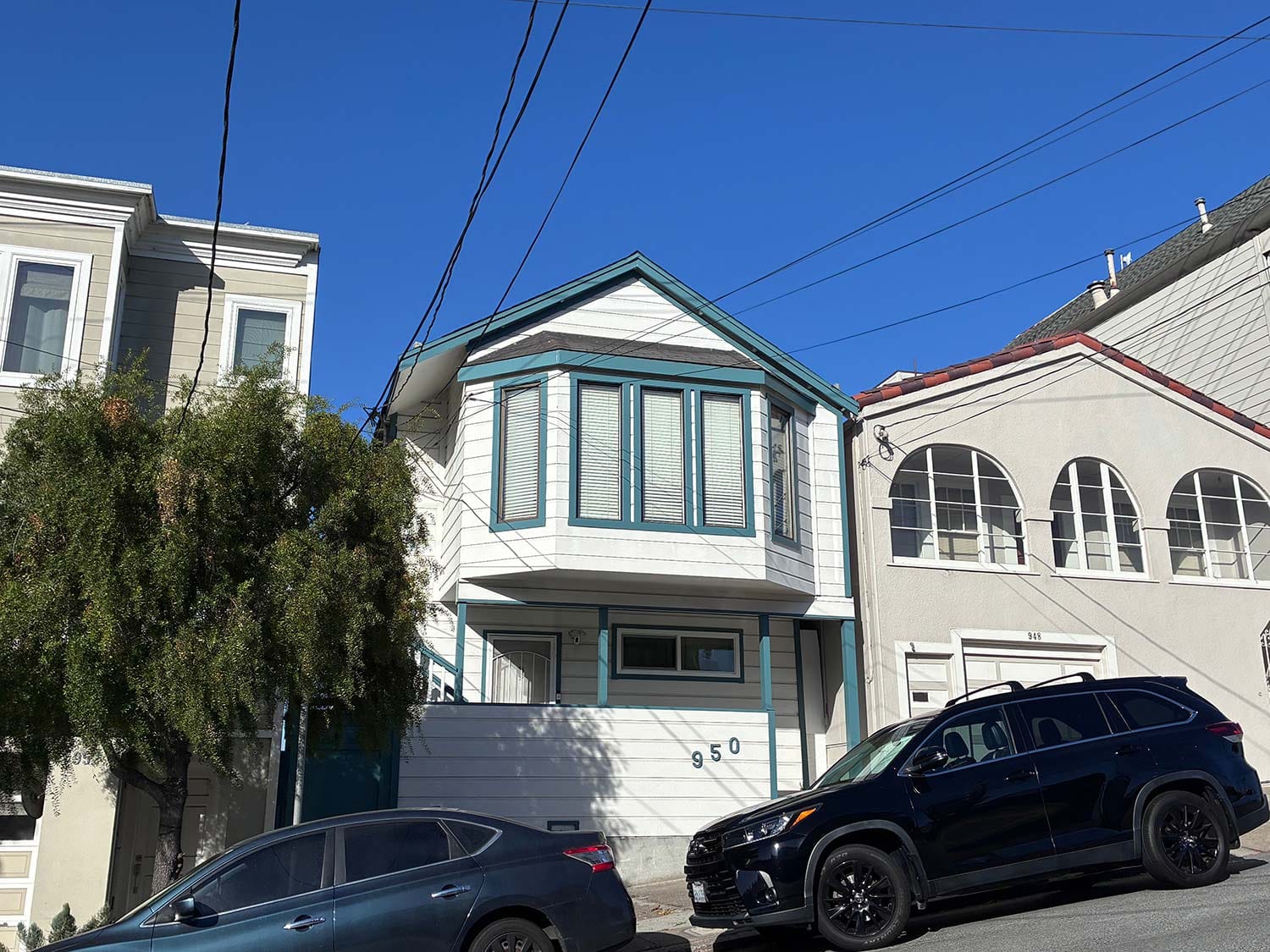
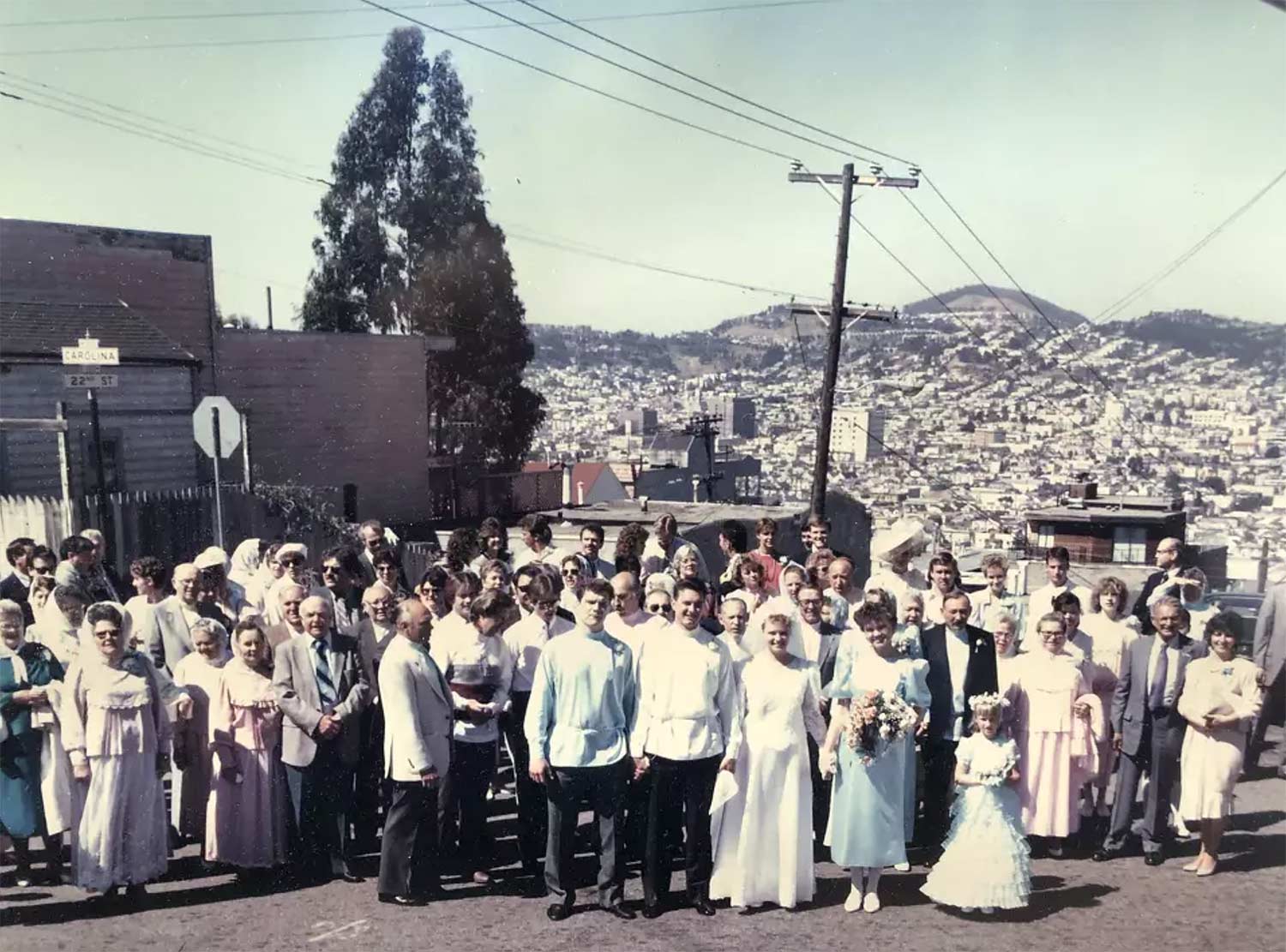
Before decades of slow assimilation and dispersion, the Molokans of Potrero Hill were a tight-knit group united by faith and language. In the words of San Francisco Chronicle columnist Carl Nolte, their community at the top of the hill was “almost an island on an island.”
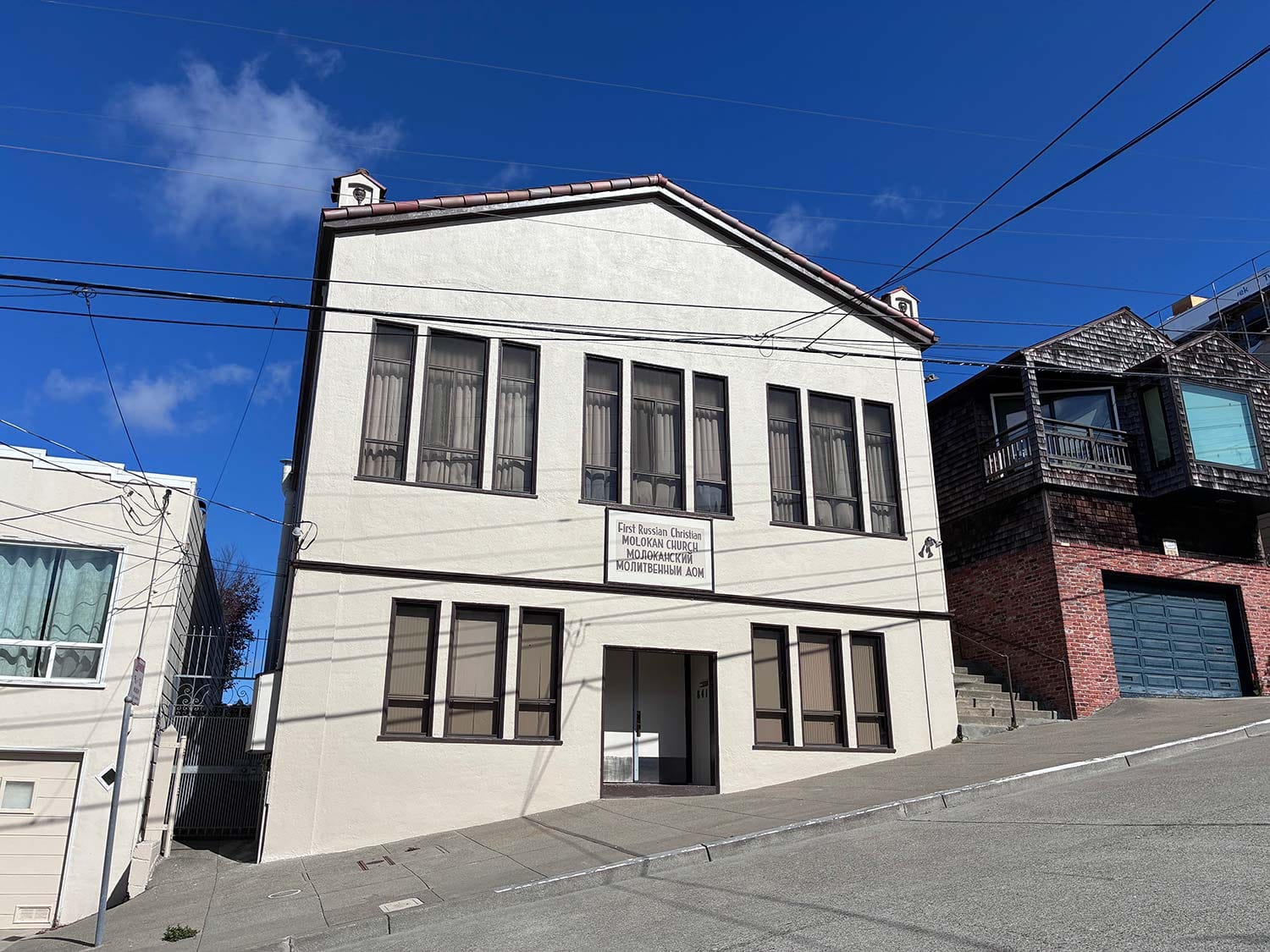
The First Russian Christian Molokan Church (constructed 1932) still hosts services at 841 Carolina Street and should be considered a historic resource for its important association with this community in the city.
The Molokan community also influenced the construction of perhaps Potrero Hill’s most cherished and architecturally significant neighborhood-serving building. We will take a closer look next week!
Remember that we are posting fun Potrero Hill content all month on our socials. Be sure you are following us on Instagram and Facebook. #SFHPotreroMonth

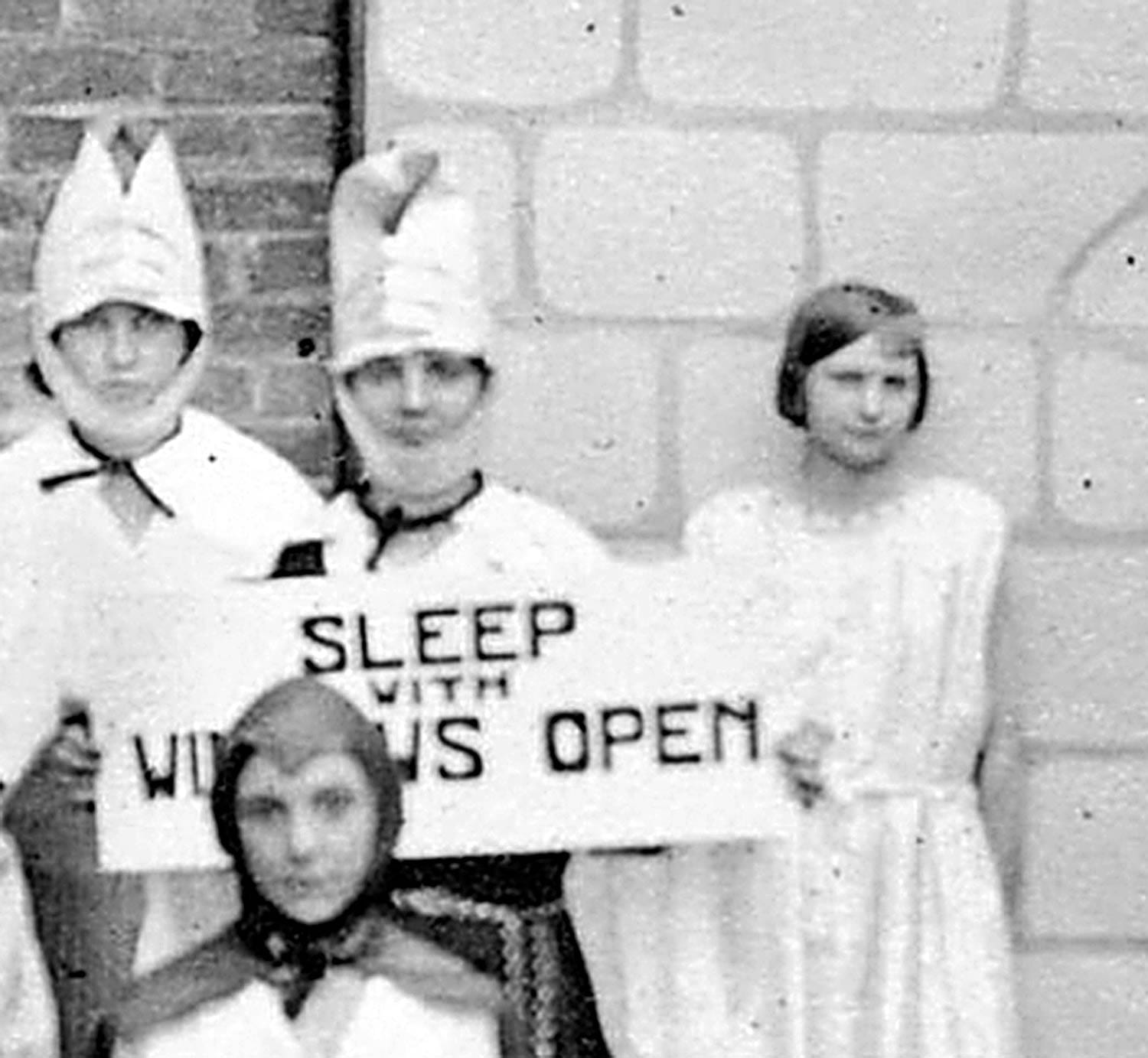
What's Going on?
Strange Sign of the Times
Every month we play a Special City game called “Where Am I?” in which we show a San Francisco location and our Local Hero and Landmark Club members get to learn the answer. Today we unveil a new challenge: “What’s Going on?”
Do you have any idea what this group of oddly attired children are up to with their sign?
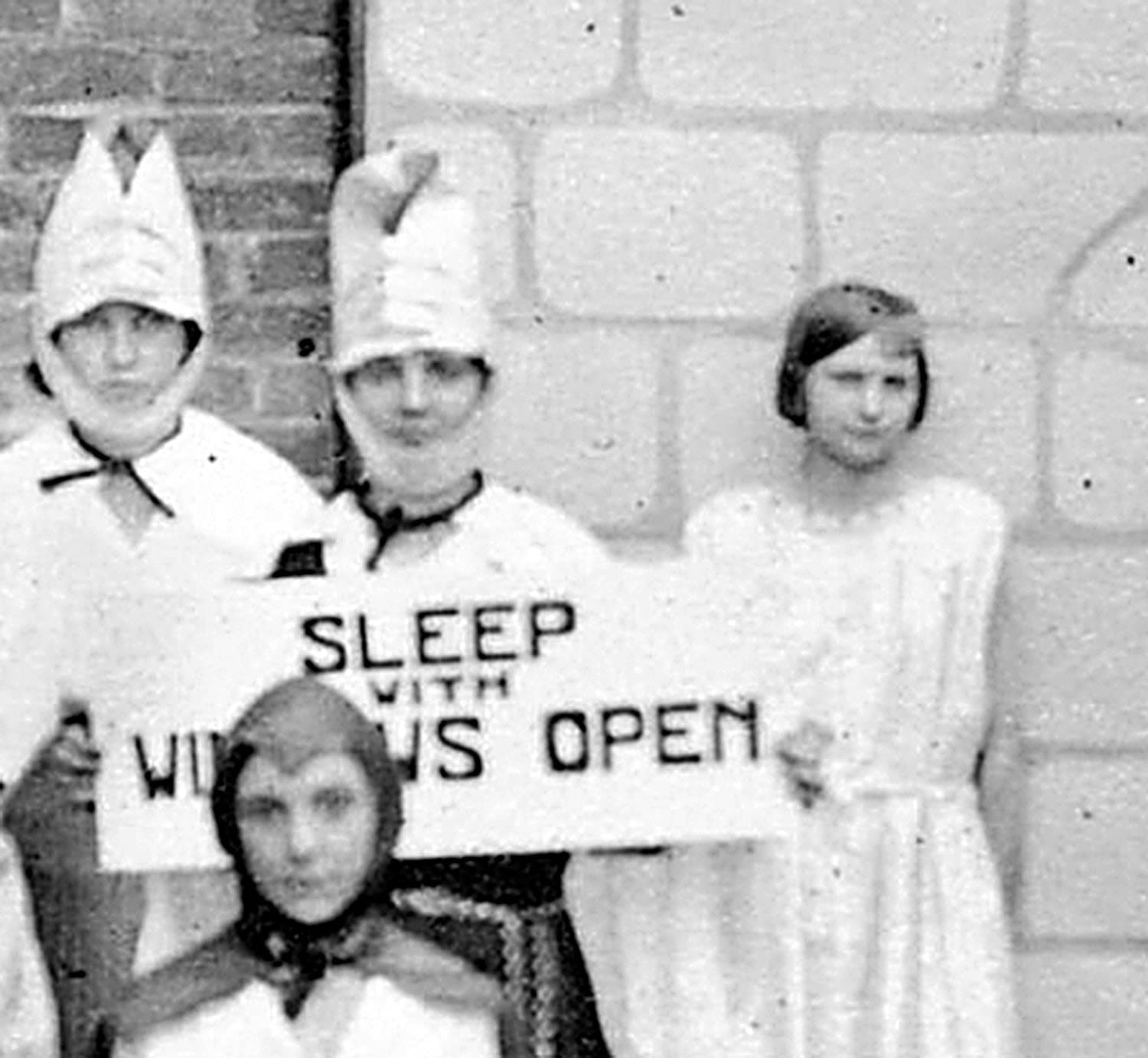
The answer and full photo is available to Local Hero and Landmark Club members of Special City below. 👇
Perhaps curiosity will inspire the rest of you to do that thing we know you have all meant to do for months: upgrade to a Special City supporter level!
Sign up or upgrade your account here.