Potrero Hill: Island and Pasture

What is inside? Well, it is Potrero Hill Heritage in the Neighborhoods month, so...
- Potrero Hill’s water-and-grass 19th century history and a trio of stand-out homes from the 1860s
- Save the date for the best neighborhood festival on Potrero Hill
- A Potrero-centric where-am-I reveal for our Local Hero and Landmark Club members
- Plus some fun stuff to do in other parts of the city.

Heritage Happy Hour tomorrow!
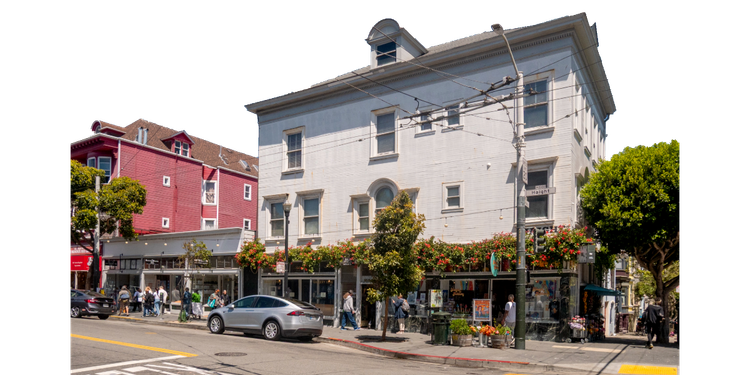
A reminder to join us tomorrow, October 8, from 5-7 pm, for our Heritage Happy Hour at Murio’s Trophy Room (1811 Haight Street) in the Haight-Ashbury!
More info here on this event, a convivial no-host gathering celebrating legacy businesses.
Visit historic homes with the Victorian Alliance
Our friends at The Victorian Alliance of San Francisco invite you to explore the historic West Mission and Liberty Hill neighborhood during their 2026 Historic House Tour on Sunday, October 18, 2026. This is a rare chance to see privately owned homes not normally open to the public.
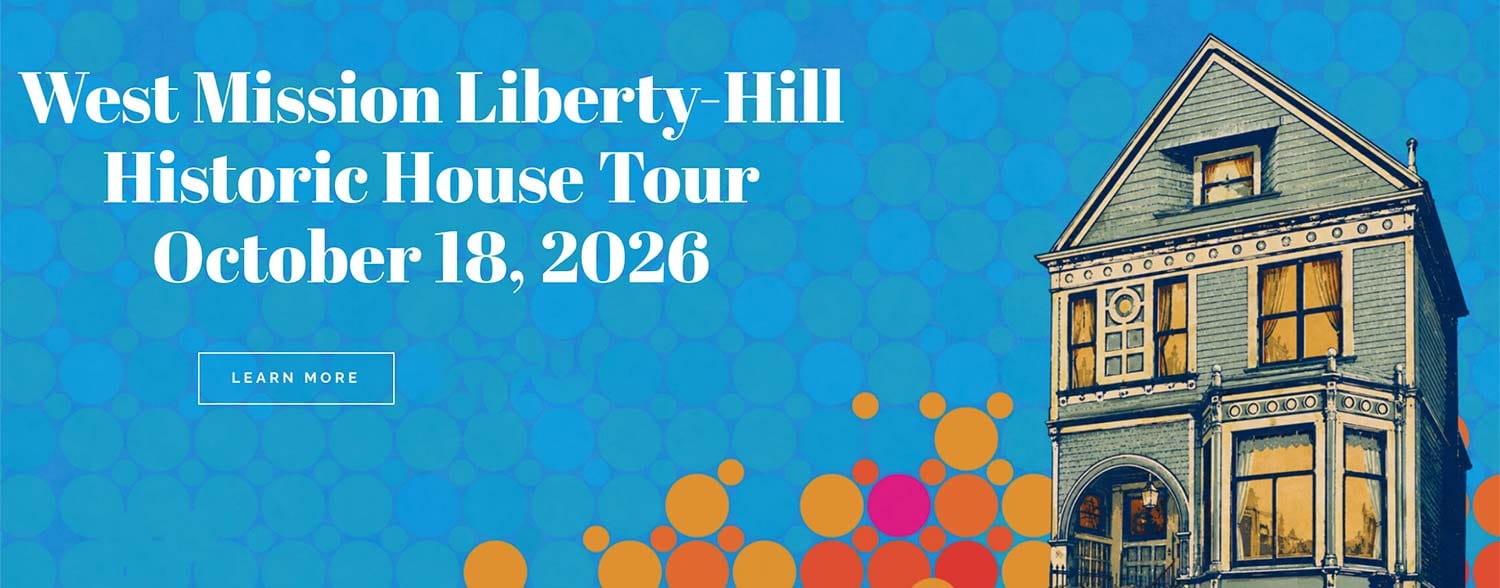
Situated roughly between 20th and 24th, Dolores and Valencia streets, Liberty Hill contains some of San Francisco’s most distinctive Victorian and Edwardian streetscapes. The self-guided walking tour runs 1 pm to 5 pm and lets you visit all the homes at your own pace. Victorian Alliance docents will be on-site to share the architectural details, history, and evolution of each property.

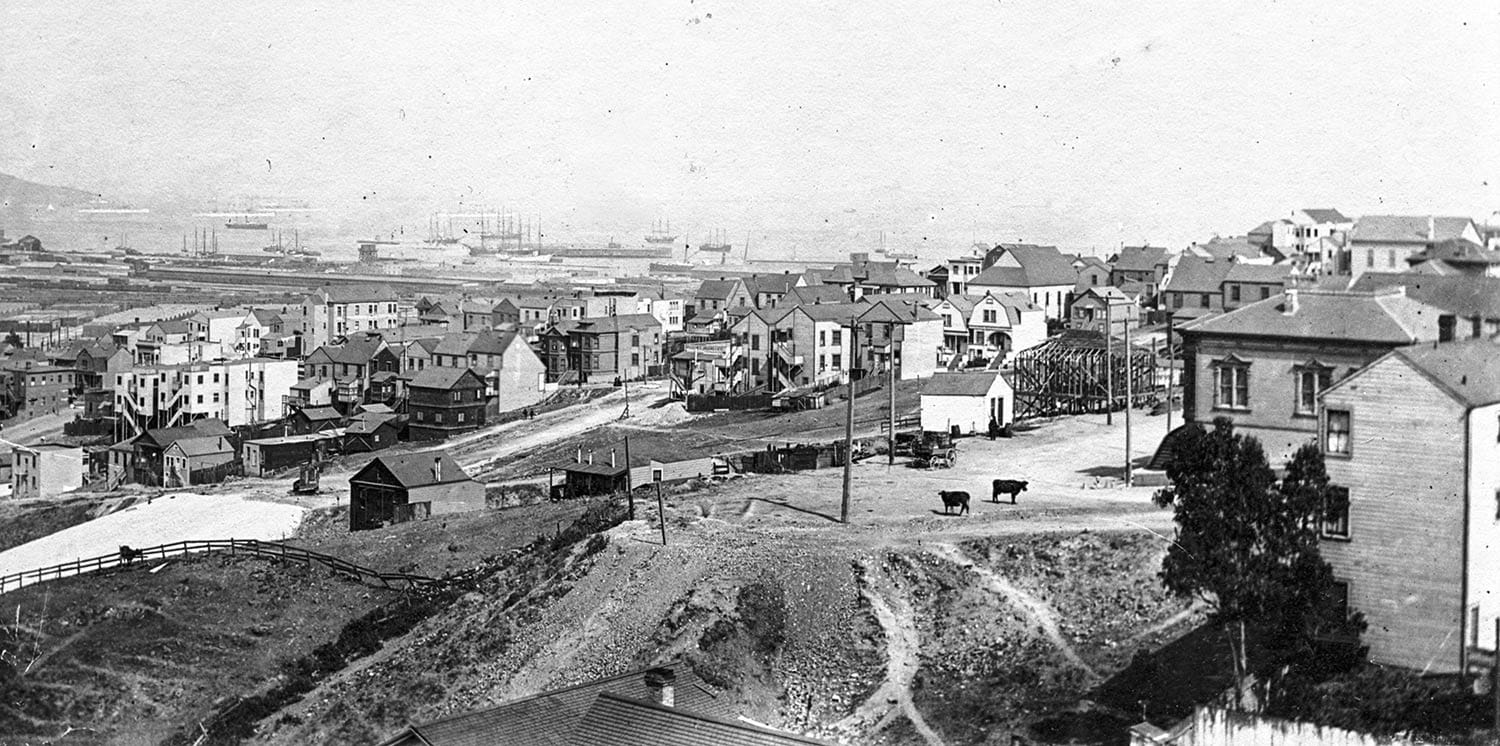
Island and Pasture
Potrero Hill’s Early Days and Some Keystone Houses

We will be doing a special tour of the Pier 70 Time Machine, the new Potrero Hill and Dogpatch history museum located in the restored Building 15 at Pier 70, with Peter Linenthal of the Potrero Hill Archives Project on Sunday, November 1 at 4pm.
This event is only for Landmark Club members (thank you to those that already signed up)! We opened registration for them last week, but there are still a few spots left.
If you want to get in on the fun then upgrade your account now and send an email to csellin@sfheritage.org to RSVP (limit two people per RSVP).
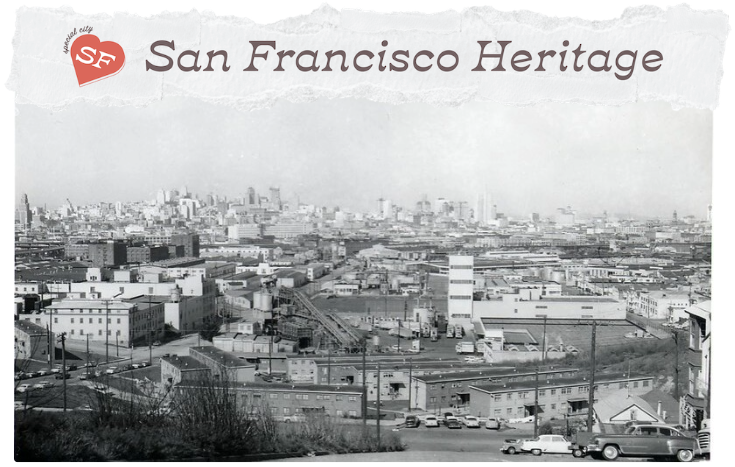
A 1955 analysis of Potrero Hill by the San Francisco Planning Department noted the neighborhood’s “somewhat isolated” character:
“It is surrounded on three sides by industry and, since 1952, on the fourth side by the Bayshore Freeway [Highway 101].”
Potrero Hill must have only seemed more cut off from its surroundings with the 1960s addition of Highway 280 on its east side, but the 1955 report saw an upside to the island-like isolation:
“[T]here can be no confusion of its identity with other sections of the city on the part of residents in the area. […] Thus the ingredients of local identity, allegiance and pride in one’s home neighborhood can exist.” (Potrero Hill Neighborhood Improvement Study, San Francisco Planning Department, 1955.)
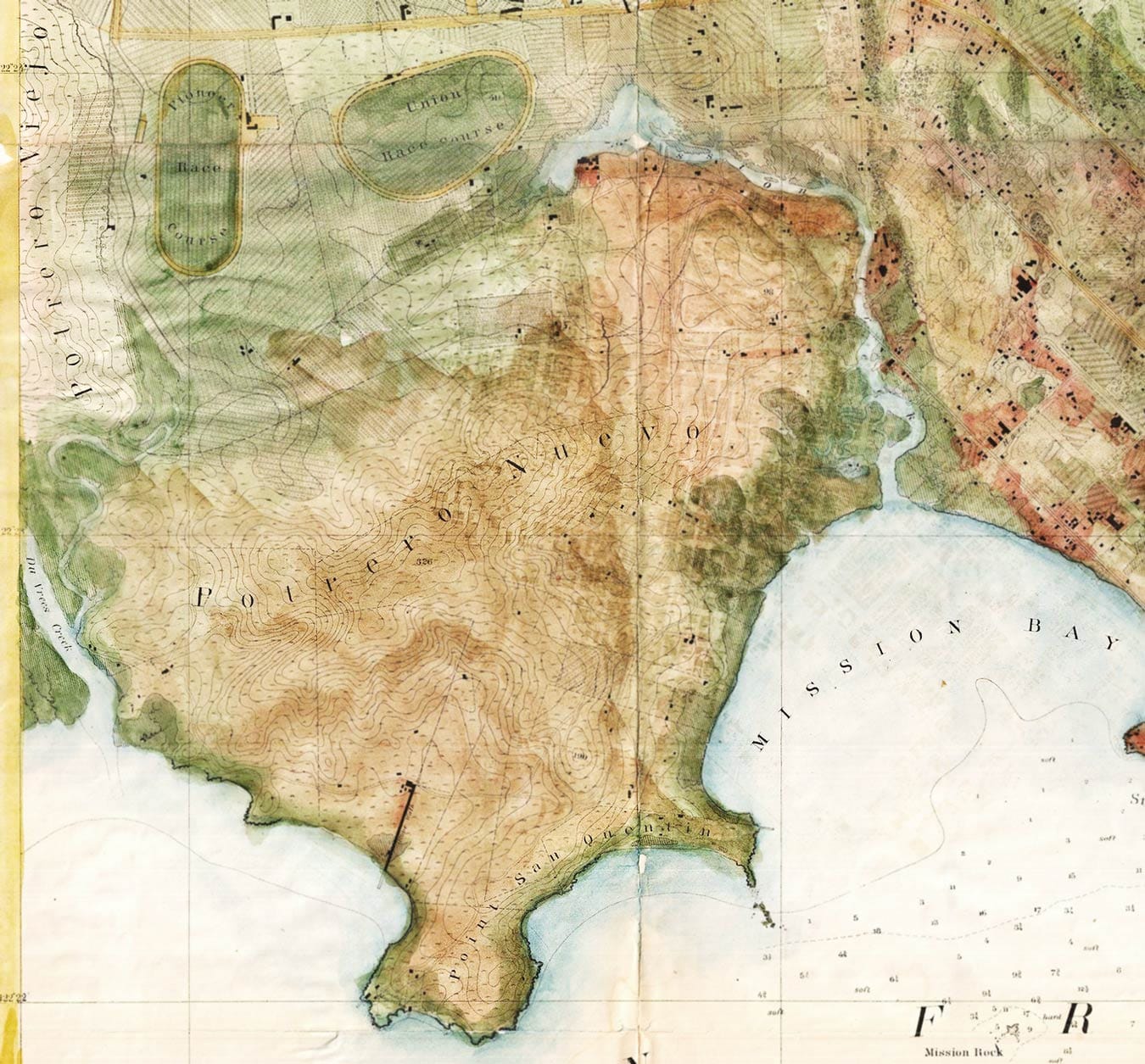
Even before freeways, Potrero Hill had an island-like remove. Up until the Gold Rush, water surrounded the hill on three sides: the bay on the east, the now-buried Mission Bay on the north, and a marshy estuary fed by Islais Creek on the south.
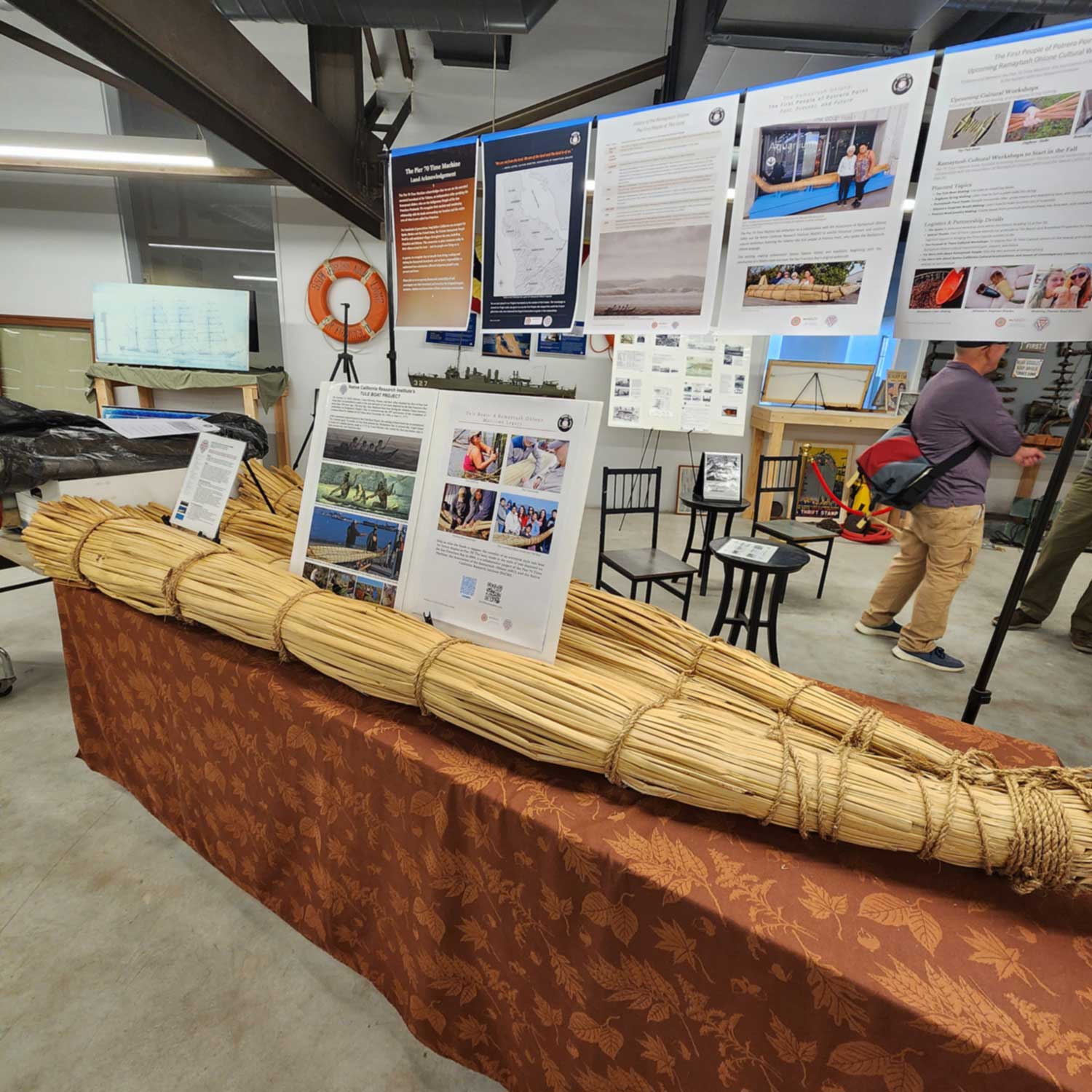
For the Ramaytush Ohlone people, the wetlands were a rich source of both food and tule reeds used to construct canoes. (Read more about tule canoes)
For the colonializing Spanish, the grassy slopes of the 300-hundred-foot-high prominence made for rich grazing land and gave Potrero Hill its name. The undulating hill was potrero nuevo or “new pasture,” separated from Mission Dolores’ old pasture (potrero viejo) to the west.
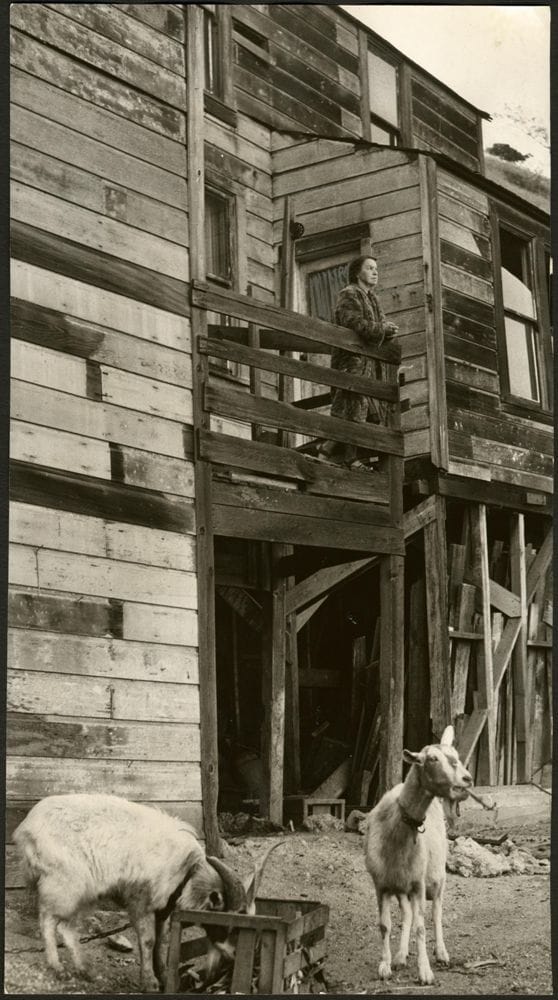
While cows were a common sight on the hill into the 20th century, Potrero Hill has long been associated with another ruminant, the source of the affectionate nickname of Goat Hill.
Followers of our social media learned a little about the hill’s goat-y history on Friday and today they will get a deeper dive into a well-known legacy business, Goat Hill Pizza.
With the arrival of the Americans in the 1850s, waterfront industries quickly began reshaping the hill and filling in the wetlands.
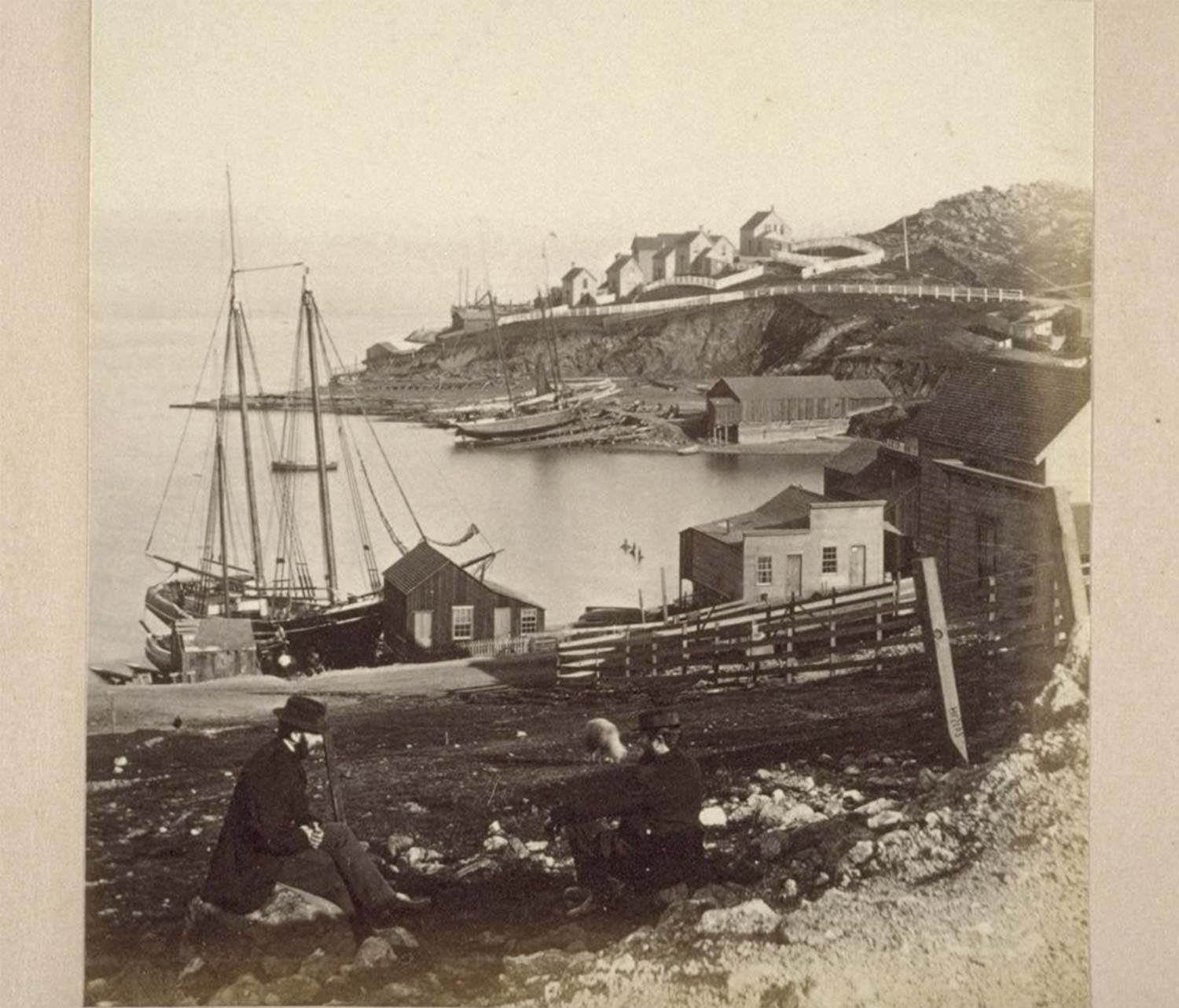
With the bayside factories and foundries came residential development of the hill itself, including three significant houses standing today.
Keystone Houses
Master mariner Charles Adams, who worked on Pacific Mail Steam Ship Co. vessels including the Orizaba and Golden City, is credited with buying land upon which three early Pennsylvania Avenue residences were constructed between 1868 and 1870.
Members of the Adams family lived in 300 Pennsylvania Avenue, an Italianate-style house on the southwest corner of 18th Street, from the 1860s to the 1960s.
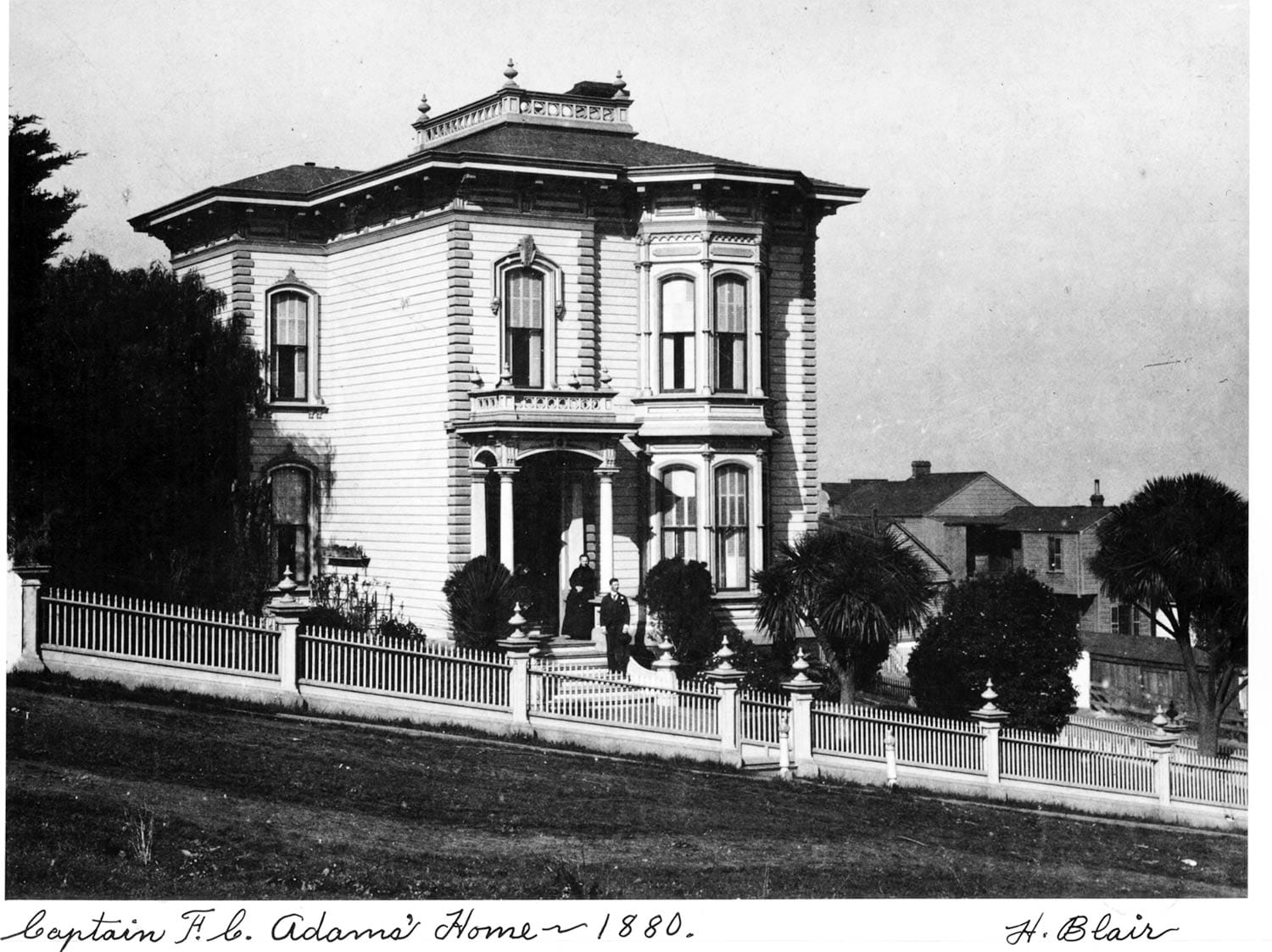
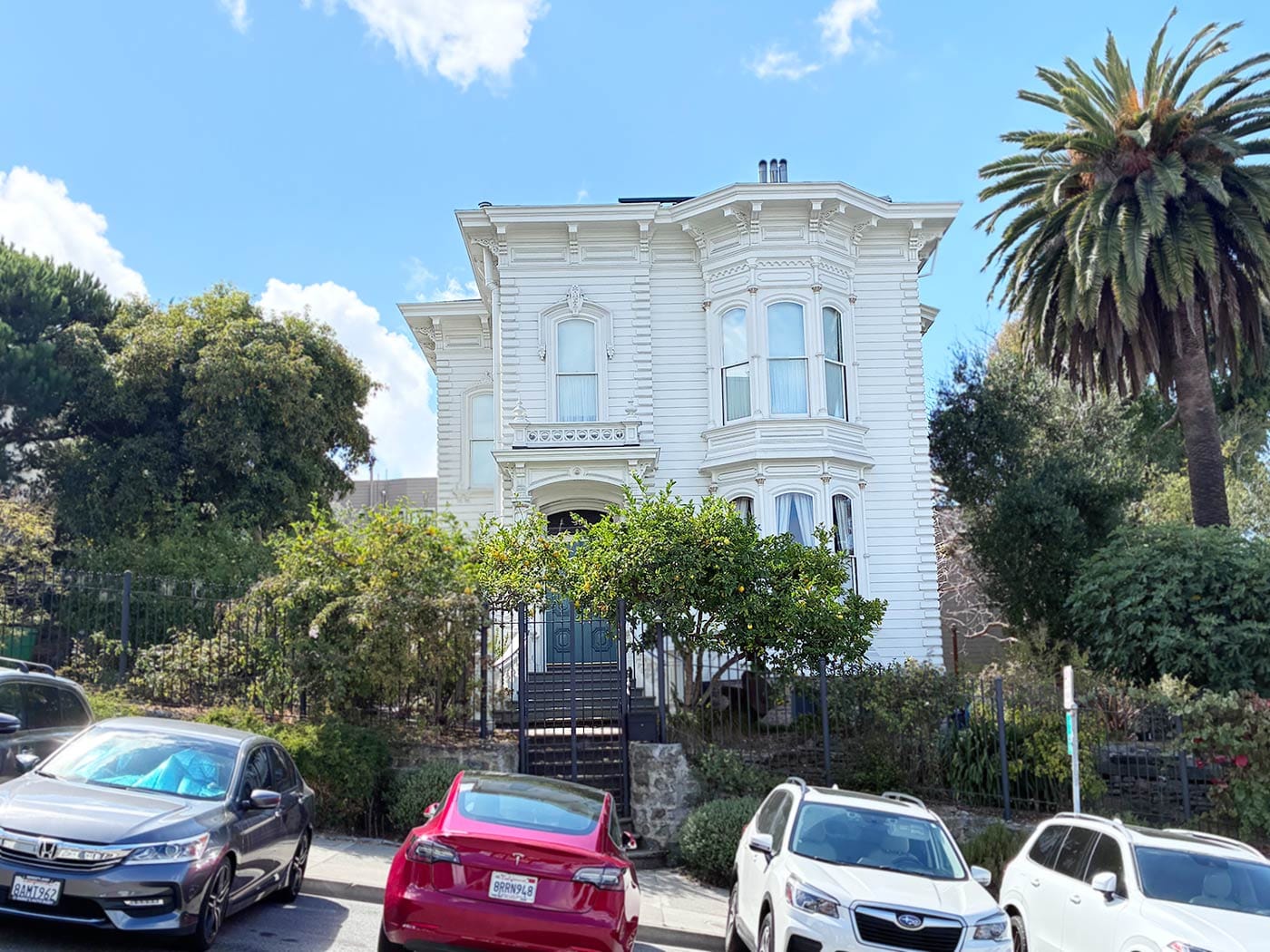
Across the street, Clayton F. Richards had 301 Pennsylvania Street constructed for his family of five in 1868 and lived there until his death in 1902. Richards arrived in California in the early 1860s and opened one of the most successful drug stores in the city at Clay and Sansome streets.
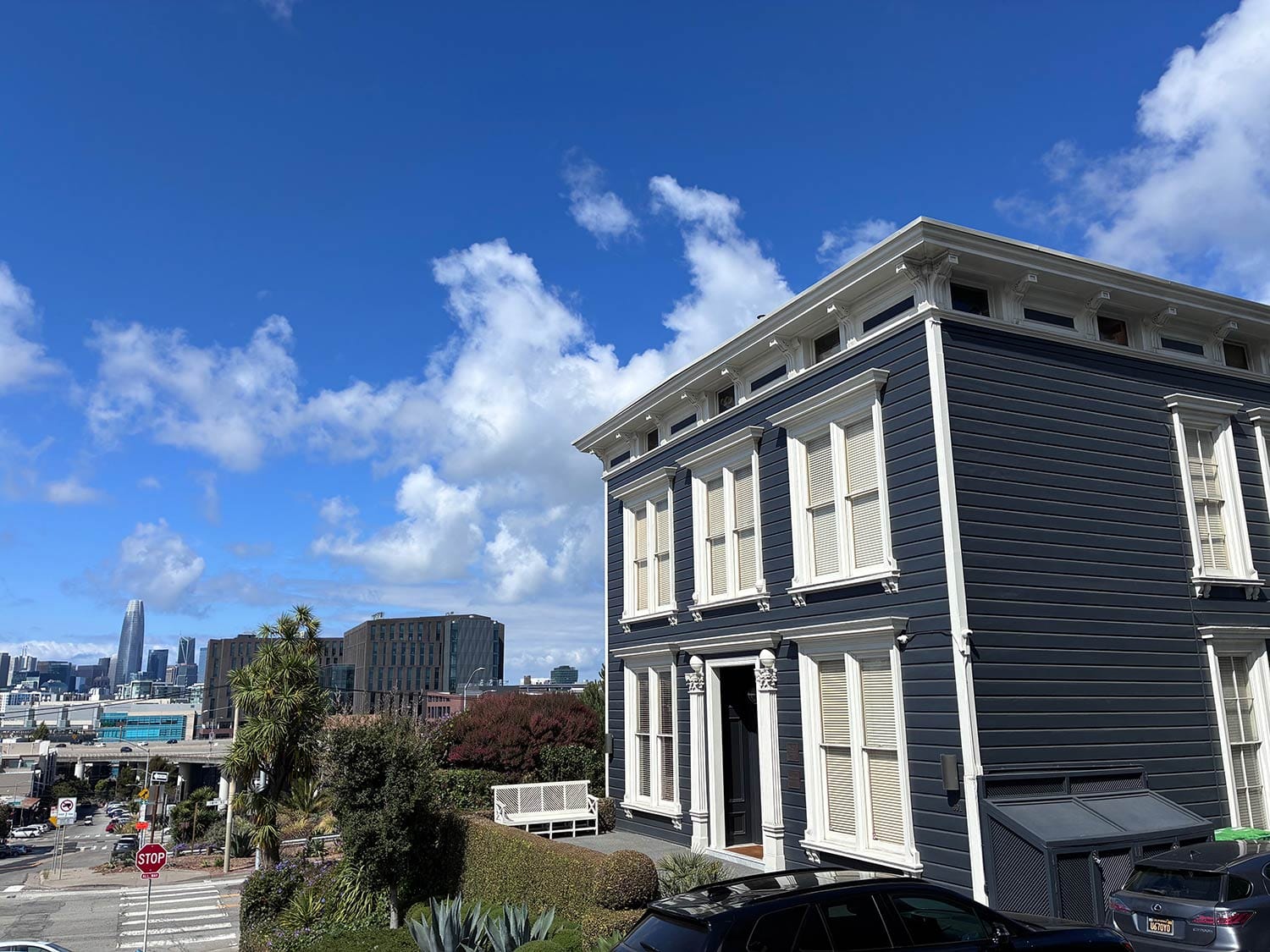
After Richards’ death, the Union Iron Works purchased the building to use as a hospital for its employees down the hill. In later years the Richards house was occupied by an ambulance company.
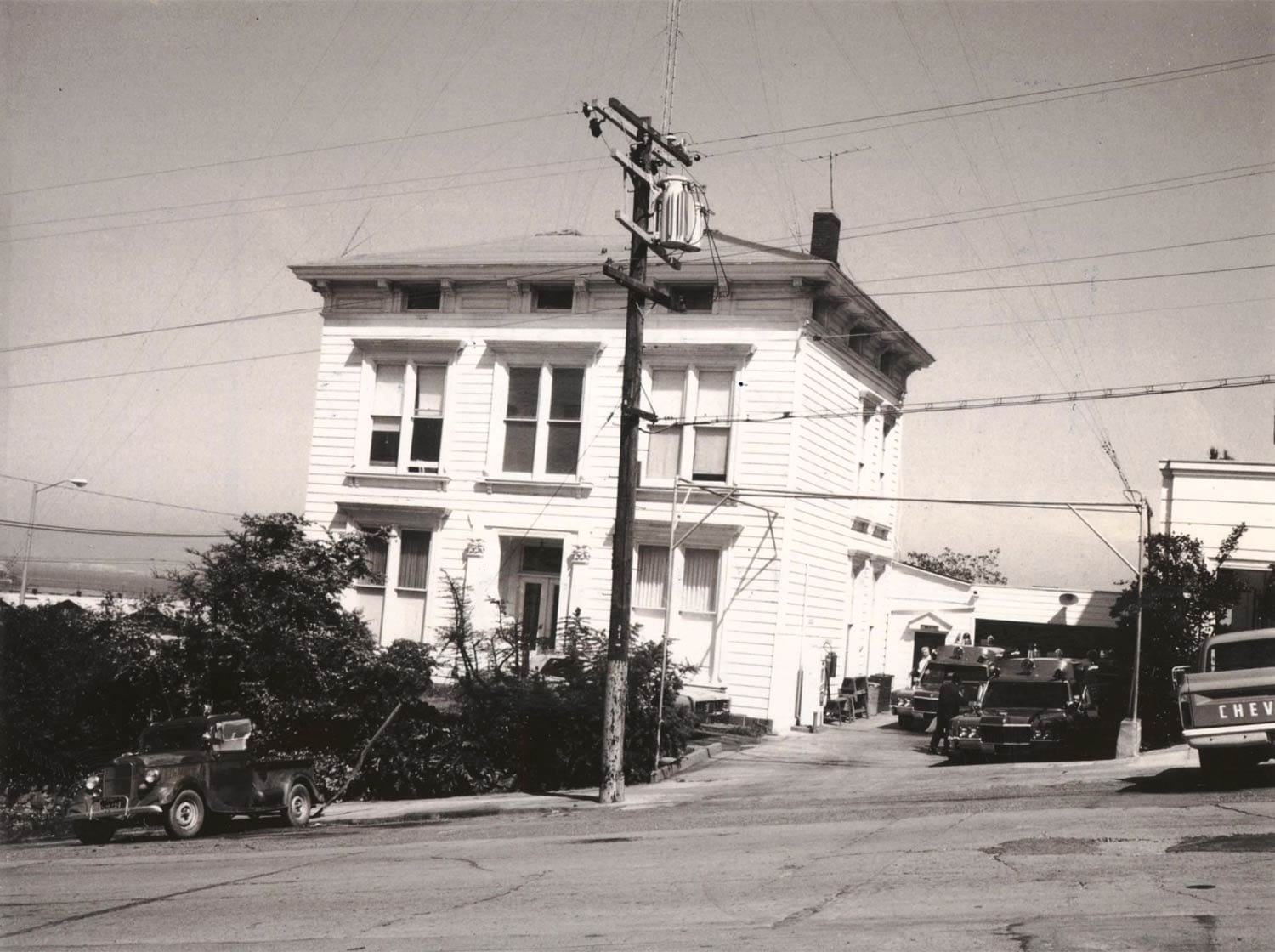
The C. F. Richards house has no official designation, but has been identified as eligible for the California Register of Historical Resources for both its architecture and its associations with the early development of Potrero Hill and the Union Iron Works National Register shipyard site at Pier 70.
Both the Adams and Richards houses once had “widow’s walks” on their roofs; despite the losses, each still holds a great degree of architectural integrity, as does a large home one block up the hill:
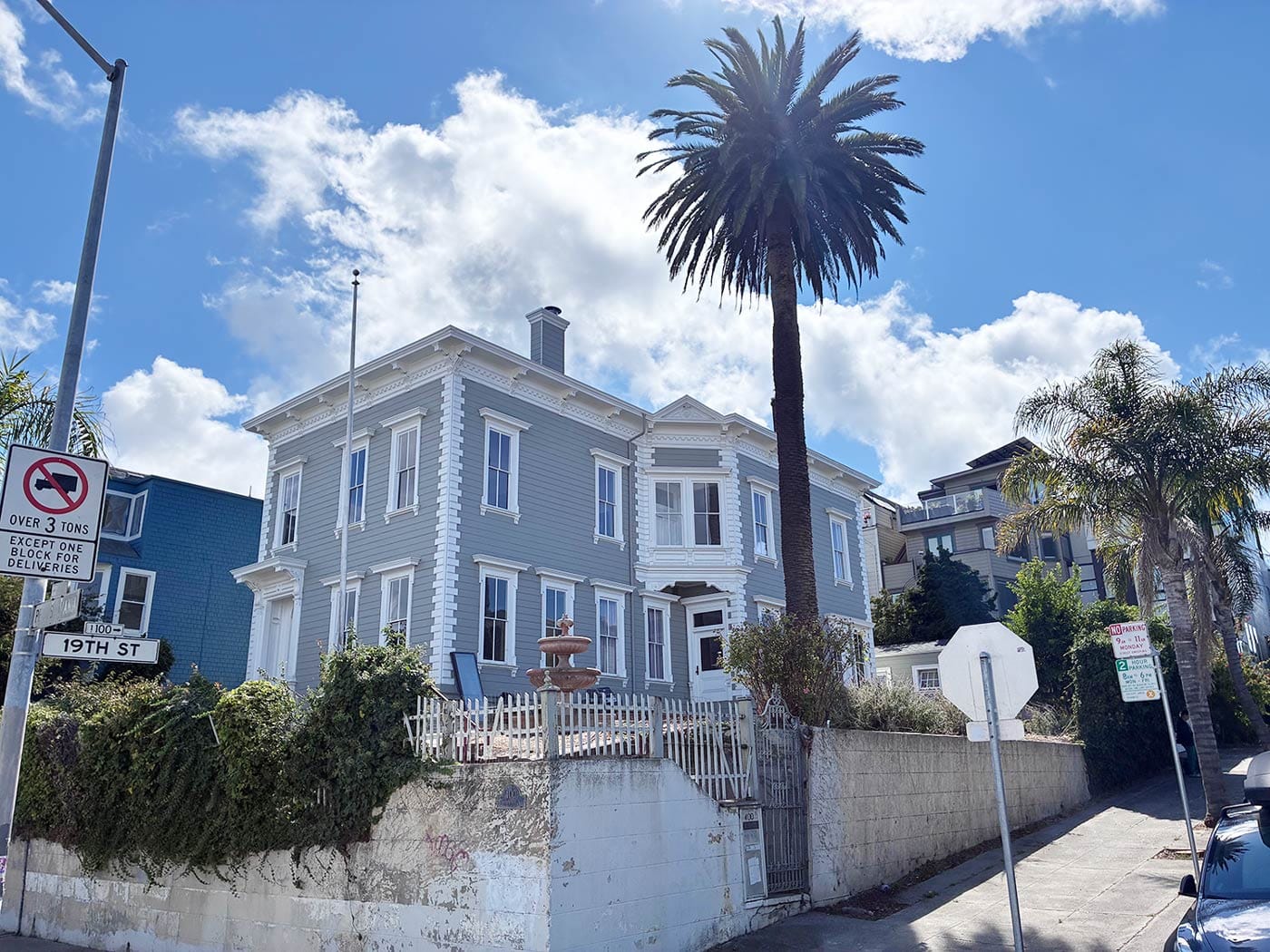
Prentice Cowell, manager of the Beale Street wharf, had 400 Pennsylvania Avenue constructed about 1870. The Italianate-style building’s unusual asymmetrical façade still holds a delicate architectural balance at the corner of 19th Street.
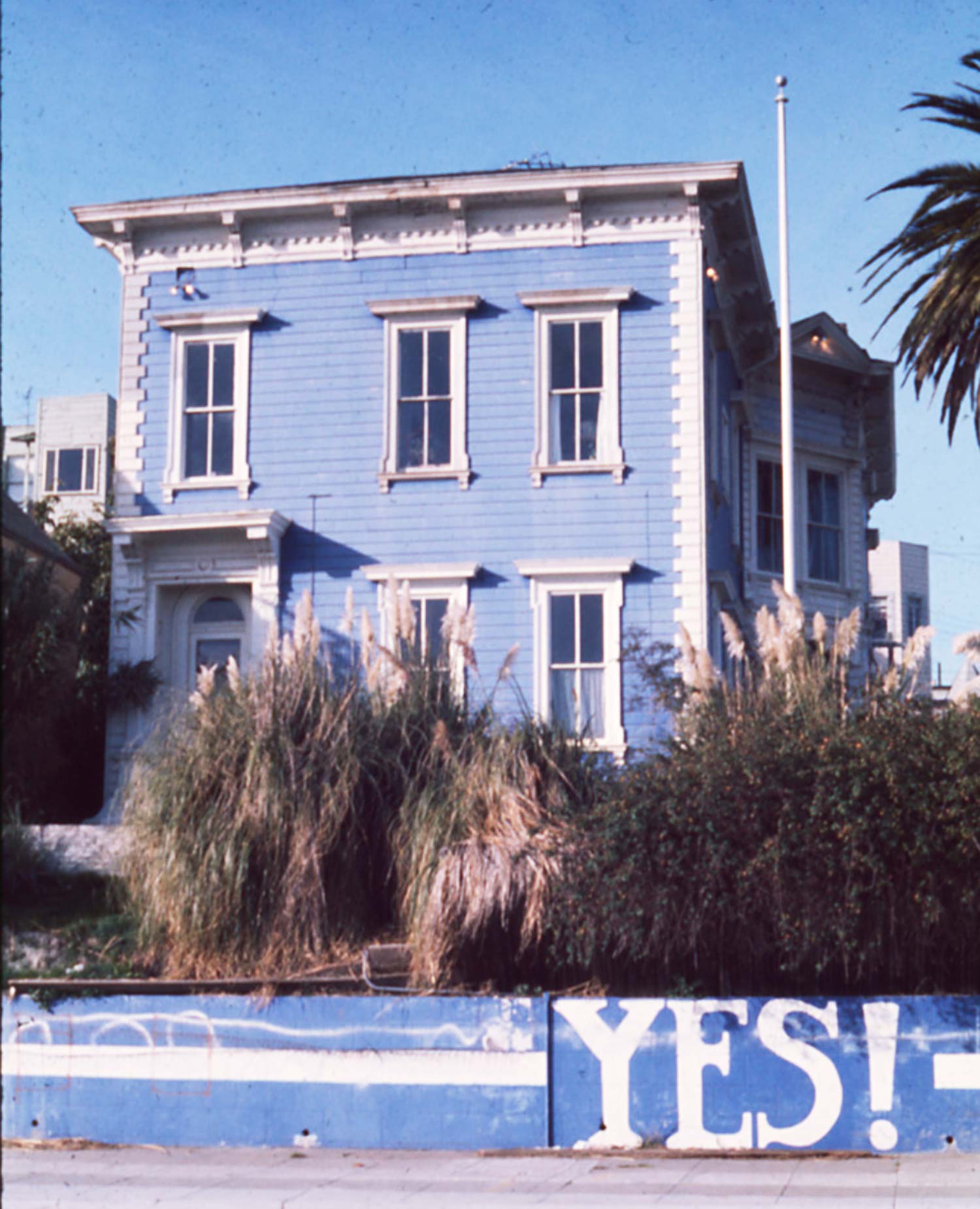
None of these three early Potrero Hill houses holds historic designation, although they should. With San Francisco’s renewed efforts to increase city landmark designations, the Pennsylvania Avenue properties should be targeted as priorities.
Next Week
Most 19th century houses built on Potrero Hill were of humbler design and constructed as family cottages for workers in the major industries along the waterfront. Small tanneries and dairies were also operated on the hill and many early historical photos show a cow or two.
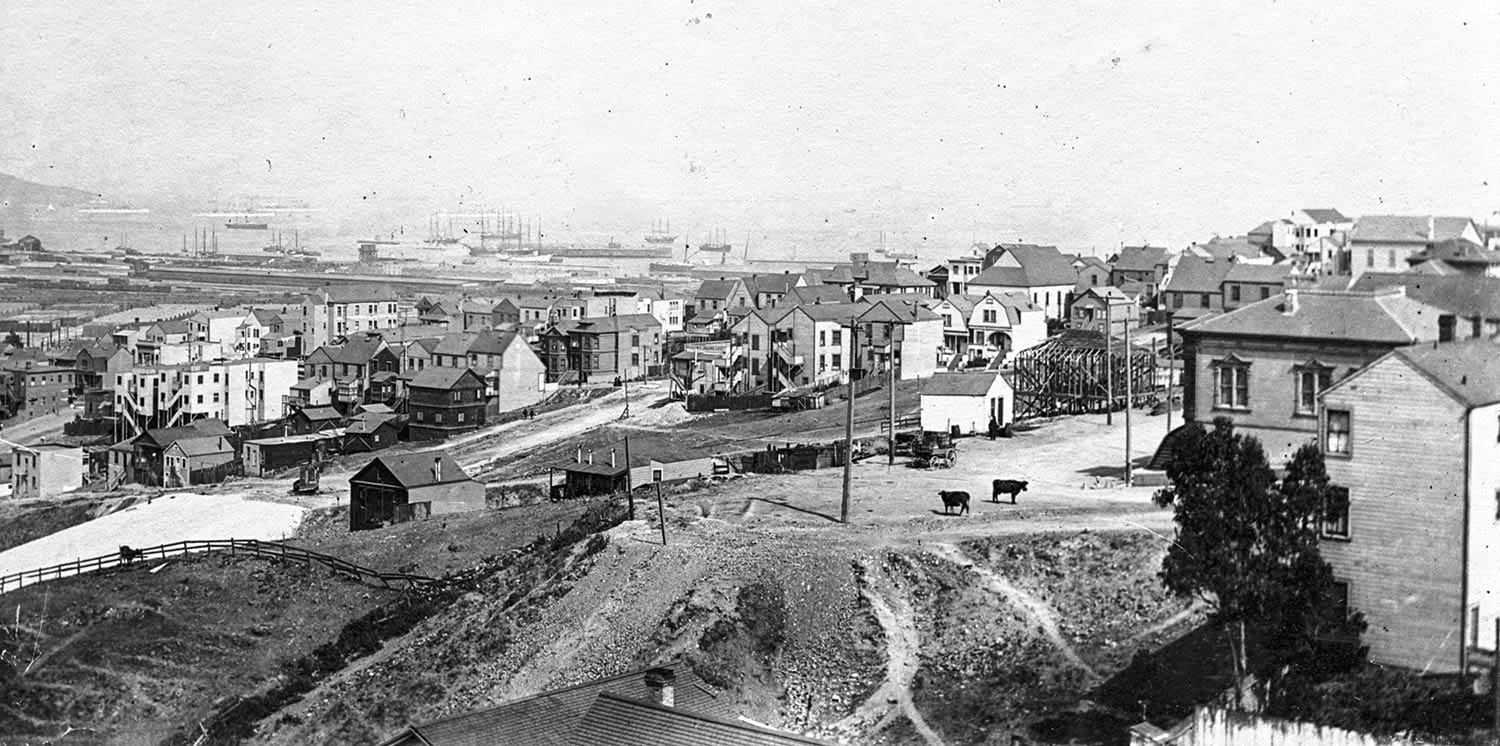
As with almost every corner of San Francisco, life changed for the residents of the neighborhood after the April 18, 1906 earthquake.
Next week, on social media and in another Special City email, we will jump to the early 20th century when some unique communities took root on Potrero Hill.
Remember, we’re posting fun stuff about Potrero Hill all month on our socials! Be sure to follow us on Instagram and Facebook for Heritage in the Neighborhoods spotlights (almost) every day in October. #SFHPotreroMonth

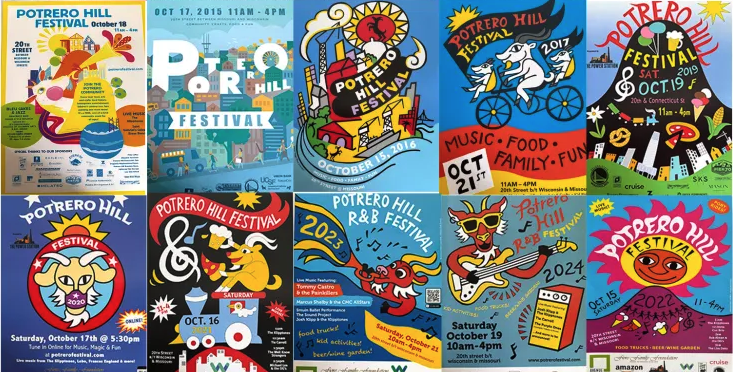
Celebrating 51 years on the Hill
Come out to the neighborhood next Saturday
Looking for a fun way to experience Potrero Hill after absorbing tons of Heritage in the Neighborhoods knowledge from us? (We know it’s only week 2.)
The Potrero Hill Festival (now also an R&B music celebration!) is coming up on 51 years as the premiere neighborhood gathering, and it happens next week on Saturday, October 17 from 10 am- 5 pm.
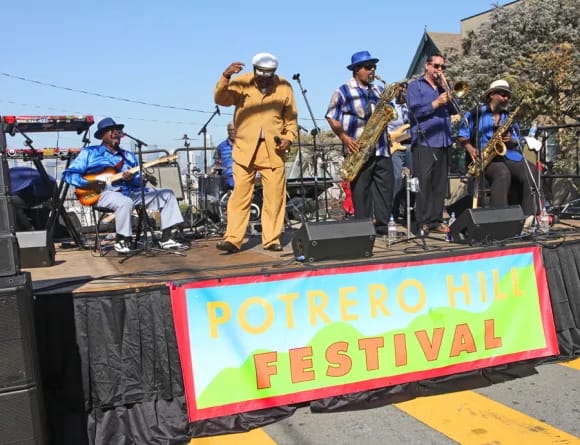
The festival stretches out over four blocks with live music, food vendors, and family activities. All proceeds benefit neighborhood public schools including Daniel Webster and Starr King Elementary, as well as the after-school programs at “The Nabe,” the Potrero Hill Neighborhood House.
The Nabe’s essential community-serving programs have a home inside one of the few city landmark buildings on Potrero Hill. (More coming on that amazing building.)
For neighbors like Peter Linenthal of the Potrero Hill Archives Project and Pier 70 Time Machine, the festival is like a local annual meet-up, a chance to connect with community members. Find his booth with the Time Machine logo to talk everything Potrero history.
Saturday, October 17, 10 am - 5 pm. Free. Vendor and music schedule on the festival website.

Beyond Green
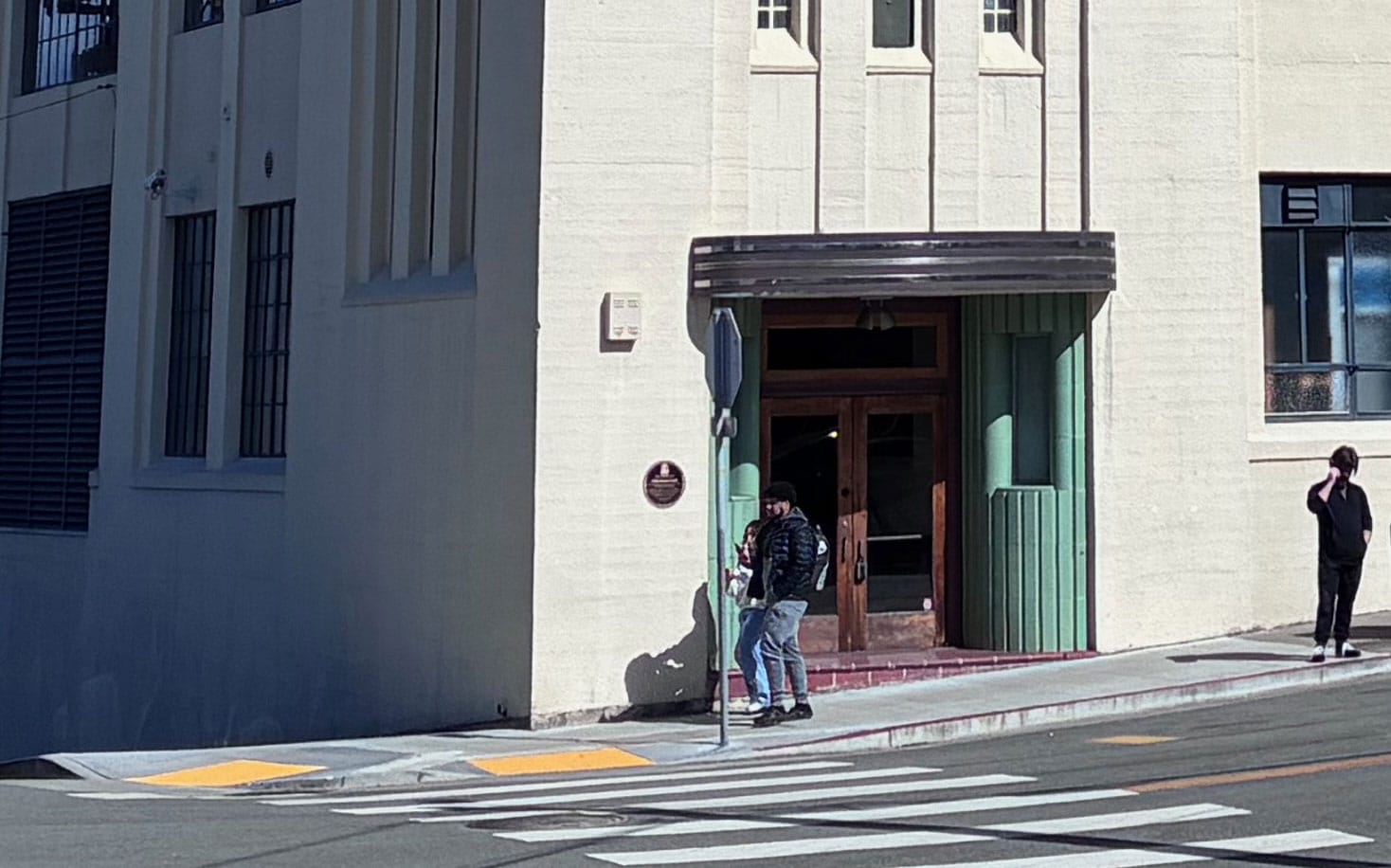
a where am I revealed
Above: Where was our Where Am I?
Read the full email and get the answer by joining at Local Hero or Landmark Club level!