
Potrero Hill Maxes Out
We are in the second half of our Heritage in the Neighborhoods month spotlighting Potrero Hill! If you missed them, read our welcome overview post, our look at early development, and how the neighborhood became a new home for many after the 1906 earthquake.
Before we get to more Goat Hill goodness, don’t forget House of Weird at the Haas-Lilienthal House has two more weekends of Halloween fun.

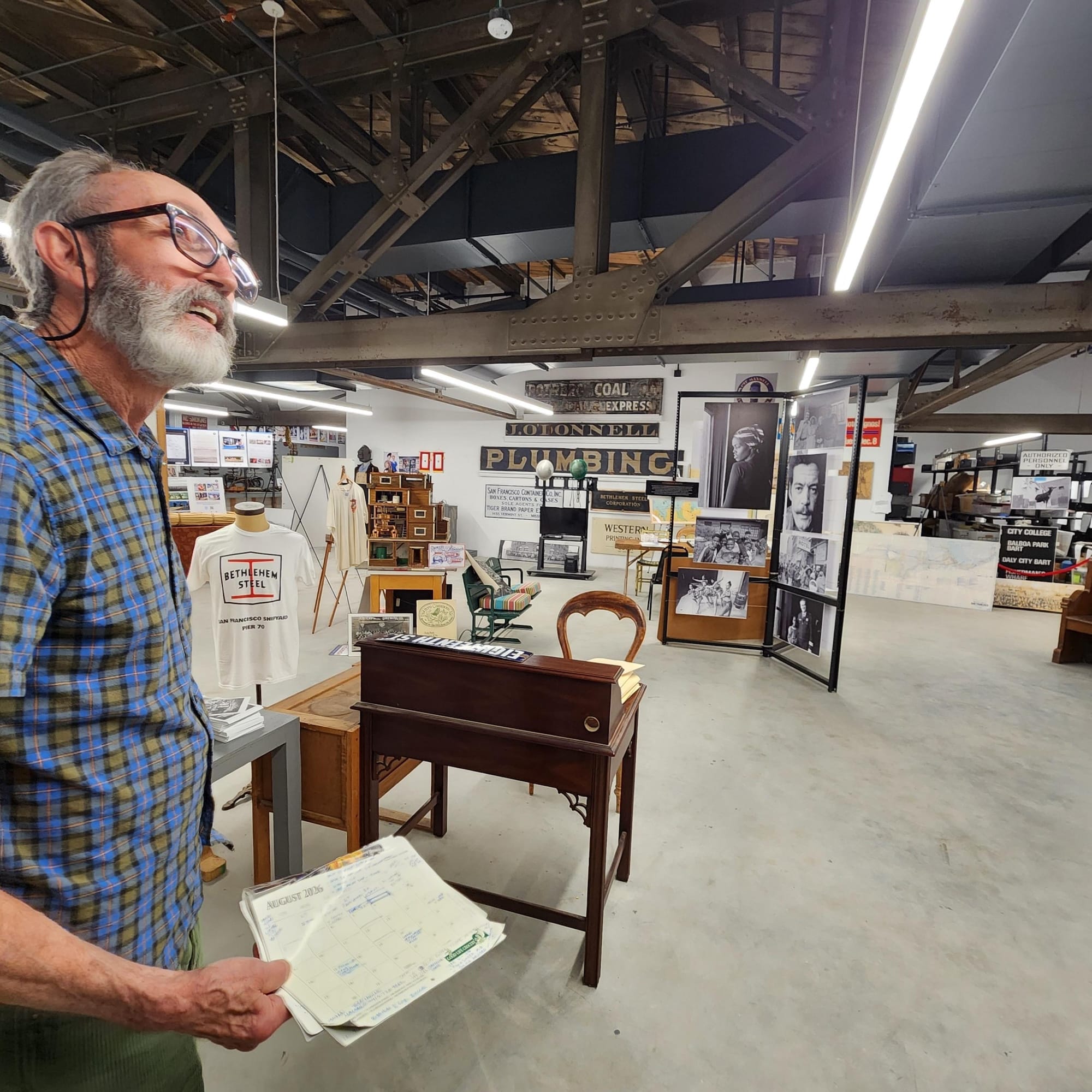
On Sunday, November 1 at 4:00 p.m., historian Peter Linenthal will host a free tour of the new Pier 70 Time Machine inside Pier 70’s Building 12. This community-focused museum has limited public hours, so this is a fun opportunity for a personalized tour of the space. Please limit your RSVP to you and one guest.
Potrero Hill Maxes Out
Mid-century growth, one notable individual, and a deserving landmark candidate
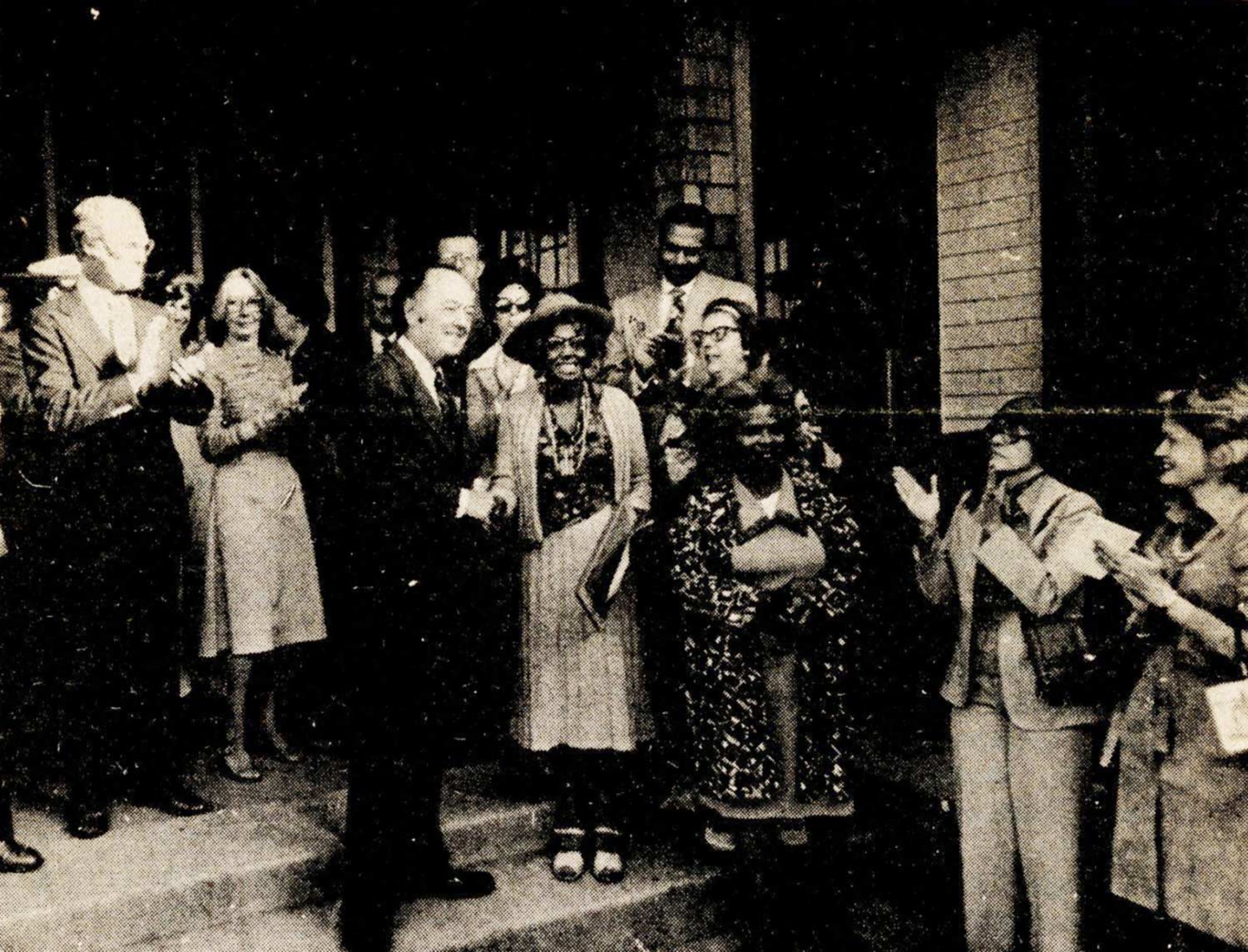
Above: Enola D. Maxwell accepts congratulations on landmark status for the Potrero Hill Neighborhood House from state senator Milton Marks while Mayor George Moscone applauds at left in 1977. (Bob Hayes photograph)
The Nabe is Born
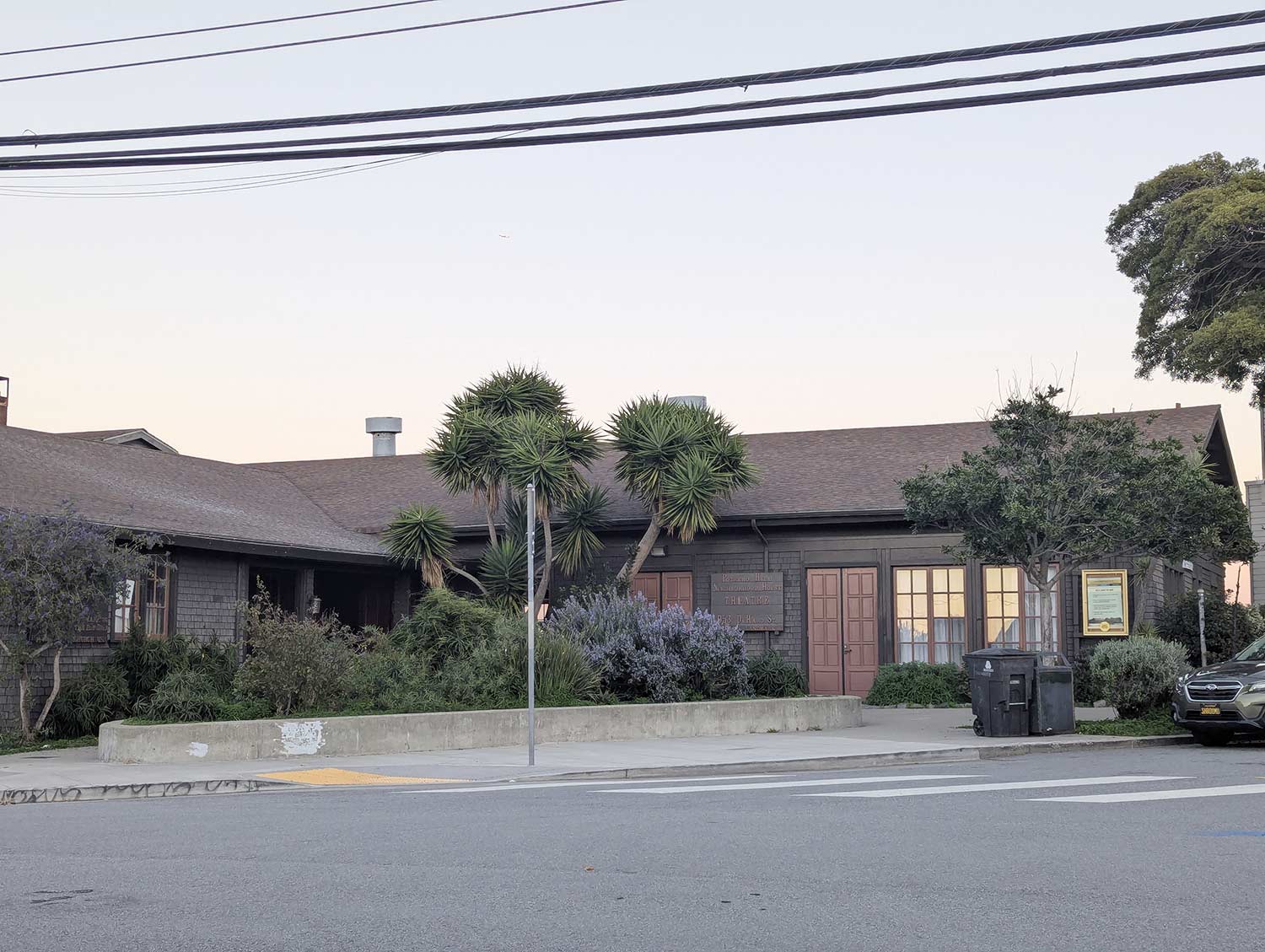
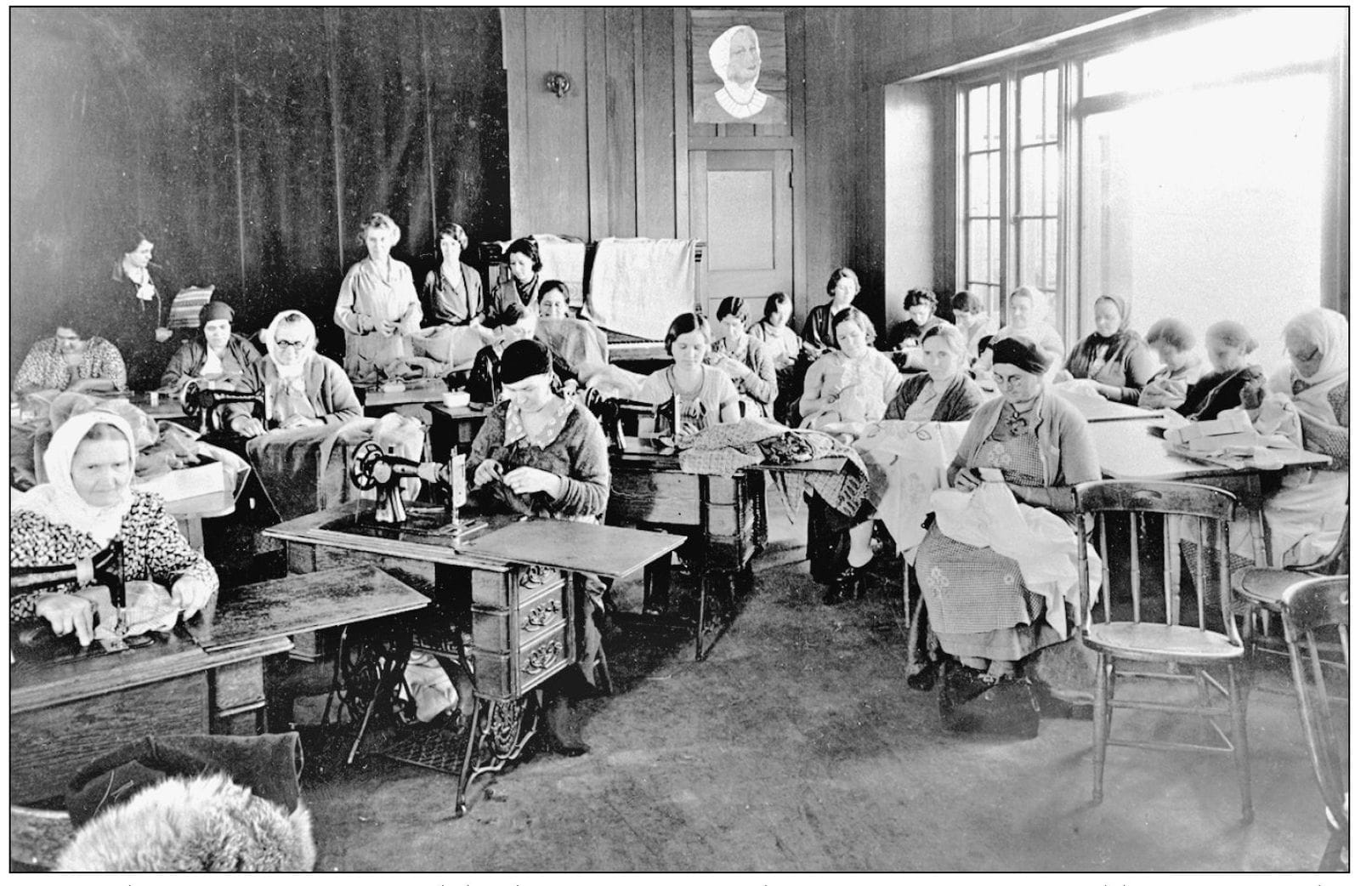
In 1922, the Synodical Society of California Home Missions, a Presbyterian women’s group, were inspired to create the Potrero Hill Neighborhood House, fondly known as “the Nabe,” in response to the needs of the Molokan community. (Read last week’s Special City for more on the Molokans.)
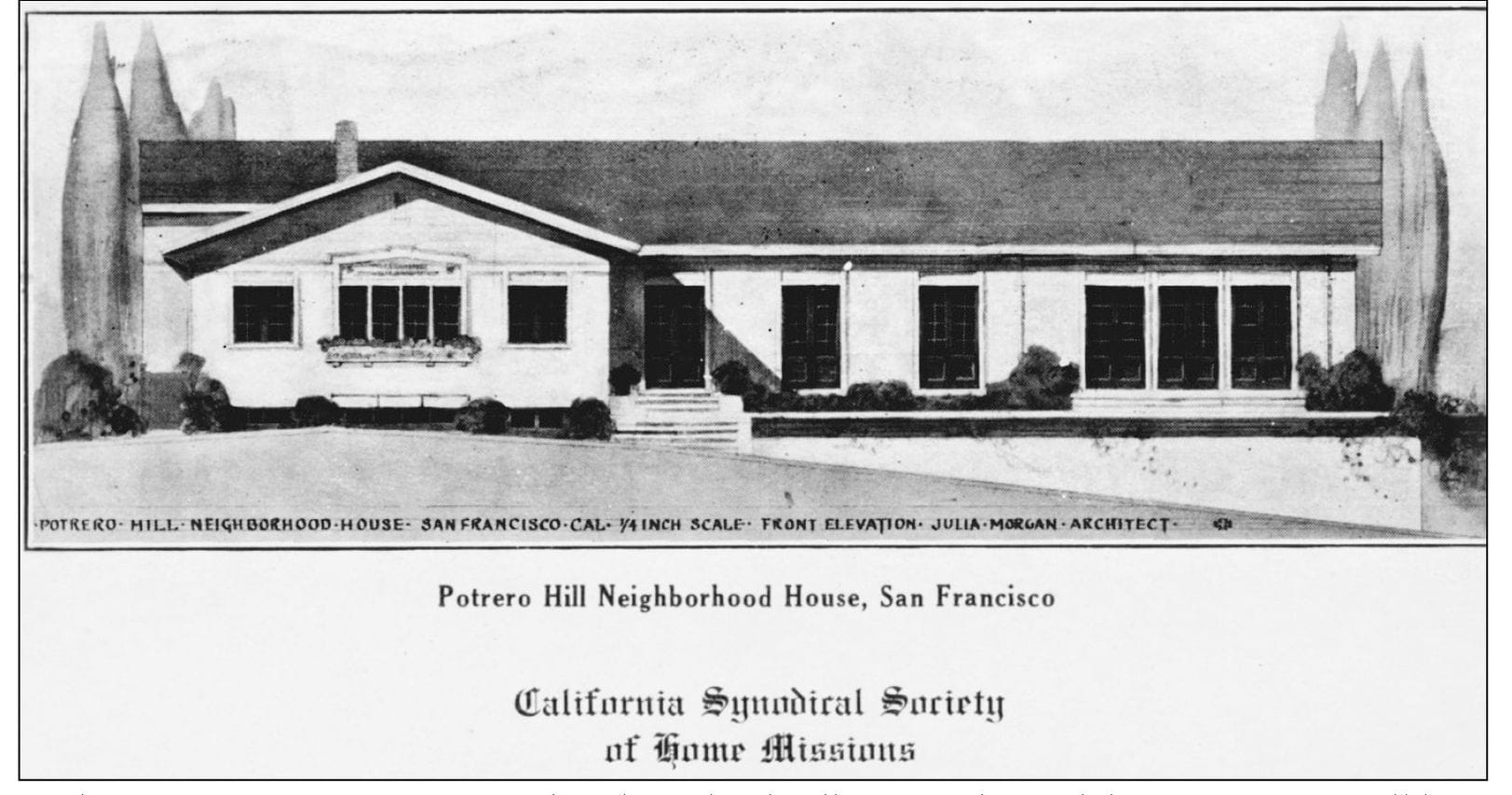
Architect Julia Morgan designed the Arts and Crafts-style wood-shingled building at 953 De Haro Street. A place for English classes and Molokan community events grew over the decades to serve other communities, children, families, and seniors with day care, youth programs, a summer camp, dramatics and music, counseling, a library, and more.
More Neighbors
By mid-century, the Nabe’s potential clientele had increased dramatically. To help address San Francisco’s “housing problem,” Potrero Terrace on the southern slopes of Potrero Hill was built with funding from the United States Housing Authority as one of four low-income developments constructed in the neighborhood in the 1940s.
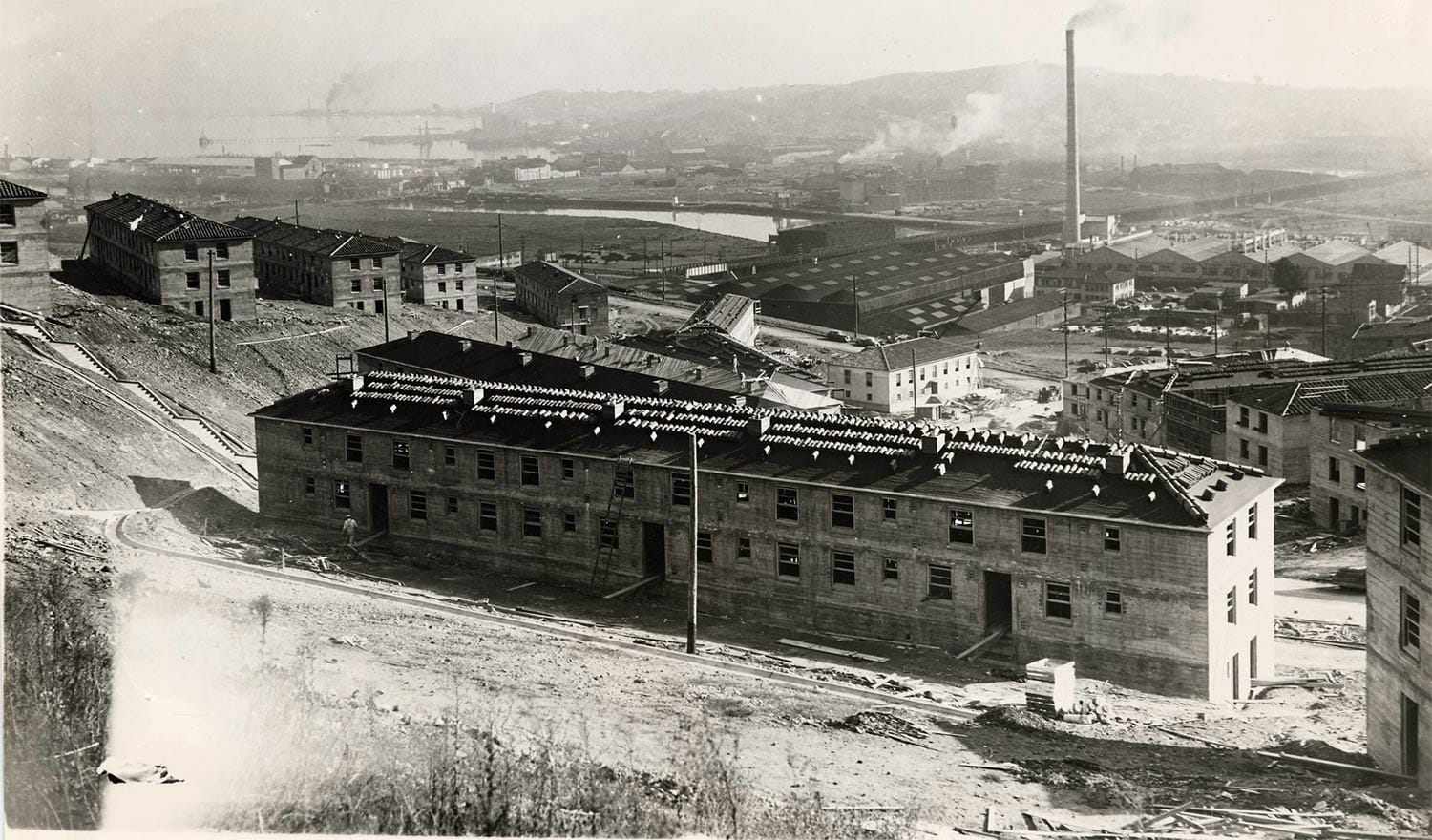
Opened with ceremonies on March 15, 1941, Potrero Terrace’s 469 housing units, most 4½ rooms, were rented for $17 to $28 a month (with utilities) and were racially restricted to whites only. When the United States entered World War II later that year the apartments were prioritized for families of service men and defense workers.
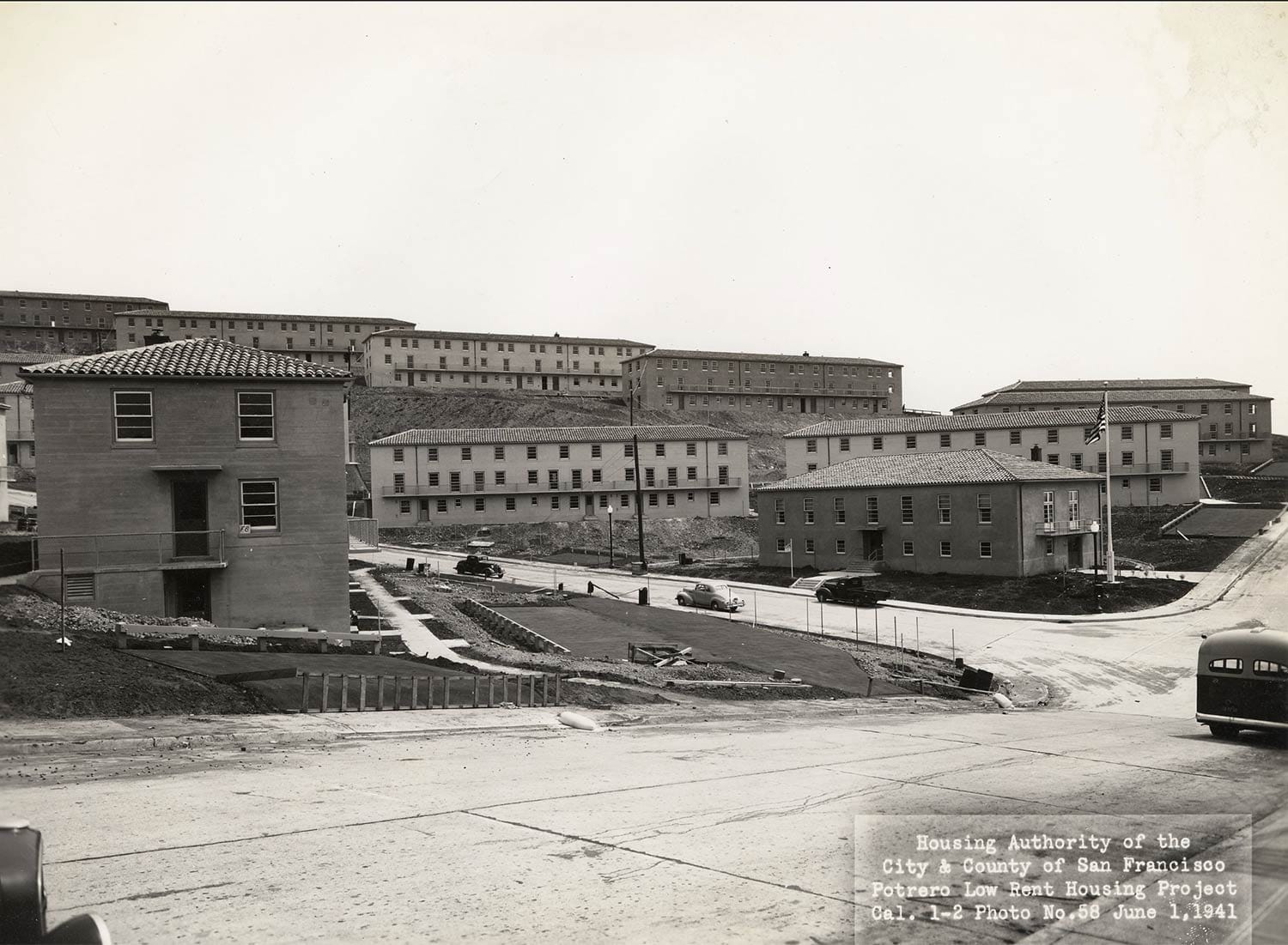
An additional 23 buildings and 172 apartments were added on the northeast side as “Potrero Annex” in 1954, the same year the Supreme Court outlawed racial segregation of the city’s low-income projects. A more informal segregation soon followed, however, and by the mid 1960s, Potrero Terrace and Potrero Annex had flipped to being over 90% occupied by African American families.
Many prominent San Franciscans, including writer-historian Kevin Starr and actor Danny Glover lived at Potrero Terrace, Potrero Annex, and temporary housing projects on Wisconsin and Carolina streets. The last of the original 80-year-old buildings at Potrero Terrace and Potrero Annex are awaiting demolition as part of a decades-long rebuild plan begun in 2017 for replacement affordable and new market-rate housing.
Enola Arrives
It was at the Carolina Street housing project at 18th, 19th, De Haro and Carolina streets that Ms. Enola Maxwell first lived when she moved from Louisiana in 1948. Soon after arriving she became a member of Olivet Presbyterian Church at 400 Missouri Street (at 19th Street).
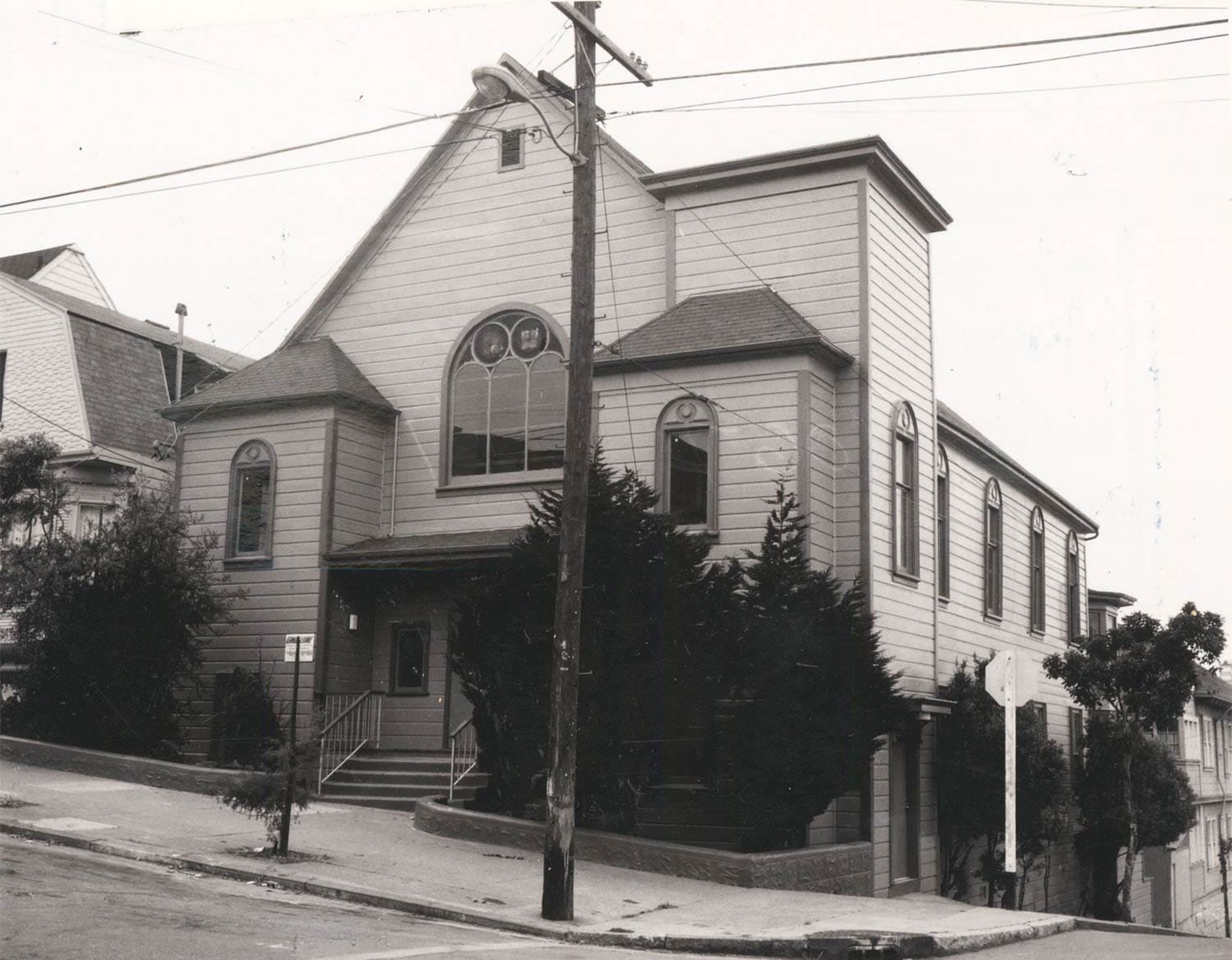
Founded in 1868 for employees of Union Iron Works down the hill, the Olivet congregation had met at locations on Tennessee and Mississippi streets before a fire destroyed their home in 1903. The new church on Missouri Street was dedicated in June 1905 and sheltered refugees in the aftermath of the 1906 earthquake and fire.
While she said she was happy “to sit in the pew and just listen,” Maxwell was soon elected an elder and then in 1968—the congregation’s centennial—she was installed as the church’s lay preacher, the first women to hold such a position in Northern California.
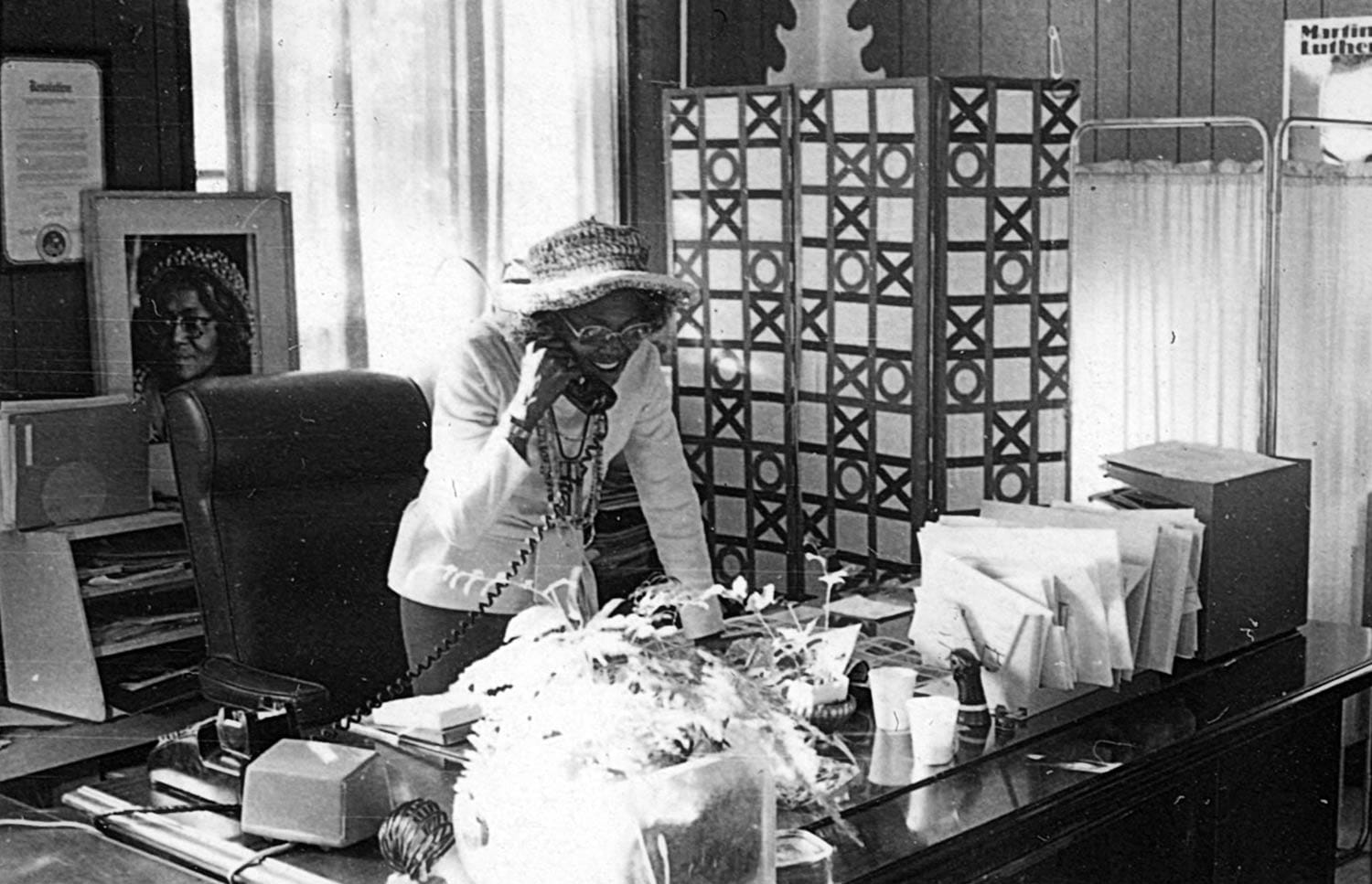
By the 1960s, Potrero Hill was described “a mixed neighborhood of whites, blacks, and other minority groups” and Enola Maxwell led a congregation at Olivet which reflected that diversity. They were not easy times leading what she called “the church with soul.” Arsonists tried to burn down the building twice in 1971 and 1972.
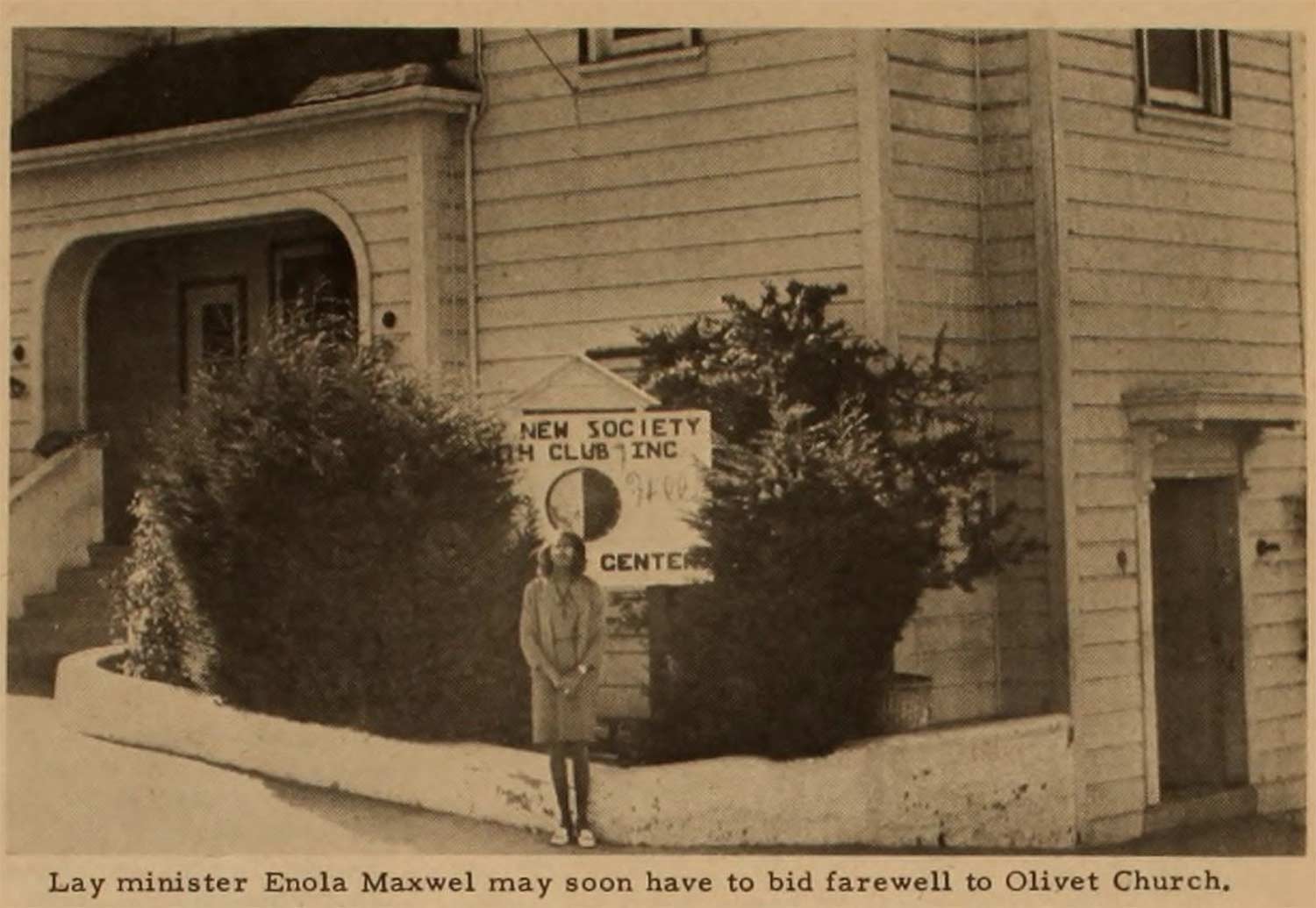
The United Presbyterian Church ended Olivet’s long history on the hill after the second fire, dissolving the congregation and deeding the building to the Potrero Hill Neighborhood House in 1972.
By that time “Miz Maxwell” was the Nabe’s executive director and the first African American to serve on the staff. She revitalized the run-down neighborhood house, expanded programs, and succeeded in obtaining landmark status (#86) for the building.
Maxwell served as the Potrero Hill Neighborhood Center’s director for the rest of the century.
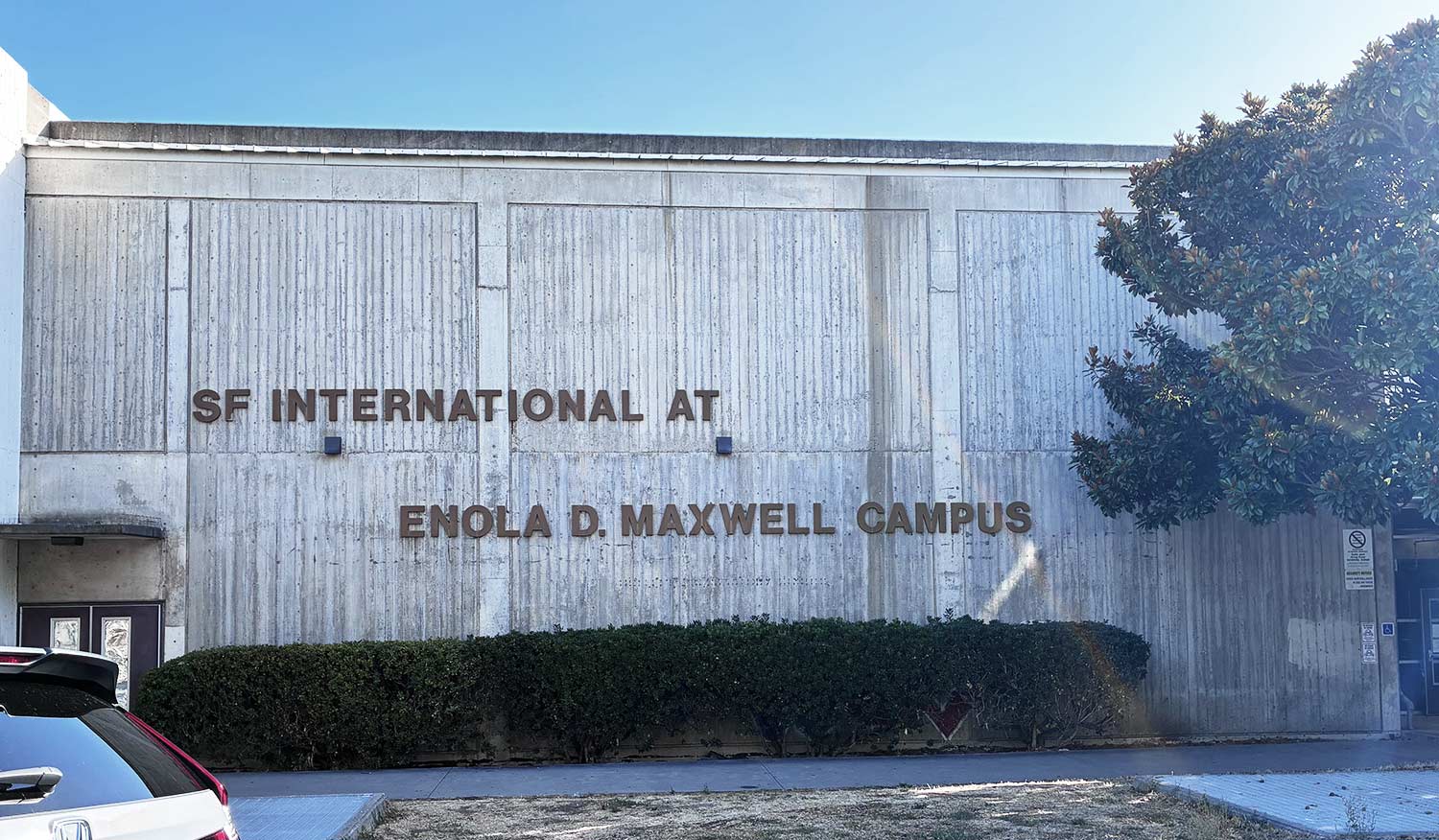
A powerful and beloved community leader and activist, she was honored by the city in 2001 when the school campus site at De Haro and 18th street was named after her. Enola’s daughter, Sophie Maxwell, represented District 11 on the San Francisco Board of Supervisors from 2001 to 2011.
A Landmark Candidate
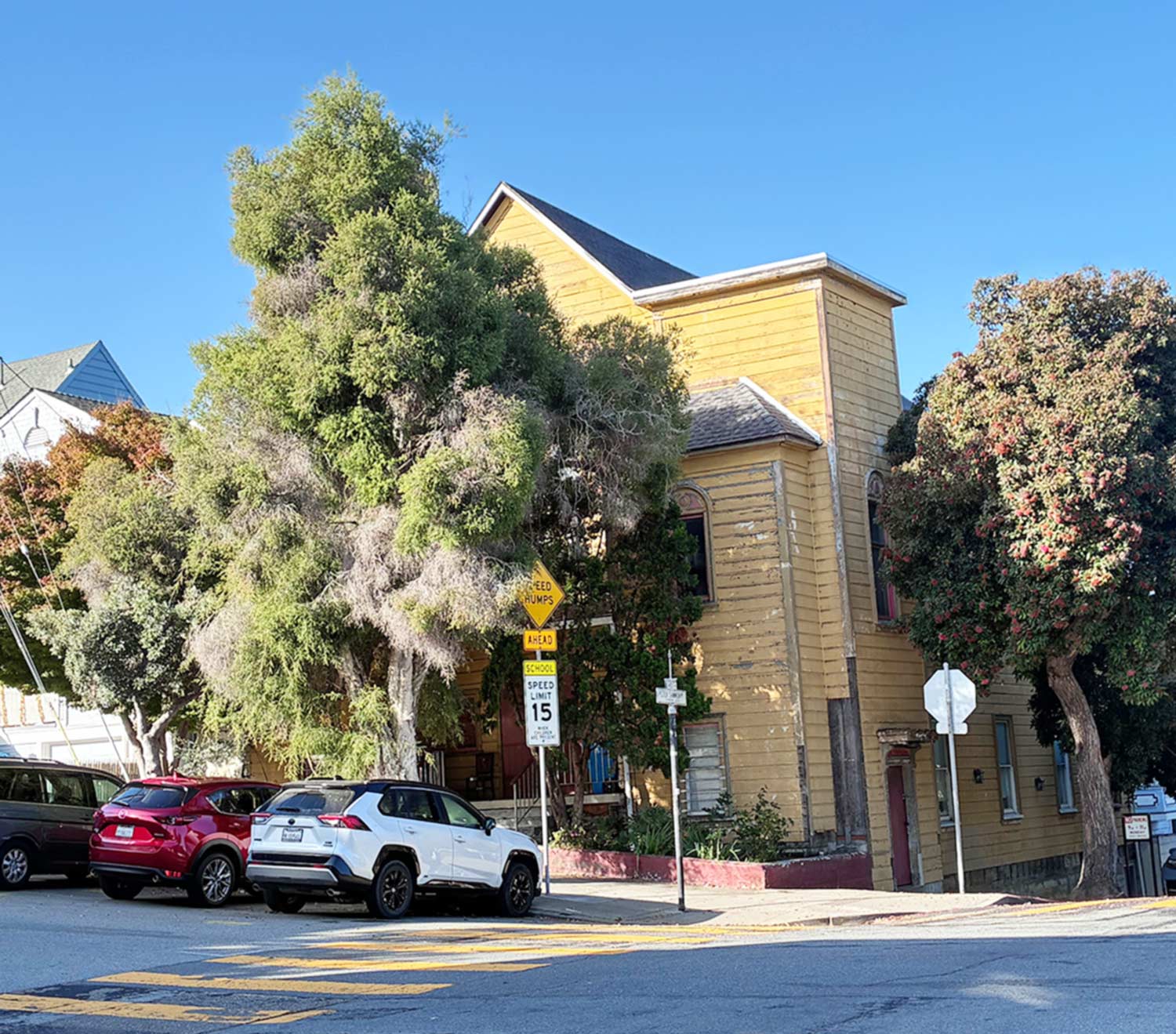
The Pickle Family Circus took over 400 Missouri Street after the Olivet Presbyterian Church’s tenure ended. The building was rehearsal space, offices, shops, and headquarters for the San Francisco troupe from the 1970s to the 1990s.
The Pickles were influential in a worldwide “new circus” movement which favored intimate animal-free shows, a tradition which continues today in innovative circus shows like Dear San Francisco, produced by Pickle alumni.
For all its important cultural associations and for its high architectural integrity, 400 Missouri Street would be an excellent candidate to join the Julia Morgan-designed Nabe as a Potrero Hill city landmark.

Historic Preservation Under Threat
and what you can do about it
This month marks the 60th anniversary of the National Historic Preservation Act, a law that has helped preserve some of the country’s most beloved historic and cultural sites.
Unfortunately, this milestone has been shadowed by major threats to Section 106, which is the part of the Act that requires the federal government to take a pause and consult with stakeholders (the public, local governments, Tribal Nations, preservation experts, etc.) to identify and minimize harm to cultural and historic sites before moving forward with a project.
Section 106 is being threatened on multiple fronts, one of which is a November 9 U.S. Senate bill that aims to “streamline” the Section 106 review process but instead would take the teeth out of it and actually introduce more ambiguity. San Francisco Heritage joined a national coalition of over 1,000 organizations by signing an open letter to Congress in defense of Section 106.
What can you do to help? You can visit the Section 106 Coalition website to read more about why Section 106 is important and the specifics of the numerous current threats; contact your representatives and tell them to vote NO on November 9, donate to the cause, and tell your friends.

Potrero History Night
Celebrate community history
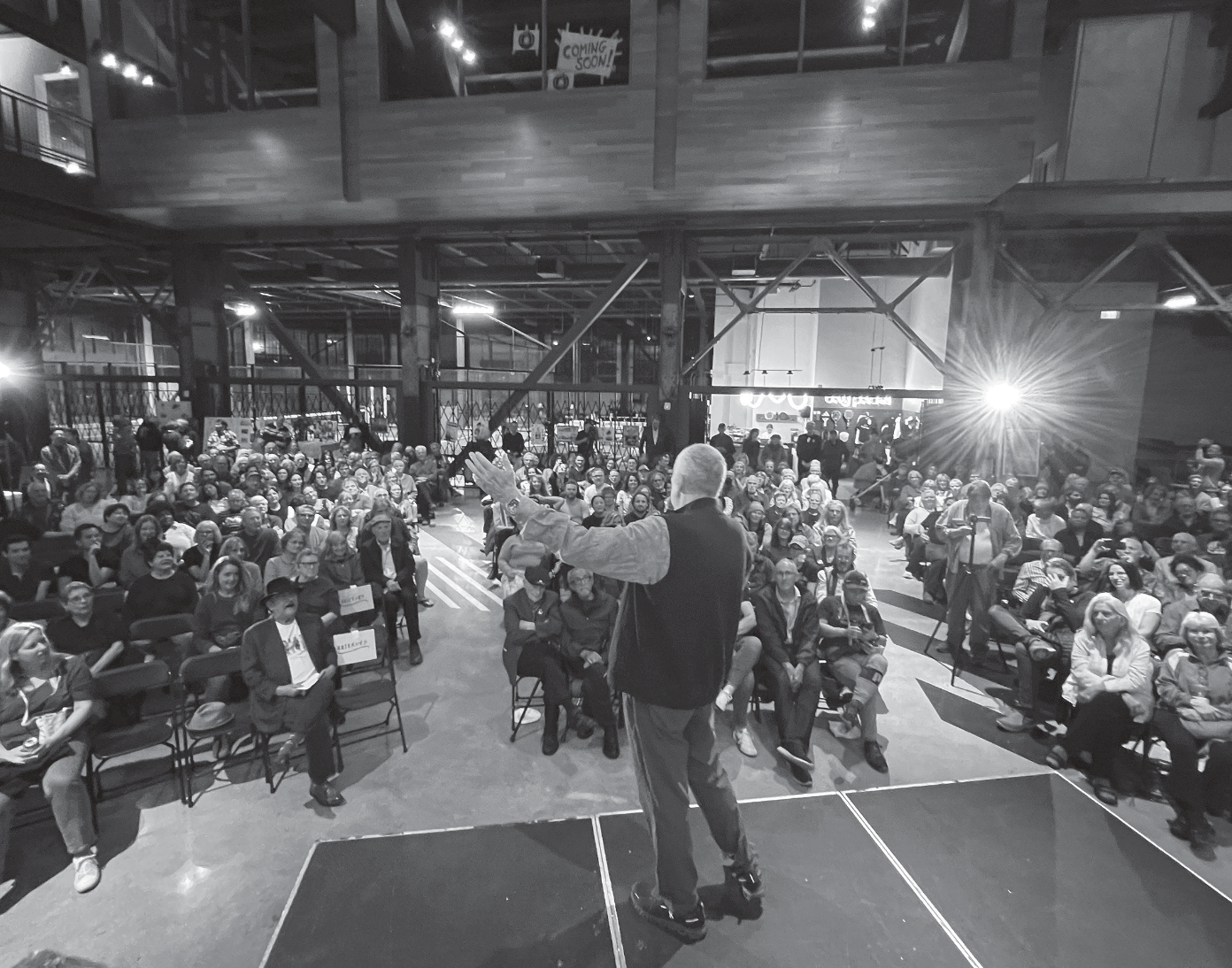
Above: Potrero History Night in 2025 inside Pier 70’s Building 12. Photo by Potrero View staff.
Every year for 26 years, Peter Linenthal of the Potrero Hill Archives Project has hosted Potrero Hill History Night, a free community event that celebrates neighborhood milestones with film clips, archival photos, music, and food.
In 2025 this event moved to the beautifully restored—and massive—atrium at Pier 70’s Building 12, a space not only worthy of a 2025 SF Heritage Landmark Luncheon award but one that embodies the history of San Francisco’s southeastern waterfront.
This November, for its 27th year, History Night (which also includes Dogpatch and waterfront history in addition to what we know as Potrero Hill) is back at Pier 70 for another round. The location is also home to the new Pier 70 Time Machine, the brainchild of Peter and frequent History Night collaborator Bill Perez of the Bethlehem Shipyard Museum.
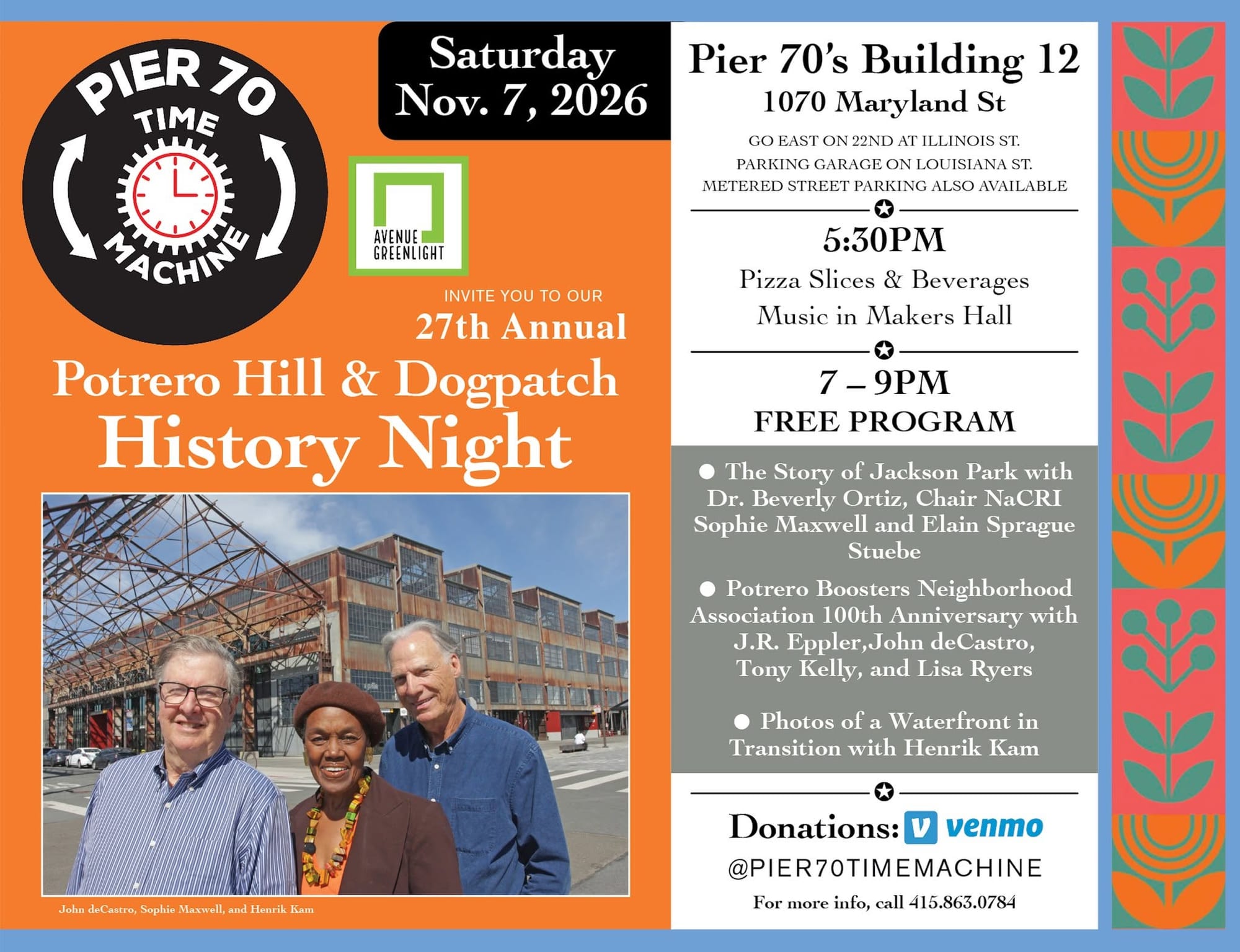
Admission is free! Bring a friend and join this fun event on Saturday, November 7, 2026. Programs start at 7:00 p.m., but visitors are encouraged to arrive early for food, music, and a chance to look around Building 12.
See you next week to wrap up Potrero Hill Heritage in the Neighborhoods month!

Founded in 1971, San Francisco Heritage is a 501(c)(3) membership organization that preserves and enhances San Francisco’s unique architectural and cultural identity. Our programs and partnerships interpret, share, and celebrate the shared histories, landscapes, and communities of the city to instill optimism, belonging, and purpose.



Member discussion