
Pagoda Progress and Rural Cole Valley Recognized
Hello, Special City! Welcome to the 30 new members that have joined so far this month. In the spirit of this sunny day in San Francisco, we are making this email open to all. Today we have:
- Woody reveals the “where am I?” green shutter location
- Kerri remembers a 96-year old legacy business proprietor
- A Peace Pagoda update
- The makings of a historic site at a parking lot
- Spotlight on a couple of the newest proposed city landmarks
We're opening up this usually-paid email for free! If you're not a Special City member at a paid levels, we encourage you to upgrade today and get all the news, all the time, from SF Heritage. (And read full amazing emails like these.)
But first, grab some cool silent auction items in support of our June 4 gala!

Bid on mustard, movies, and a Main Post walk
A gift package from German spot and legacy business Süppenkuche (celebrating 33 years!), a loyalty card for the historic Balboa and Vogue Theatres (the former celebrating 100 years!), and a fun history walk in the Presidio (a place we're celebrating at our gala!) are all items you can bid on NOW in SF Heritage's gala silent auction. Bids close on Sunday, June 7 at 8 pm PT.
To start bidding, hit "Request an Account" on this page to create a profile—this takes just several seconds! (we know this is odd because you are not requesting anything, just creating an account ¯\_(ツ)_/¯ )
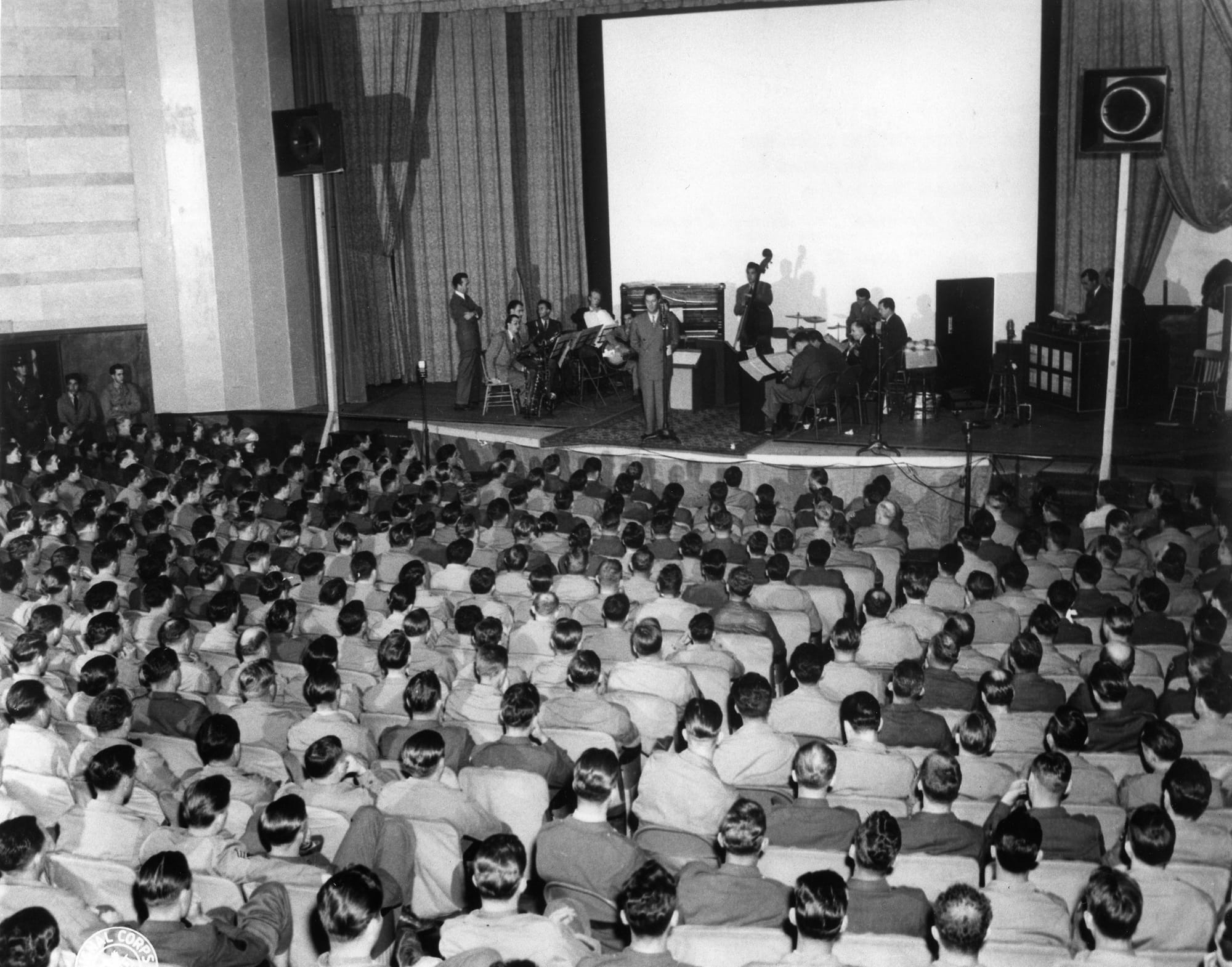
Help us fill the theatre at our in-person gala program on June 4, 2026! Our Presidio-focused history show will take place in the beautifully-restored Presidio Theatre (99 Moraga Avenue).
Sponsorship is still available too (starting at $250), which includes a pre-show VIP reception and a preferred-seating ticket to the show. The reception will feature bites from renowned native restaurant Wahpepah's Kitchen, based in Oakland and coming soon to SF's American Indian Cultural District.

Up next for a SOMA historic site
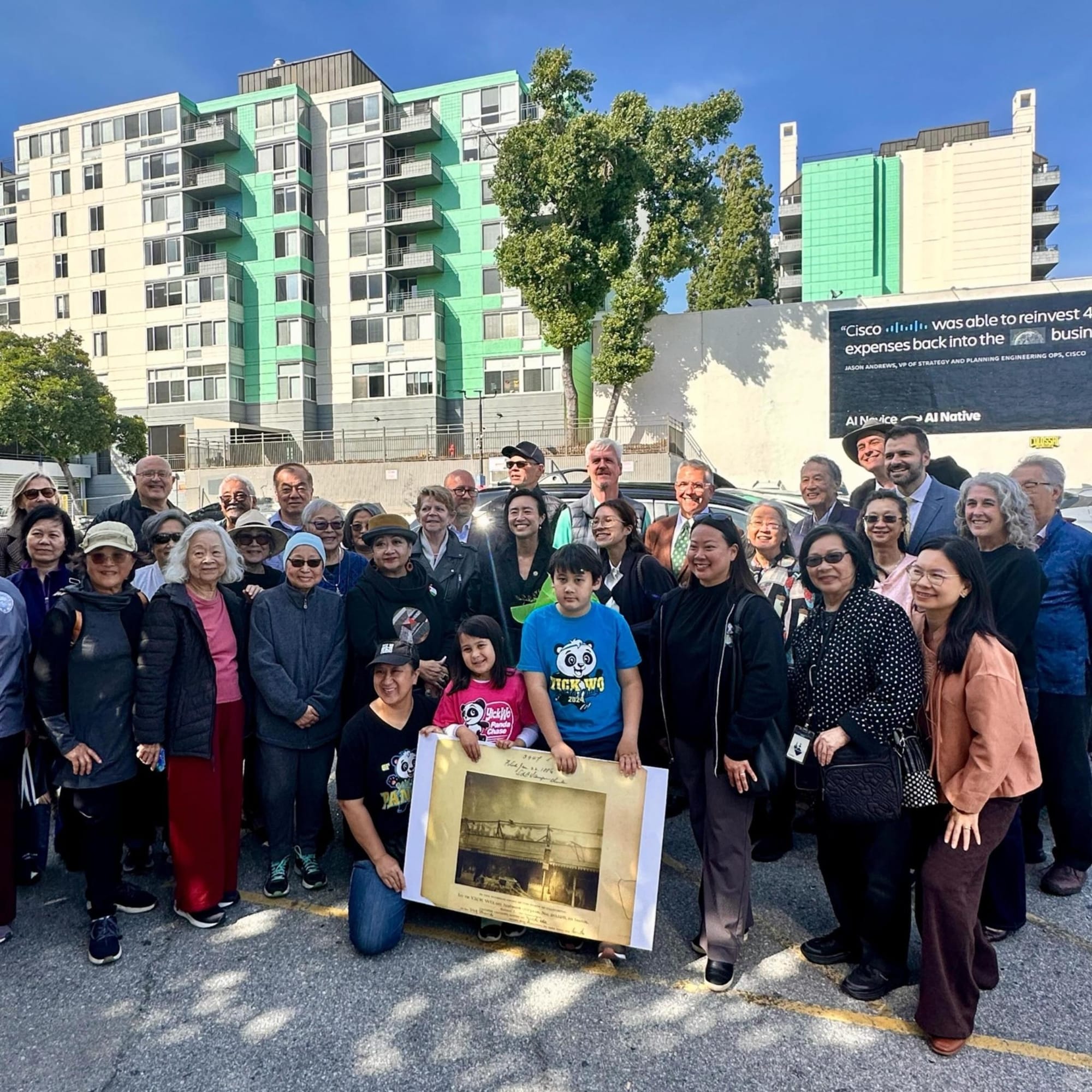
Above: Group photo at Third and Harrison streets with San Francisco Heritage, Chinese Historical Society, city supervisors, and organizational partners on May 11, 2026.
Last week, SF Heritage commemorated the 140th anniversary of landmark case Yick Wo vs. Hopkins with the Chinese Historical Society of America, partner advocates, and local officials in the South of Market parking lot once home to Lee Yick's laundry. In the 1880s, Yick's right to operate the business in the face of a racist city ordinance formed the heart of a US Supreme Court case that ultimately ensured equal protection for all under the law.
This was no small feat, and the successful turnout and support of our small event almost a century and-a-half later reinforced the importance of marking this site with something worthy of its significance. With assistance from San Francisco Heritage, Supervisor Dorsey, who oversees the South of Market, introduced an ordinance yesterday to build on this momentum and declare the city's intention to support this effort.
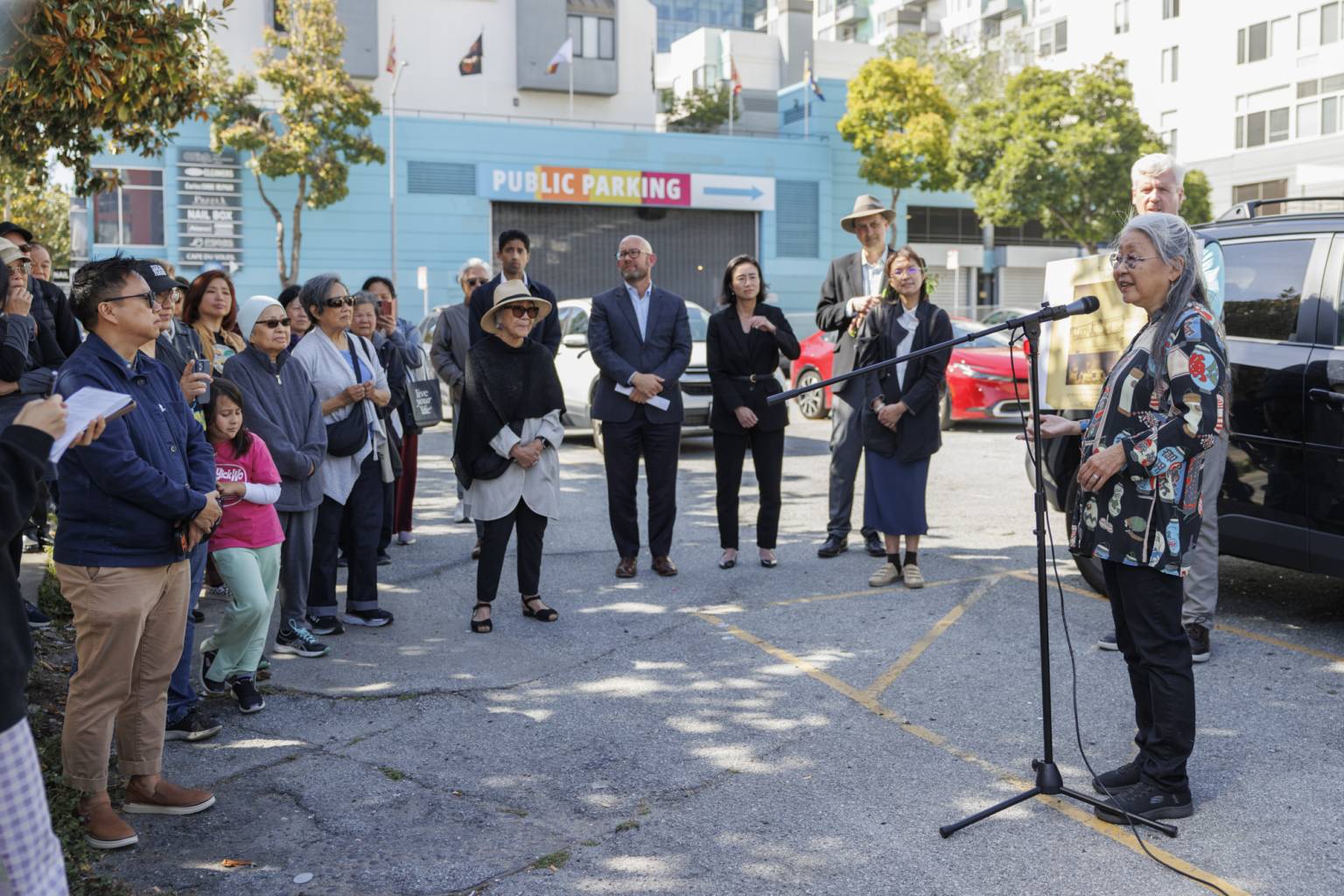
SF Heritage's work in historic preservation recognizes places that reflect our collective histories, even if there are no physical structures left to preserve. The open-air parking lot where we gathered last week is an example of a site that San Francisco should not only be proud to honor, but to elevate for its national significance.
Housing is planned for the parking lot site, and we are reaching out to the developer as a next step in exploring a collaboration on interpretive material as part of that project.
Check out coverage of our event and site recognition efforts in this piece by KQED, and video from KPIX/CBS News.
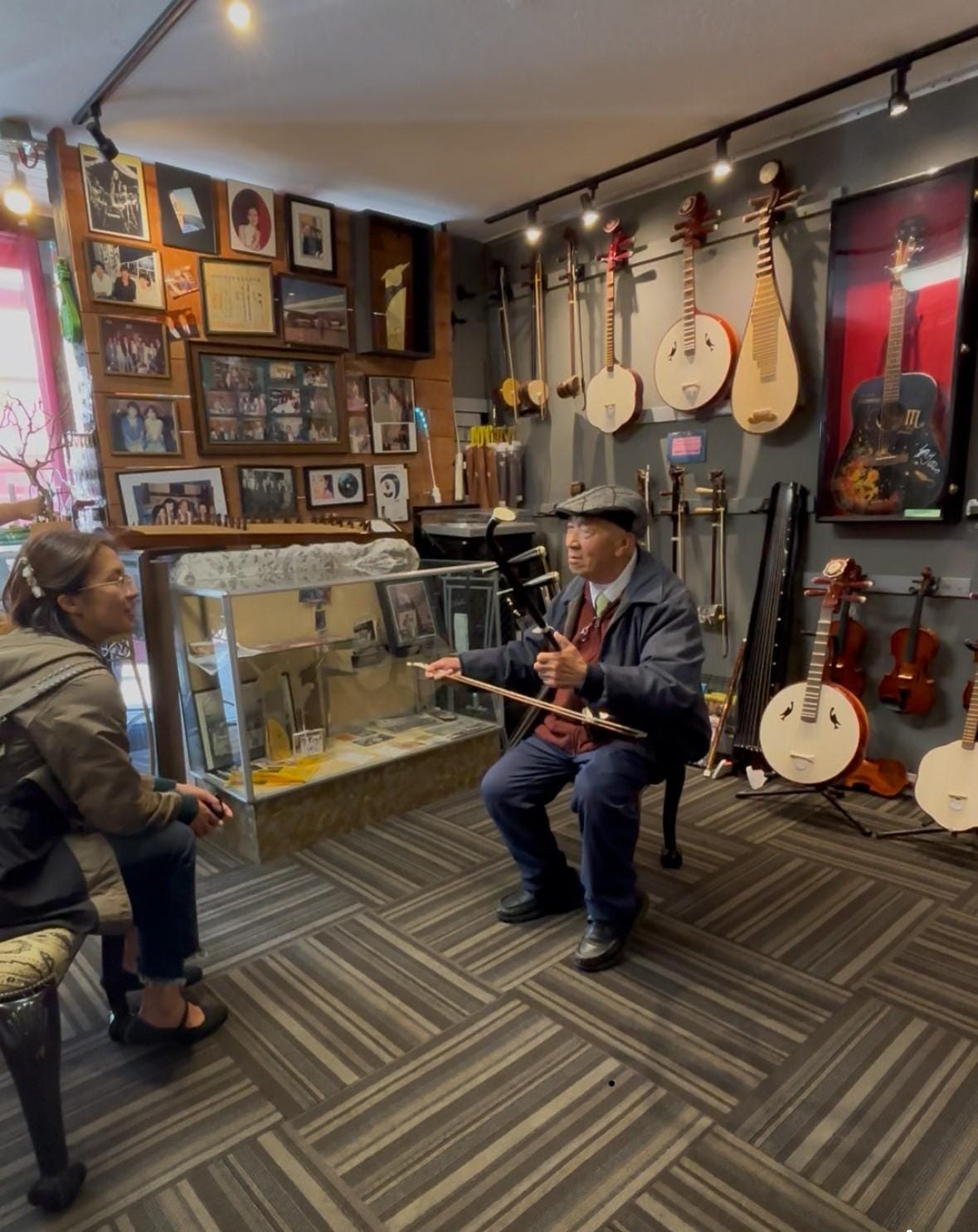
Remembering Kenneth Leong
a Chinatown legacy
Above: Kenneth Leong plays his erhu for Kerri on June 11, 2025. It "brought him great happiness" to see himself featured in the [SF Heritage] newsletter.
Kerri: This month, we were told by daughter Lillian that Kenneth Leong, the longtime proprietor of legacy business Ellie and Eva Company (709 Jackson Street) in Chinatown, had passed away at 96 years of age.
I had the privilege of visiting Kenneth, Lillian, and son Alan at the shop last year, where I covered the over 50 year legacy of this community business for SF Heritage News. Kenneth, who opened the shop with his wife Louise in 1970, transformed it from a store selling imported goods from China (think Chinese jackets, vinyl records, mahjong sets, and snacks) to a beloved neighborhood music store.
Today, Ellie and Eva is the only music store in Chinatown, selling acoustic guitars, violins, and cellos as well as traditional Chinese instruments including the erhu, guzheng, and pipa. Although Kenneth had passed the business down to Alan in 2013, he still showed up regularly to the shop to tune violins and play his erhu for customers and other visitors like myself.
Once I dropped off several copies of the newsletter at the shop, I LOVED seeing this video that Lillian shared of Kenneth signing them before she handed them out to visitors.
Kenneth's was a life well-lived. One of the things that we love seeing when businesses are added to the Legacy Business Registry is the joy it brings to longtime proprietors like him, who viewed designation as being "connected to the history of San Francisco." From his daughter Lillian:
Read the full Community Voices column here and visit the music shop when you are next in Chinatown (they rely on word-of-mouth and don't have a website).
Join at Local Hero or Landmark Club level to get monthly content like this and special access to in-person programs and events.

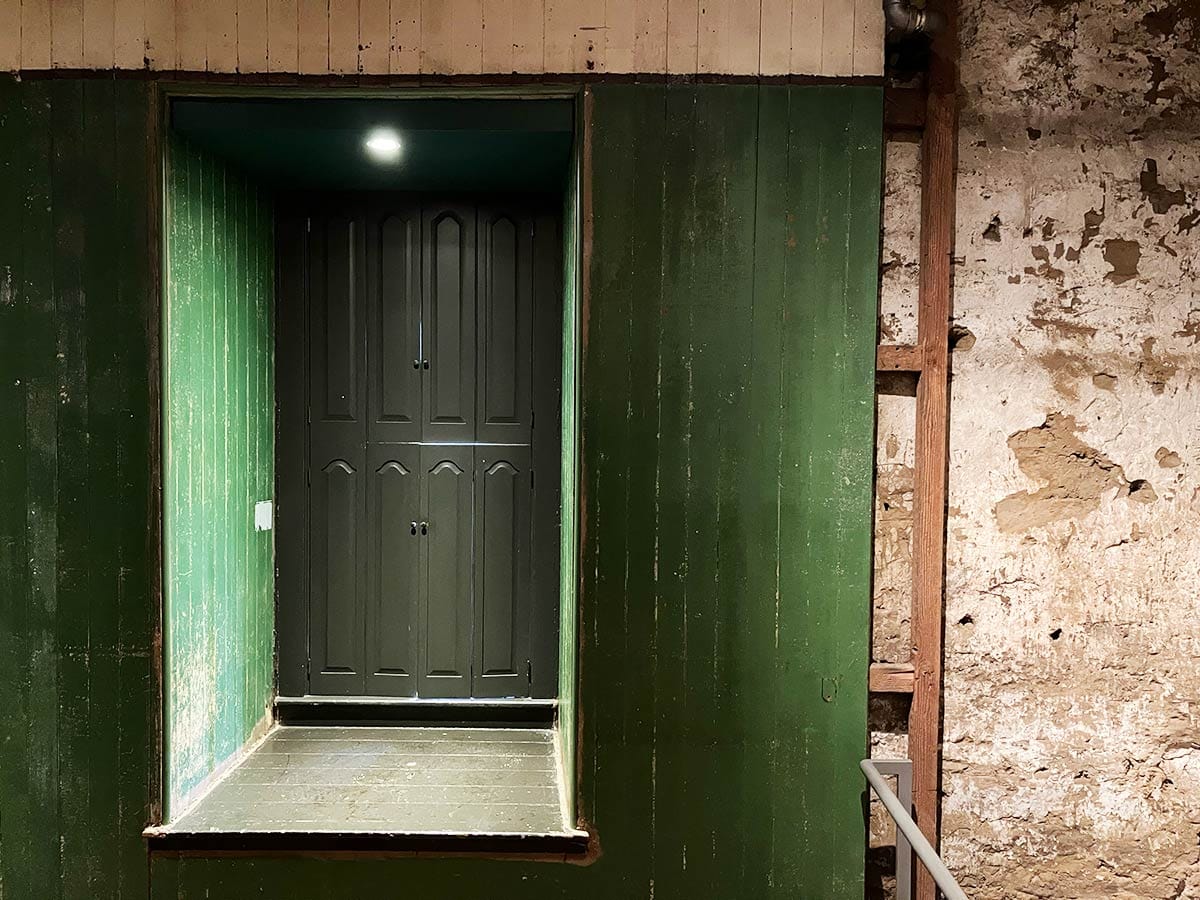
Green shutters
Did you guess where?
Our mystery image in the last Special City email was a view of window shutters and wall inside the Presidio Officers’ Club (Building 50), one of the oldest structures in San Francisco.
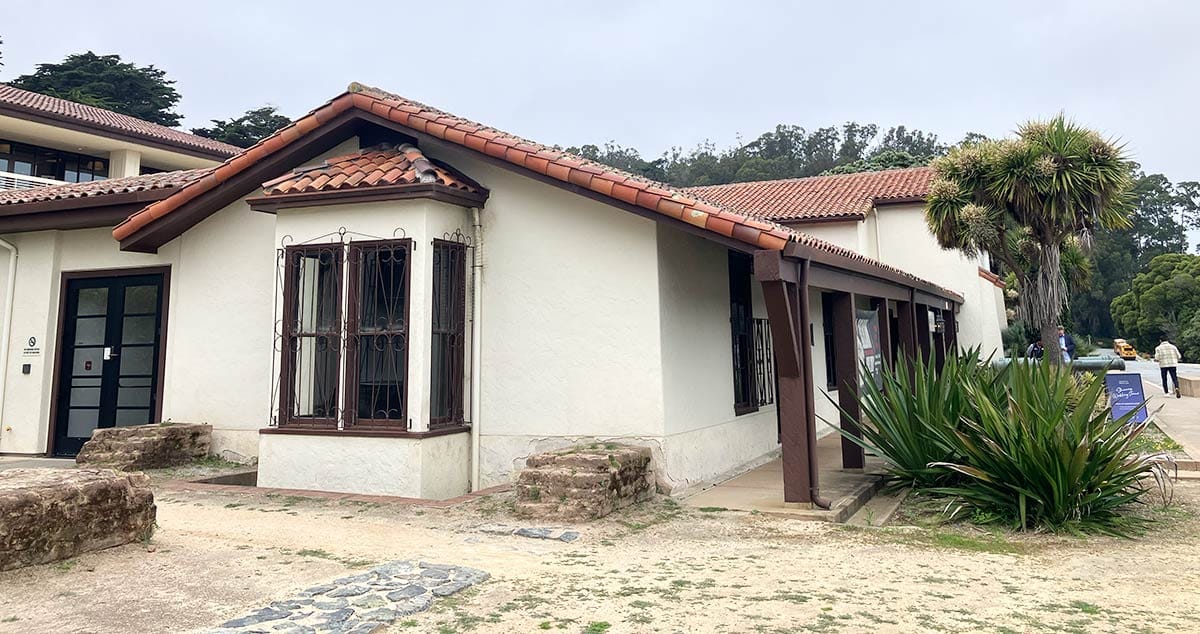
Adobe walls dating back to the Spanish Colonial era were encased and added onto in various ways by the United States Army from the Civil War to the 20th century.
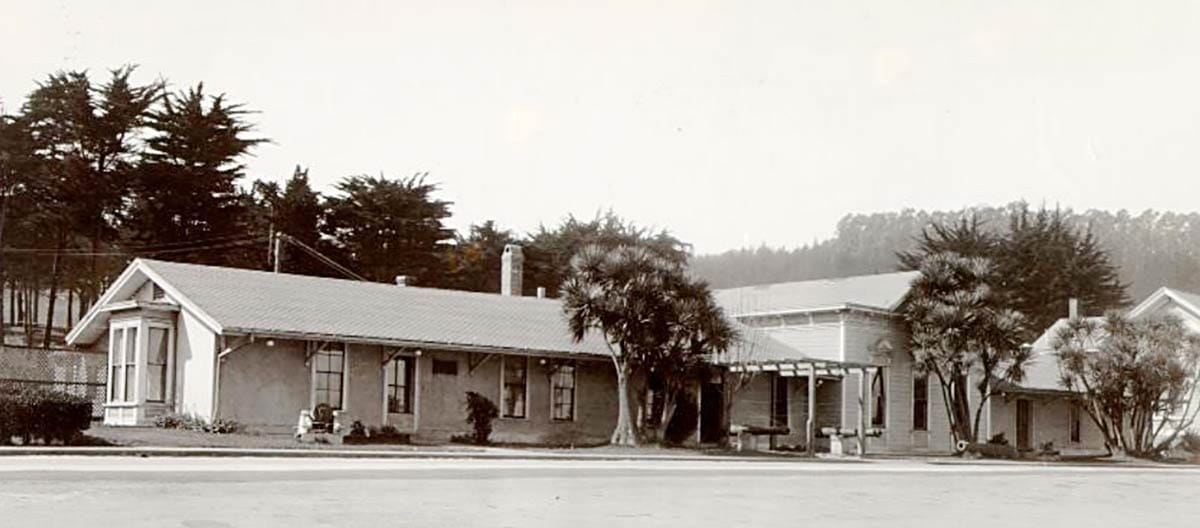
In 1934, with support from the State Emergency Relief Administration and the Civil Works Administration (and overseen by the Army), the building was extensively remodeled in Spanish Colonial Revival style. While such a “restoration” wouldn’t pass modern preservation standards, the 1930s red clay tile and stucco walls are now approaching 100 years of age and have their own historic integrity.
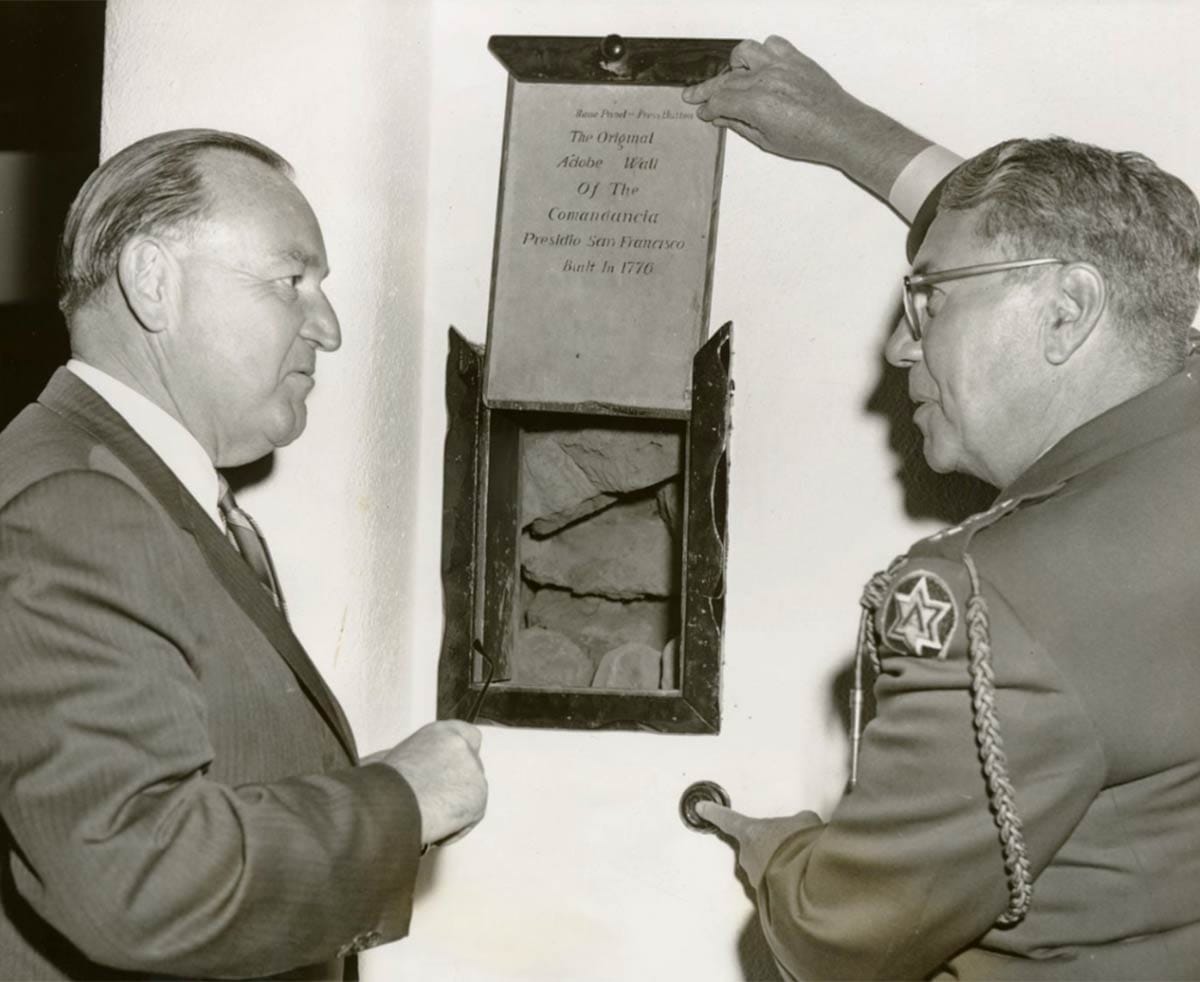
From 2011–2016, the National Park Service and Presidio Trust conducted extensive investigation and preservation work on the interior of the former Officers’ Club. In the Mesa and Anza rooms, the oldest part of the historic building, visitors can take now a free walk through time. Interpretative panels, digital media, and sections of walls are peeled back to reveal earlier eras, cultures, and building materials.
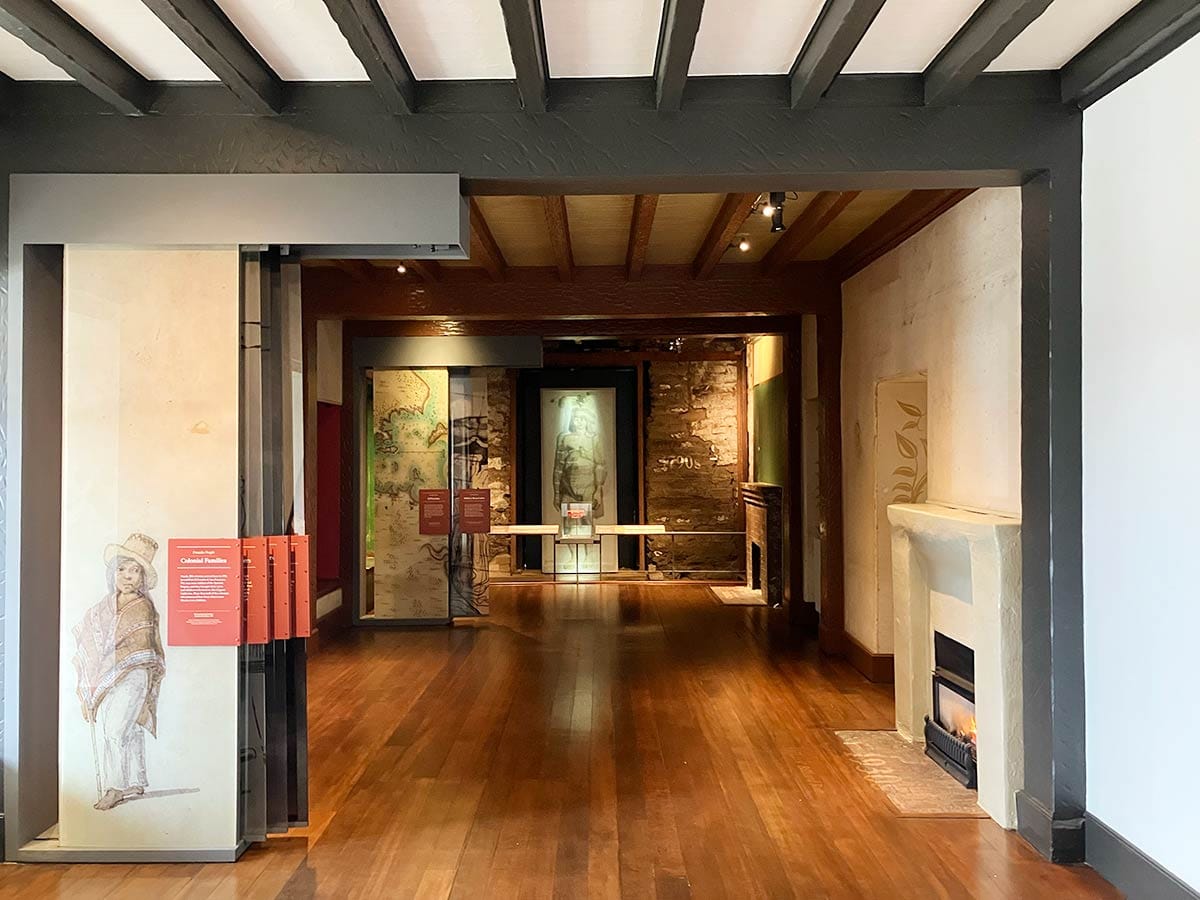
We will share more on the restoration of this amazing structure at our Post to Park gala on June 4, 2026. You can learn even more about the Officers’ Club building as well as other historic sites in the Presidio by securing yourself one of the limited spots on John Martini’s July 19 walk featured in our gala’s silent auction.
Peace Plaza update
The latest reveal
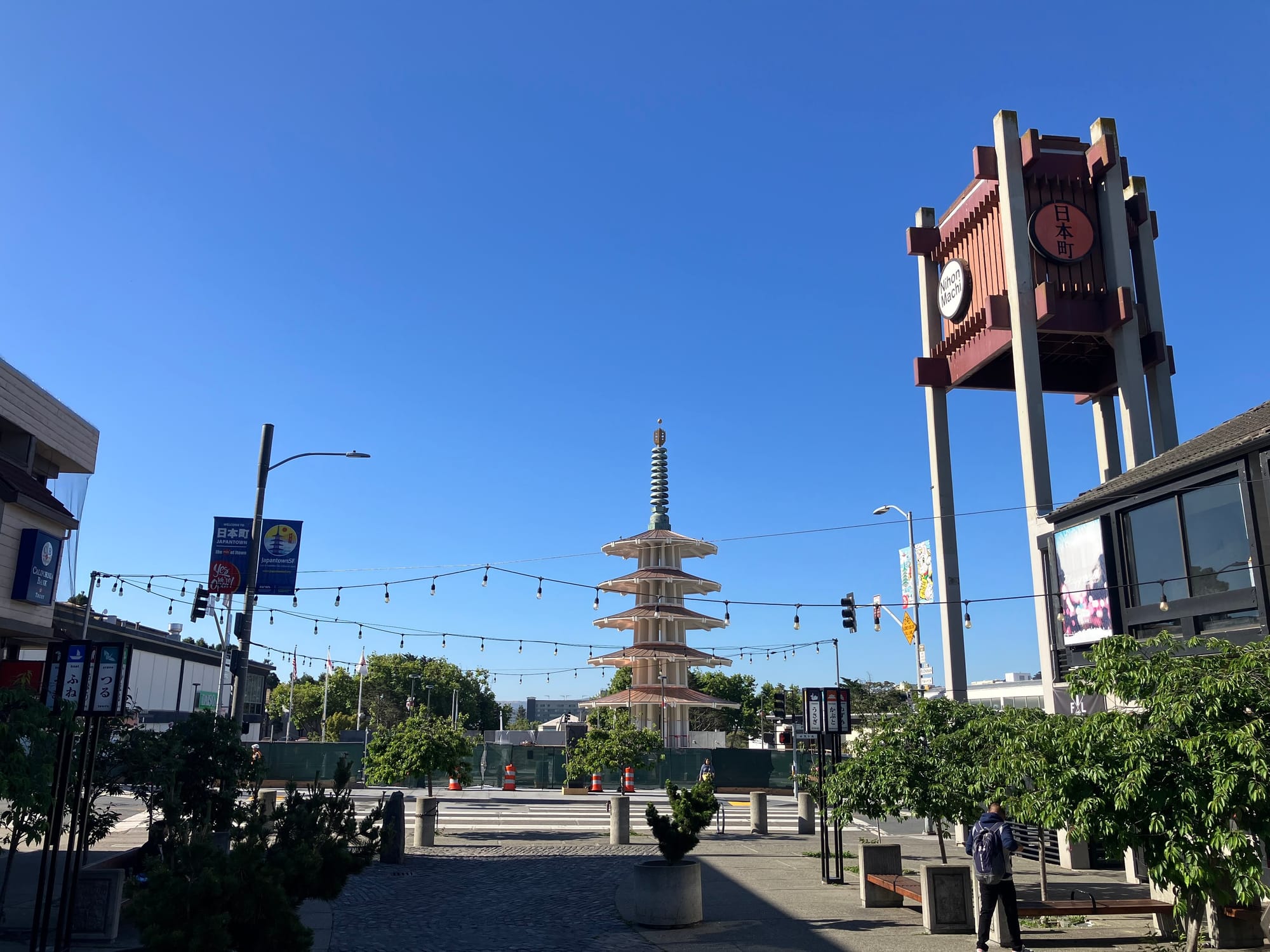
When visiting Japantown recently we were happy to see that the scaffolding and coverings over the Peace Pagoda have come off! It's some exciting movement for this ongoing plaza renovation project. If you look closely you'll see the copper glow reflecting off the new pagoda roofing. Painting is also 90% complete, with more to happen in a month.
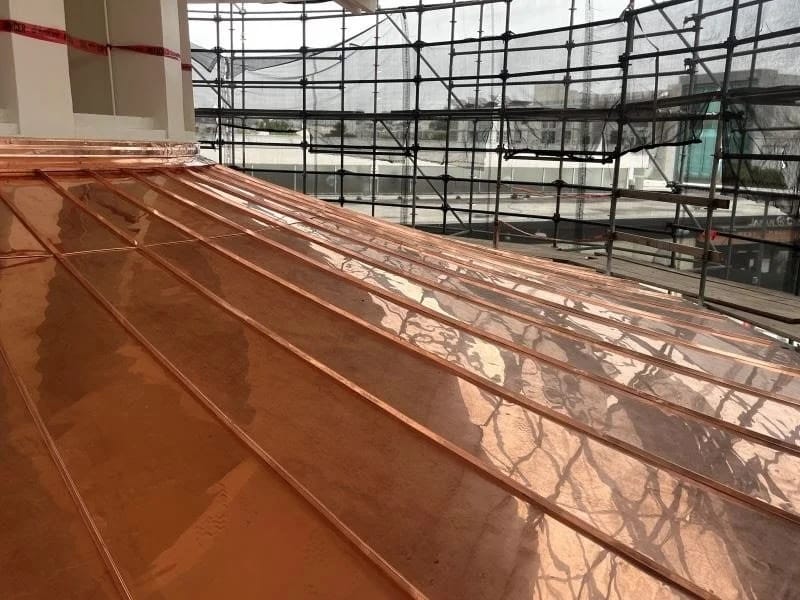
While the project has closed-off access to the public plaza for two years, this has not deterred crowds, which visit the Japantown malls and surrounding businesses in droves each week. Join in on the fun and check out the progress next time you're in the district!
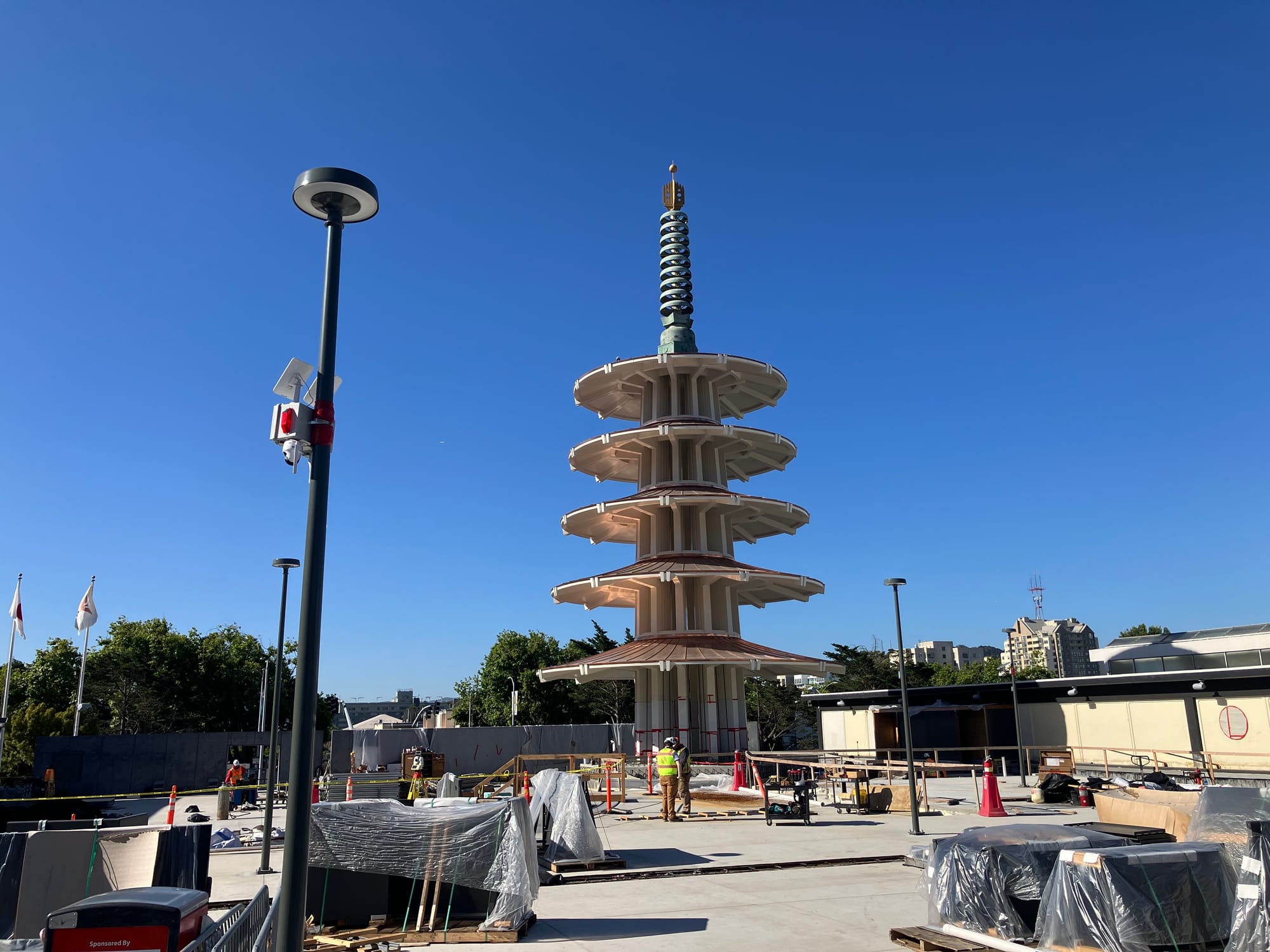
Designed by Master Architect Yoshiro Taniguchi in the Modern style starting in 1968, the Peace Pagoda (and Peace Plaza) is a character defining feature of modern-day Japantown and the Japantown Cultural District. We hope that the city will consider landmark designation for this Category A structure when the renovation project is complete.
Read more updates for the plaza at peaceplaza.org.
Landmarking in District 8
Rural Cole Valley
Today, May 20, 2026, the San Francisco Historic Preservation Commission will hear the next round of city landmarks proposed by board of supervisors president Rafael Mandelman.
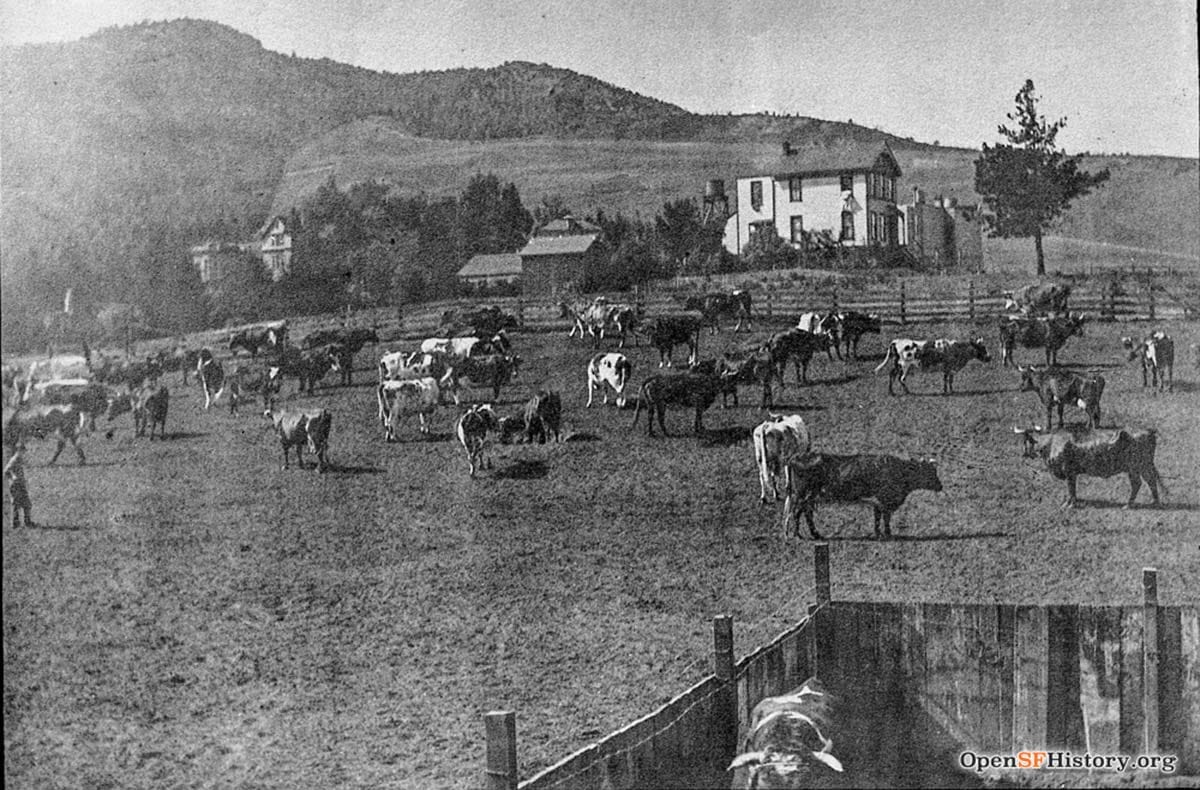
Two of the proposed designations are associated with an era of agricultural and dairy operations in the Cole Valley and Haight-Ashbury neighborhoods: 11 Piedmont Street and 199 Carl Street.
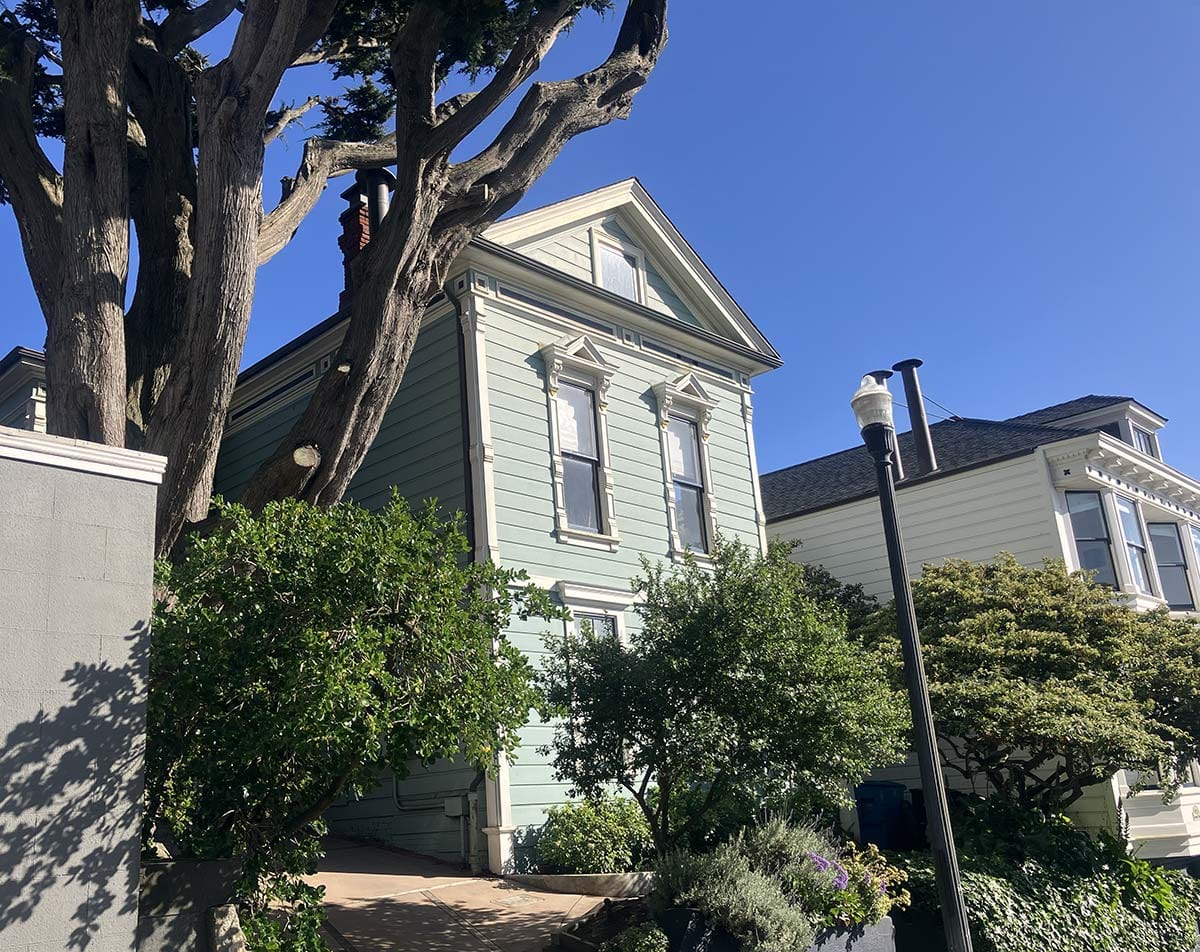
The origins of the Piedmont Street house, tucked on a curving lane of the Ashbury Heights development, may date as far back as the 1860s. In the late 1890s the house was moved here from nearby (stories vary from where), but it stands as a rare survivor from a time when the grassy valley was a landscape of cultivated fields and dairy pastures rather than streets and houses.
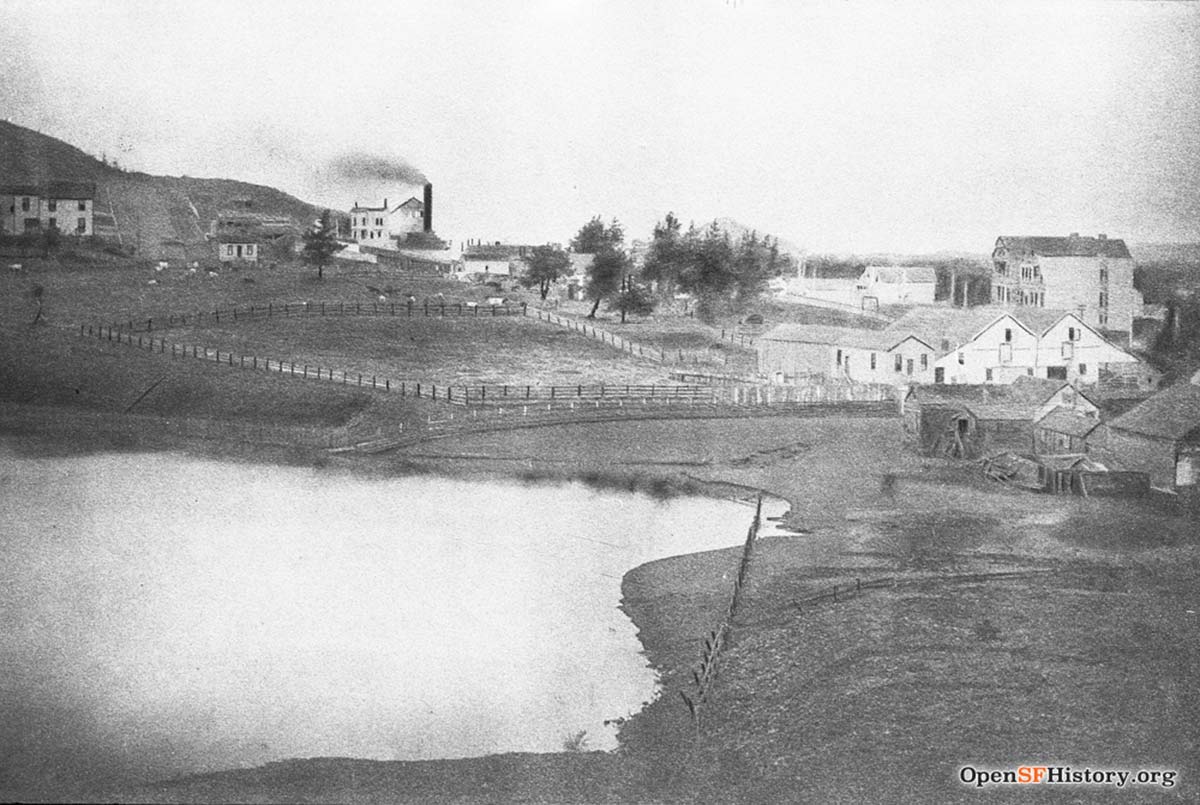
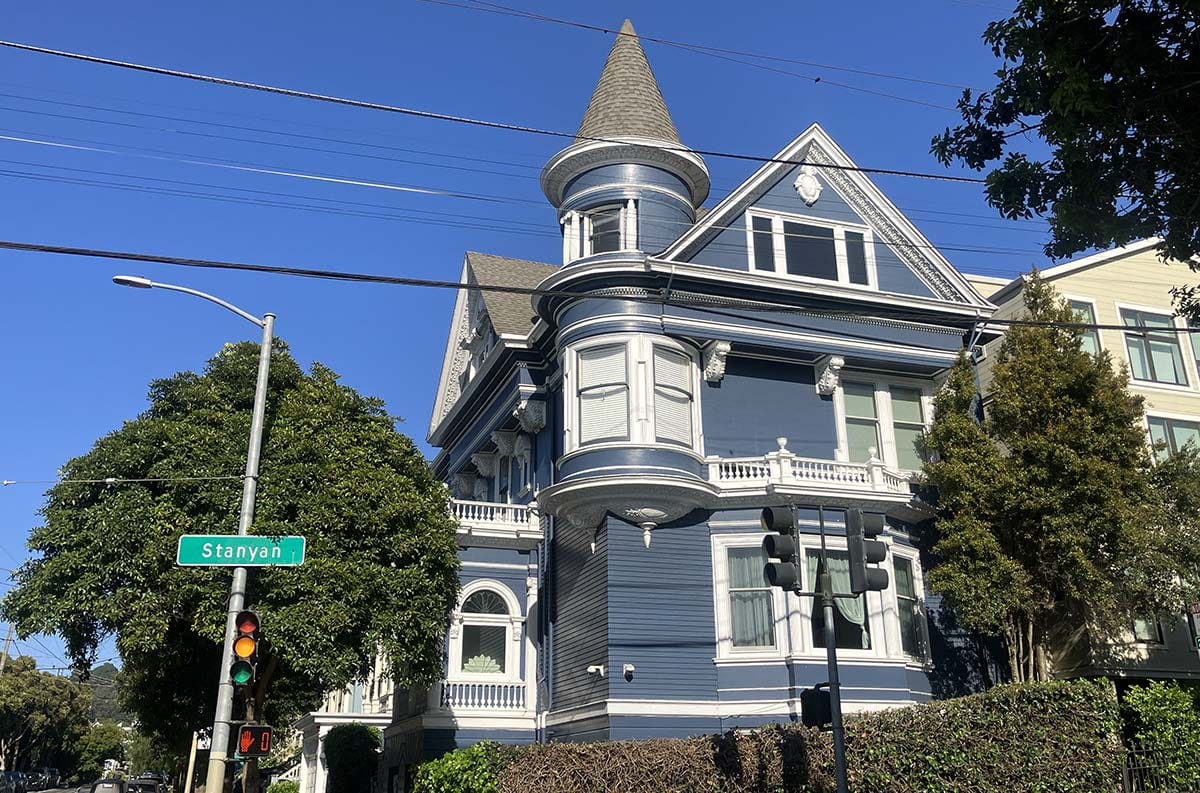
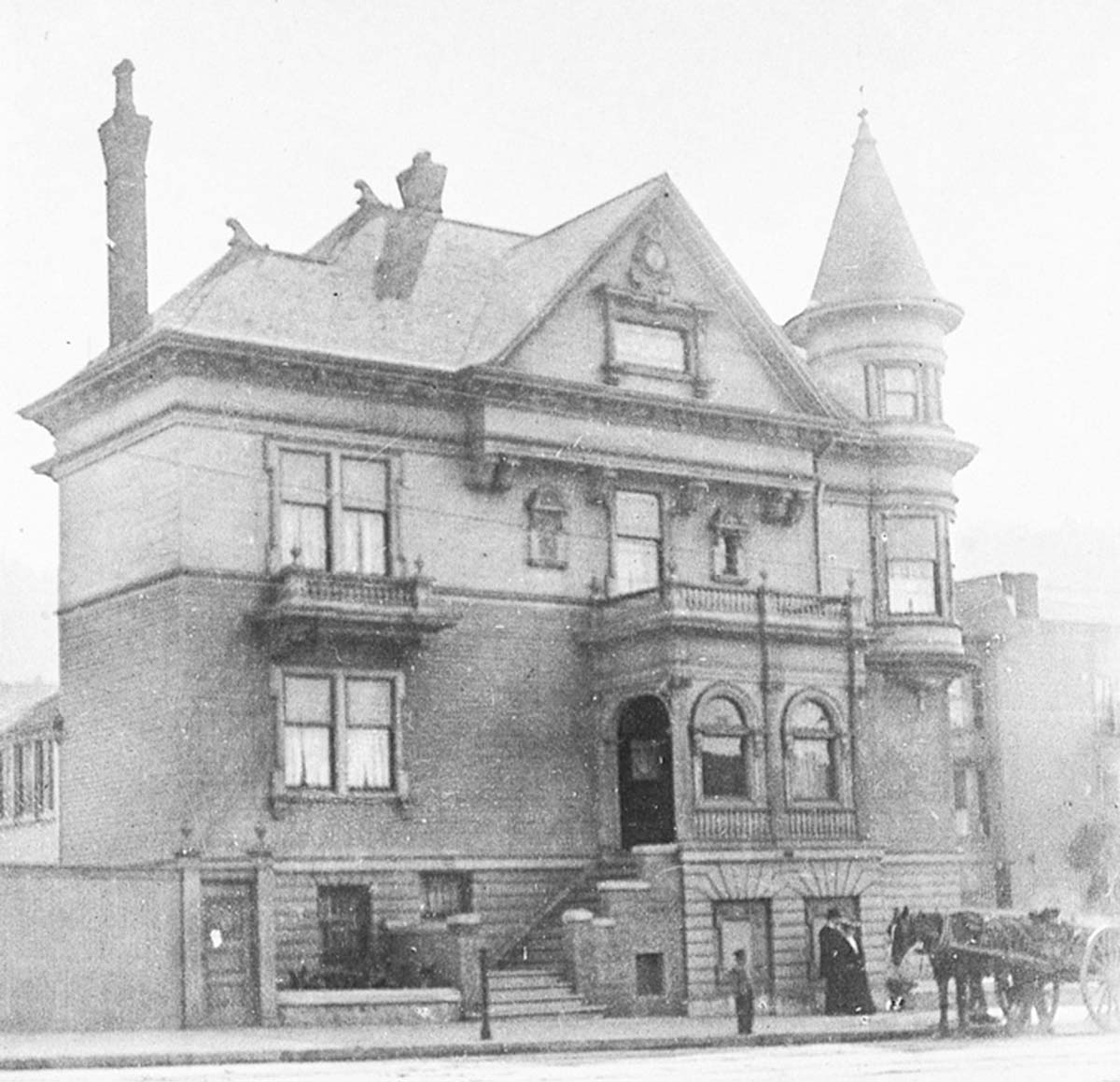
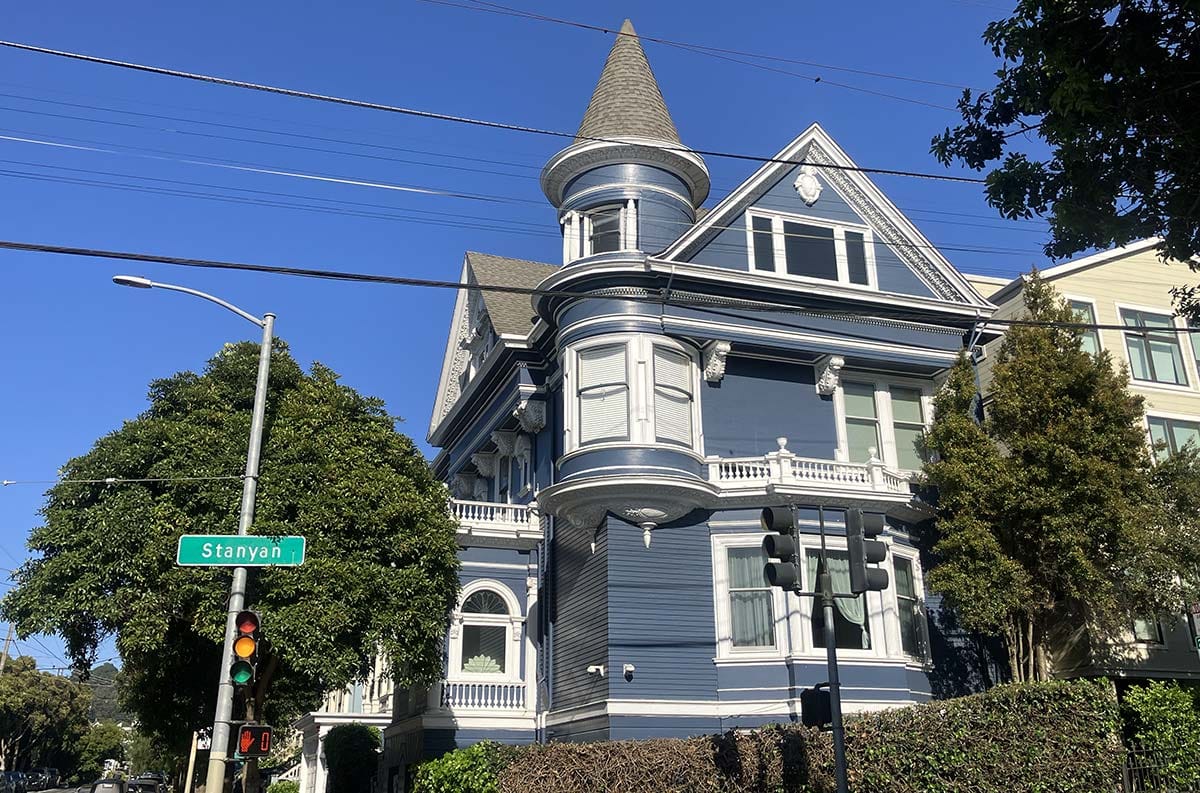
The impressive Queen Anne style home at 199 Carl Street is much grander and dates only back to 1900, but it was constructed for and lived in by the Lange family, who owned an adjacent nine-acre dairy before profiting as land developers when the city expanded west to Golden Gate Park.
The full list of proposed landmark designations is below and San Francisco SF Heritage will testify in support these designations at the commission meeting.
- Alexander Adams Home (1450 Masonic Avenue)
- Charles L. Hinkel Home (740 Castro Street)
- Born Home (99 Divisadero Street)
- Early Haight Ashbury Farmhouse (11 Piedmont Street)
- Charles Katz Home (1200 Dolores Street)
- Duboce Triangle Greek Revival Home (2173 15th Street)
- Elliott M. Wilson Home (1335 Guerrero Street)
- Engine Company No. 44 / Adams Van Hoesen House (3816 22nd Street)
- Fernando Nelson Home (701 Castro Street)
- Richard Spreckels Mansion/Buena Vista Studios (737 Buena Vista Avenue West)
- Mission Congregational Church (3689 19th Street)
- Guerrero Street Double Stick Eastlake House (1415-1417 Guerrero Street)
- Henry Street Rowhouses (191-197 Henry Street)
- Holy Innocents Church (455 Fair Oaks Street)
- De Urioste Home - James C. Hormel Mansion (181 Buena Vista Avenue East)
- John J. Clark House (210 Douglass Street)
- Phoenix Brewery (552 Noe Street)
- Lange House (199 Carl Street)
- Power House (1526 Masonic Avenue)
- Second Church of Christ Scientist (651-655 Dolores Street/93 Cumberland Street)
- William Shaughnessy Home (394 Fair Oaks Street)
- Tietz-Beneke House (657 Chenery Street)
Learn more about individual properties like these by exploring the Planning Department's city survey work at sfculturalheritage.org.

Thank you for reading, and we hope you enjoy Memorial Day weekend! 😄
Founded in 1971, San Francisco Heritage is a 501(c)(3) membership organization that preserves and enhances San Francisco’s unique architectural and cultural identity. Our programs and partnerships interpret, share, and celebrate the shared histories, landscapes, and communities of the city to instill optimism, belonging, and purpose.

Member discussion