
Earthquakes & Car Barns
Happy spring to all our Special City members! April is busy here at SF Heritage, and we hope you’ll join us for an event or two.
Before we jump in, save the date for our annual spring gala and program! Post to Park: The Presidio's 21st Century Preservation Story will take place at the beautifully restored Presidio Theatre (99 Moraga Avenue) on the evening of June 4, 2026. Sponsorships are available now and show-only tickets and silent auction info are on deck for next month.

Disability history made in SF
An eventful April in 1977
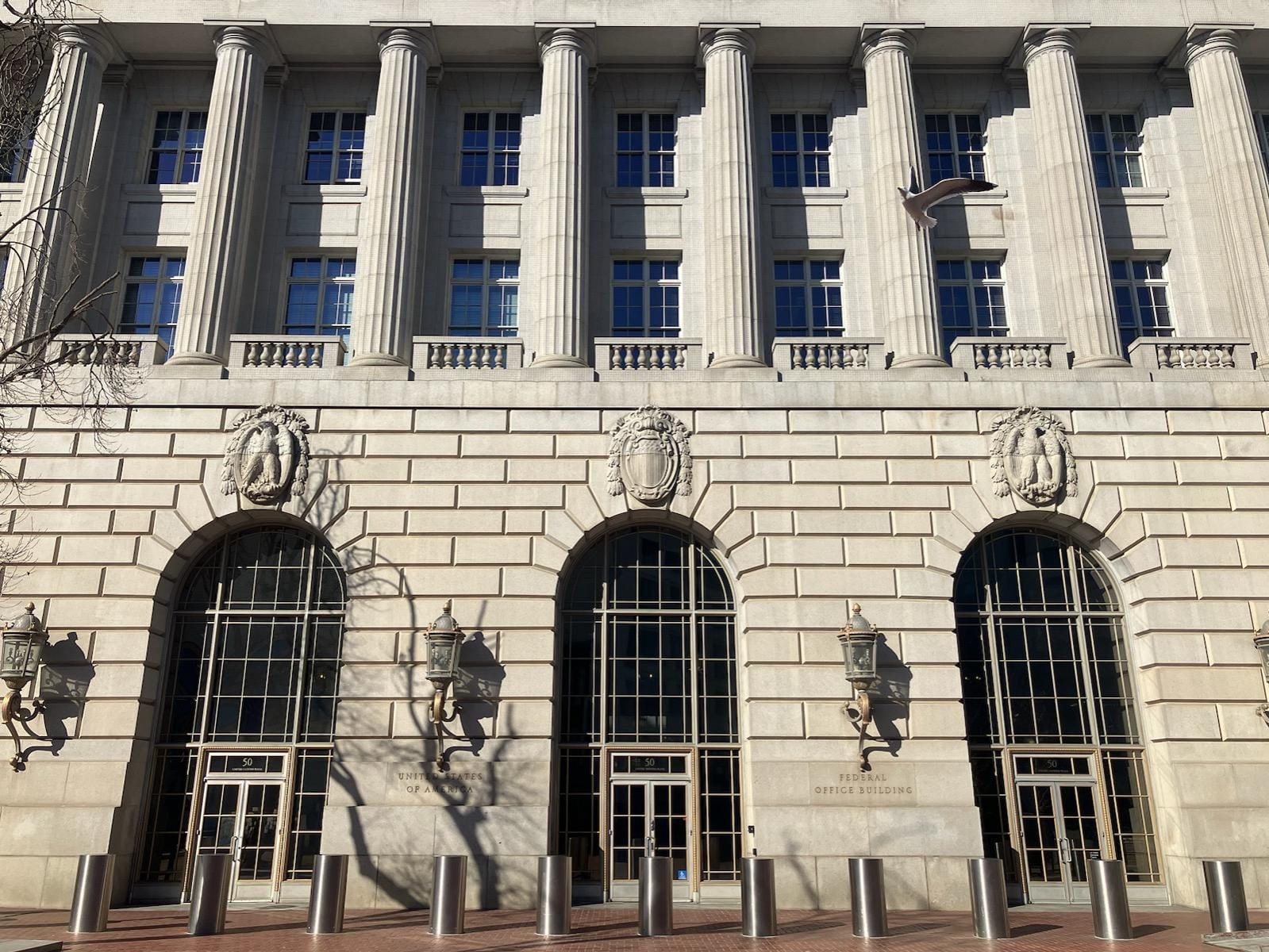
San Francisco’s Federal Building (50 United Nations Plaza), an exemplary French Renaissance-style contributor to the Civic Center Historic District, is an often overlooked site of one of the most significant disability civil rights protests in US history.
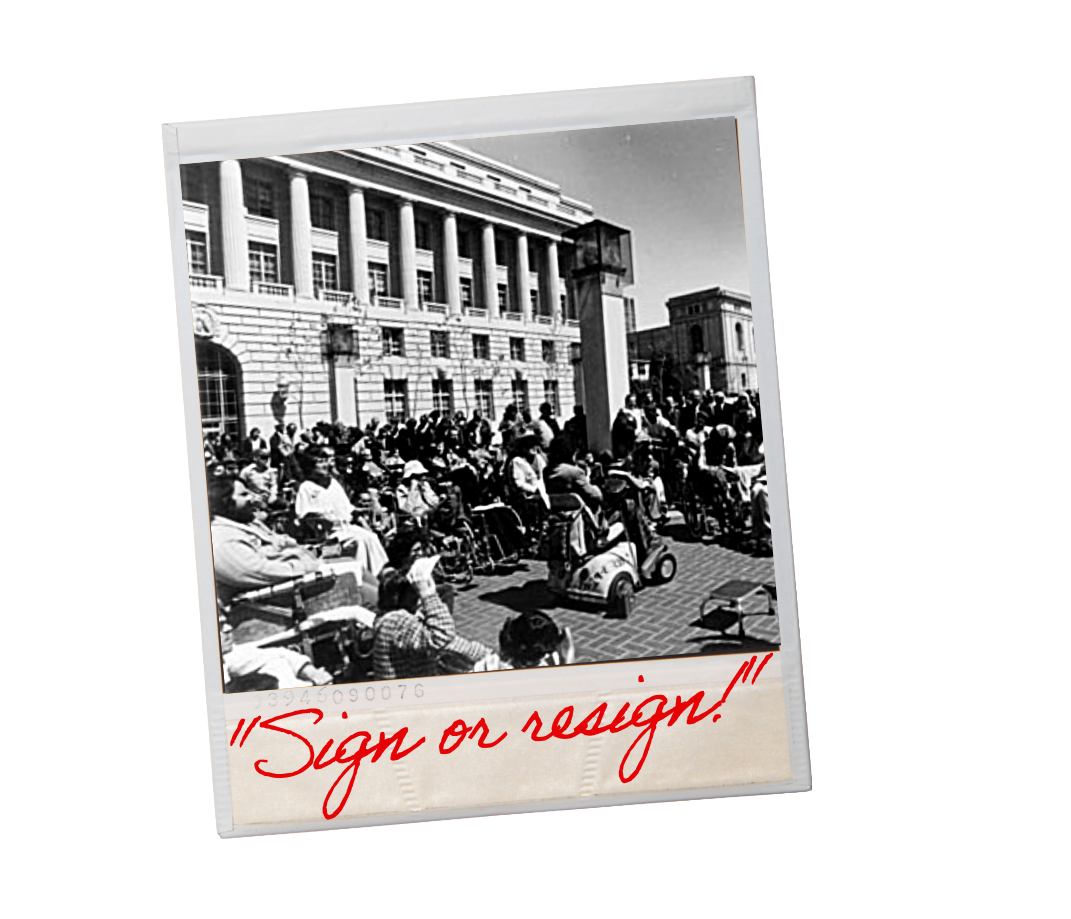
On April 5, 1977, disability rights activists started a 25-day sit-in at the regional Health, Education, and Welfare (HEW) offices inside the Federal Building to demand greater accommodations and accessibilities for people with disabilities.
Section 504 of the 1973 Rehabilitation Act had made it illegal for any federally funded facilities or programs to discriminate against disabled people, but four years later one missing signature stood in the way of the law being fully enforced. Joseph A. Califano Jr., Jimmy Carter’s Secretary of Health, wasn't listening, and activists demanded action.
This was a time when many disabled people could not access basic services like public transit, classrooms, libraries, or even a courtroom to make their case. Nationwide protests were organized outside HEW offices on April 4, but only San Francisco decided to keep the pressure on. Over 120 disabled activists from across the Bay Area entered the federal building and refused to leave until their demands were met.
HEW cut water to the building and the FBI cut off phone service. Deaf protestors signed out of the windows to share and receive information. A supportive mayor George Moscone sent mobile showers into the building and a lesbian bar in Oakland sent shampoo. For many, this was the first time they had slept away from home and interacted with people with different disabilities. Despite extreme hardships, protestors found camaraderie in a camp-like atmosphere where they talked, sang, played games, and made lasting friends.
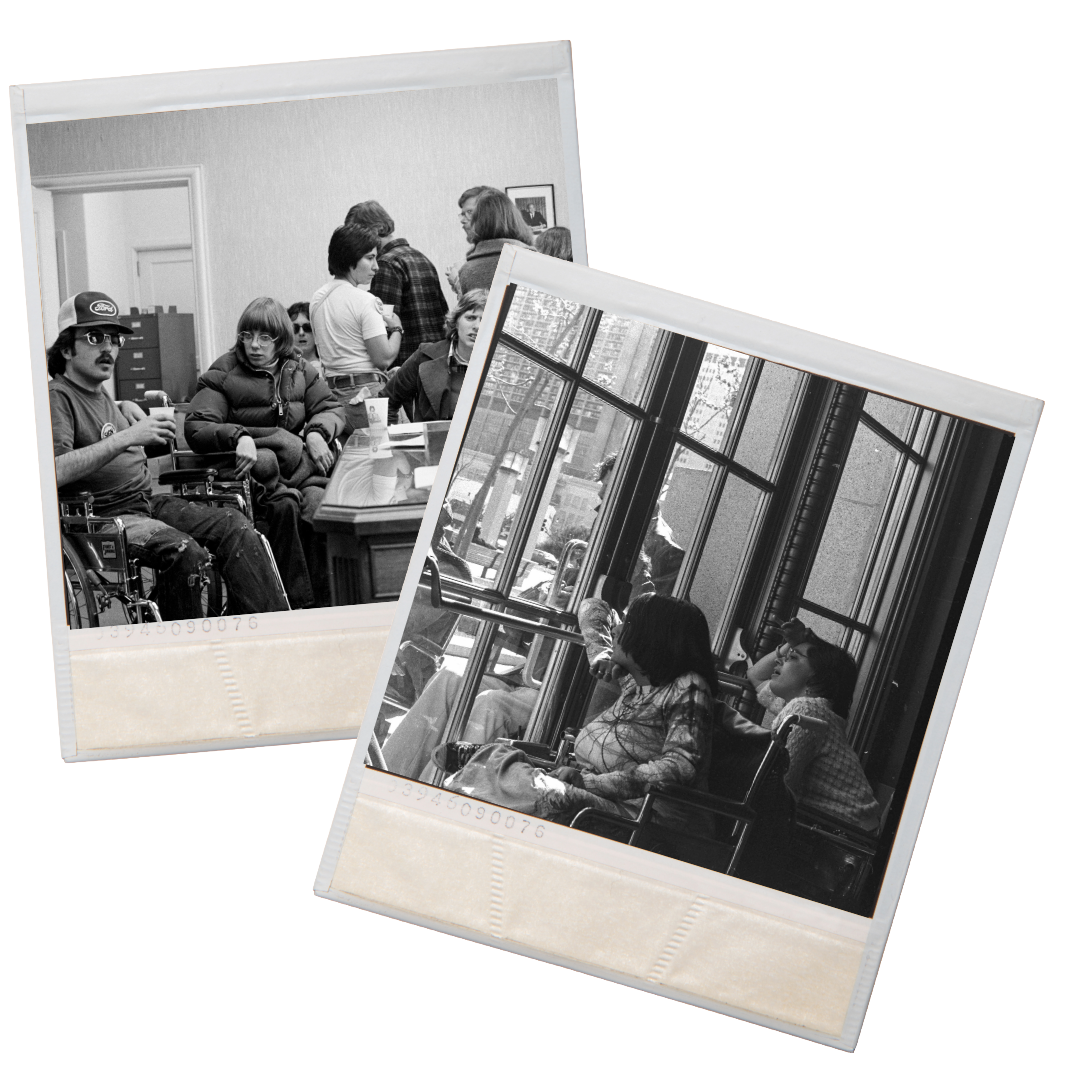
Support for the demonstrators came from unexpected places. The Black Panther Party was one of the many local groups that delivered free food, a moment of cross-movement organizing.
By April 30, 1977, the occupiers emerged victorious after Califano, Jr. finally added his signature to the Section 504 regulations. The longest unarmed take-over of a federal building in history sparked the advocacy for and passage of the Americans with Disabilities Act (ADA) in 1990.
The next time you walk past this beautiful Civic Center building, send your good wishes back to the people who helped change the narrative and implement meaningful change.
Read more about the 504-Sit-in in this piece on FoundSF, and watch a clip of life inside the Federal Building from the Academy-Award nominated Crip Camp (2020):
*Film starts at Section 504 sit-in segment.

Things to do (part 1)
Exemplifying survival at the Haas-Lilienthal House
This month, we have not one but TWO ways to engage with the 120th anniversary of the great 1906 earthquake and fire.
The first is for you history buffs and home-bodies: a free virtual program focused on 1906 earthquake relief cottages with SF Heritage’s Woody LaBounty on Wednesday, April 15 at 6:00 pm.
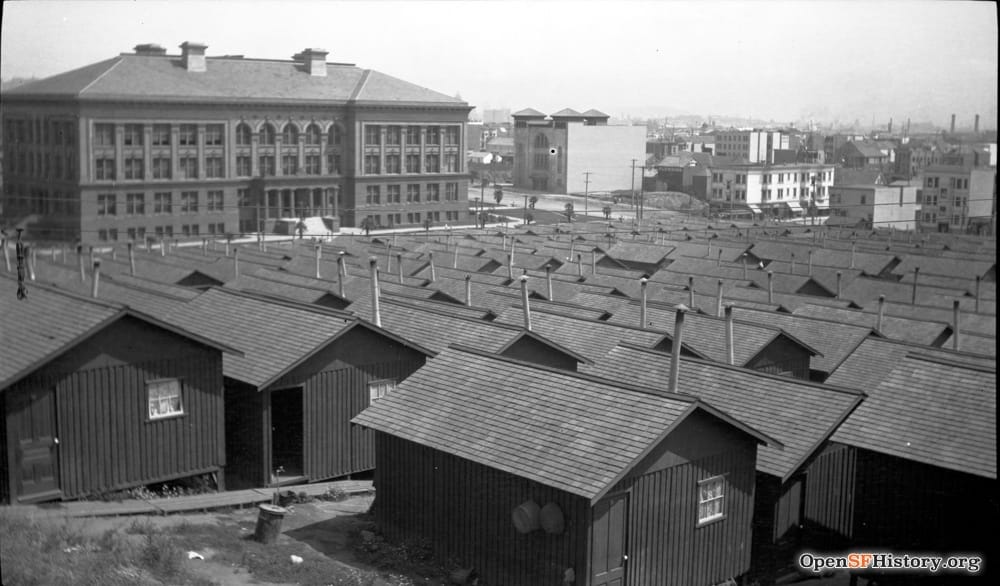
Using historical photos, maps, and ephemera, the presentation will show the magnitude of the disaster and the innovative relief plan designed to provide shelter for more than 16,000 refugees in city parks. A virtual tour of the surviving “earthquake shacks” in the city—over 5,600 were originally constructed in 1906— and a checklist for identifying these unique remnants of San Francisco history will also be part of the program.
Registration is now open: sfheritage.org/events/virtual-earthquake-shacks-history-program/
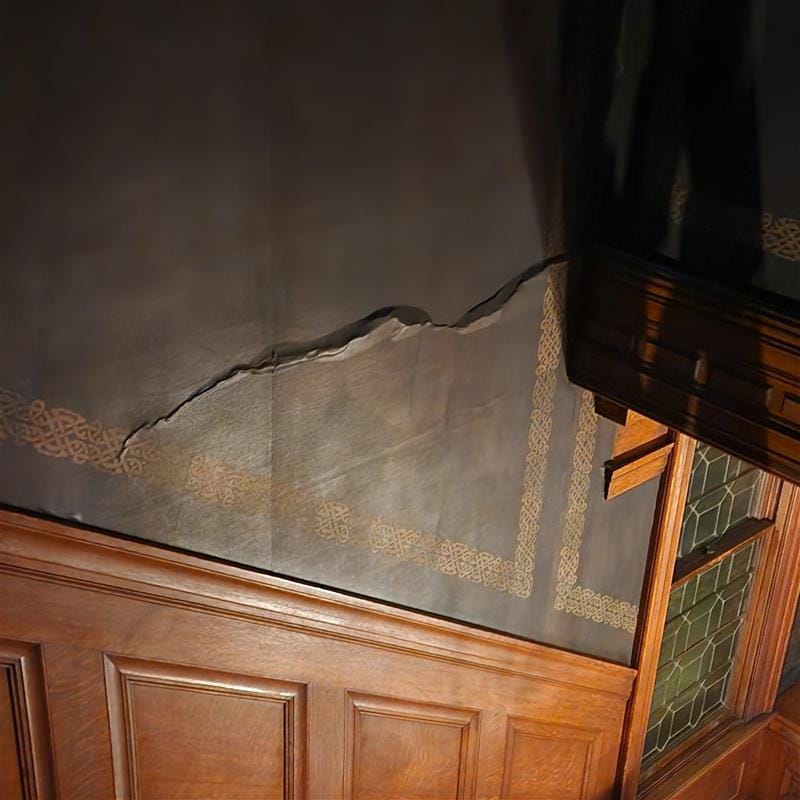
If you want some history with a dramatic flair, come to Shaken: But Standing Strong! at the Haas-Lilienthal House (2007 Franklin Street) on Friday, April 17 and Saturday, April 18. Partnering with The Gregangelo Museum, a fellow landmark and legacy business, we will bring to life a story of survival with a creative twist.
The team at the Gregangelo Museum is known for blending performance, art, and human connection in a truly unique San Francisco environment. A special immersive musical performance will tell the story of the Haas-Lilienthal House’s survival of April 18, 1906 and its history up to the present day.
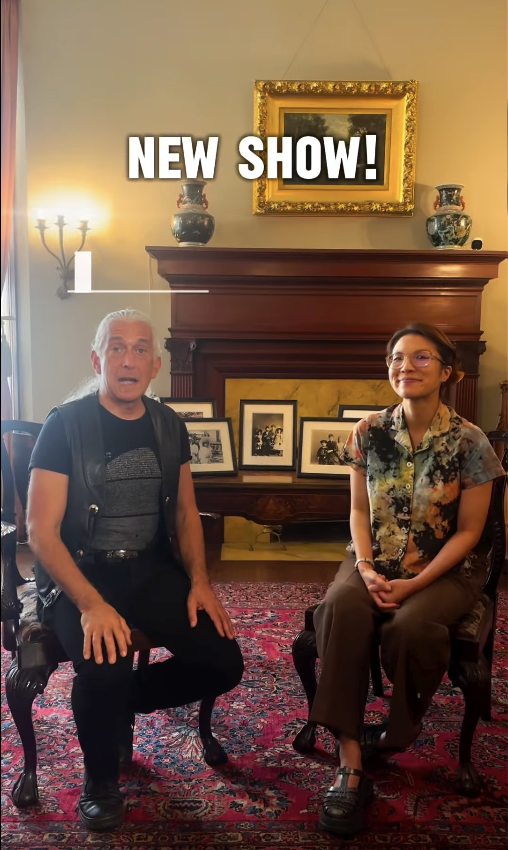
Your ticket gets you a sparkling drink, a seat at this intimate program in the house parlors, and a special tour with SF Heritage’s knowledgeable docents.
Advance tickets for Shaken: But Standing Strong! are now available. Space is limited! https://bit.ly/416mjsV

Things to do (part 2)
A 125th birthday party
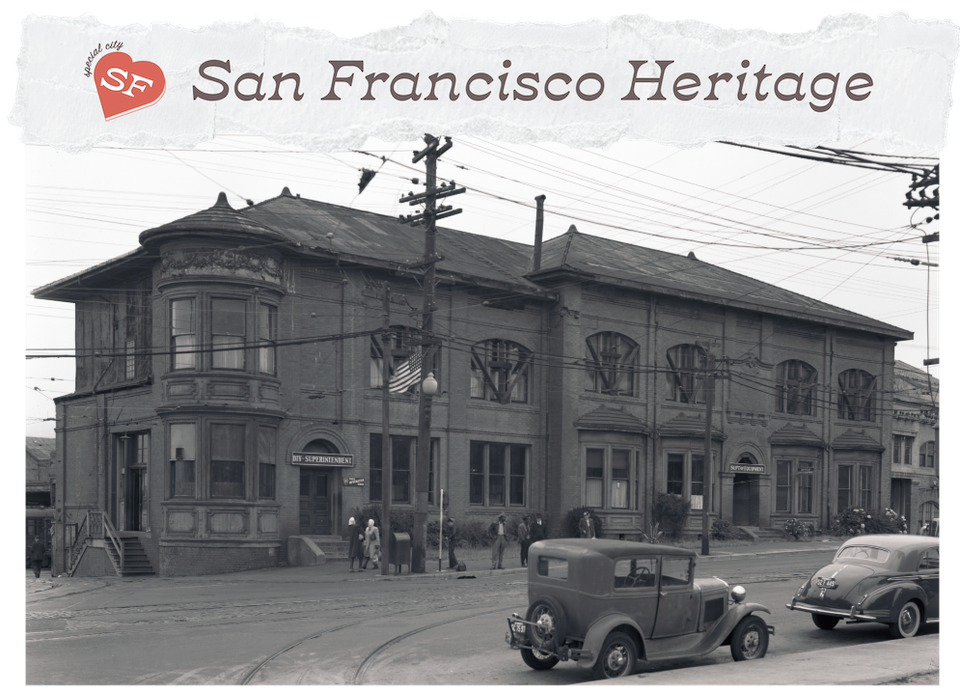
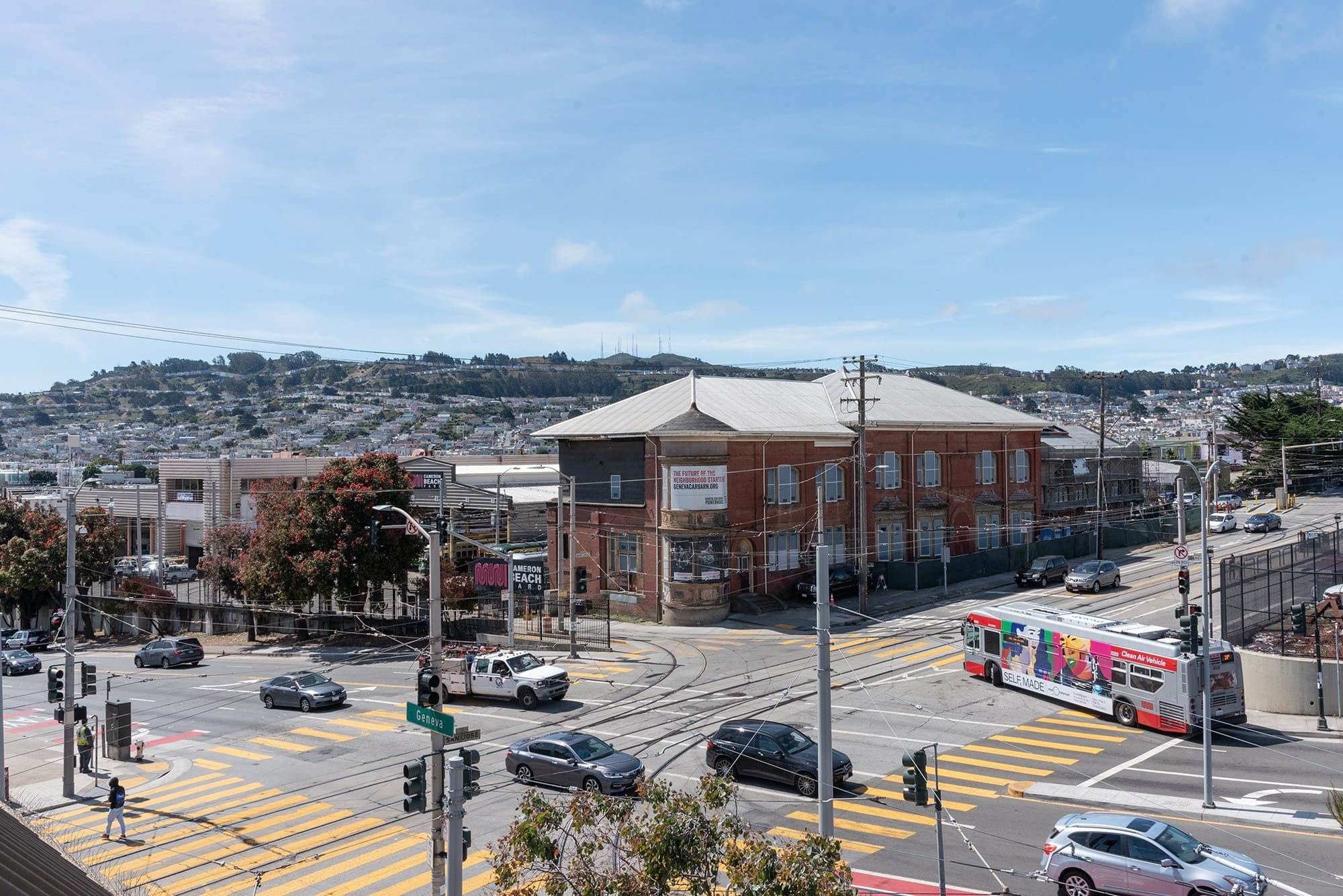
There’s even more! SF Heritage is excited to partner with the nonprofit Friends of the Geneva Office Building & Powerhouse for a free celebration and Page Memorial Lecture on the Geneva “Car Barn” on Wednesday, April 22, 2026 at 6:30 pm.
The nationally designated landmark near Balboa Park will turn 125 years old the day of the event, and we’d like you to be there. Woody LaBounty will give an illustrated presentation on the building’s history, the long fight for its preservation, and what’s next inside the complex’s restored Powerhouse (2301 San Jose Avenue).
The event is also your opportunity to purchase a copy of the new 208-page book commissioned by the Friends in celebration of this underappreciated landmark: Geneva Car Barn: The Past and Future of San Francisco’s Geneva Office Building and Powerhouse.
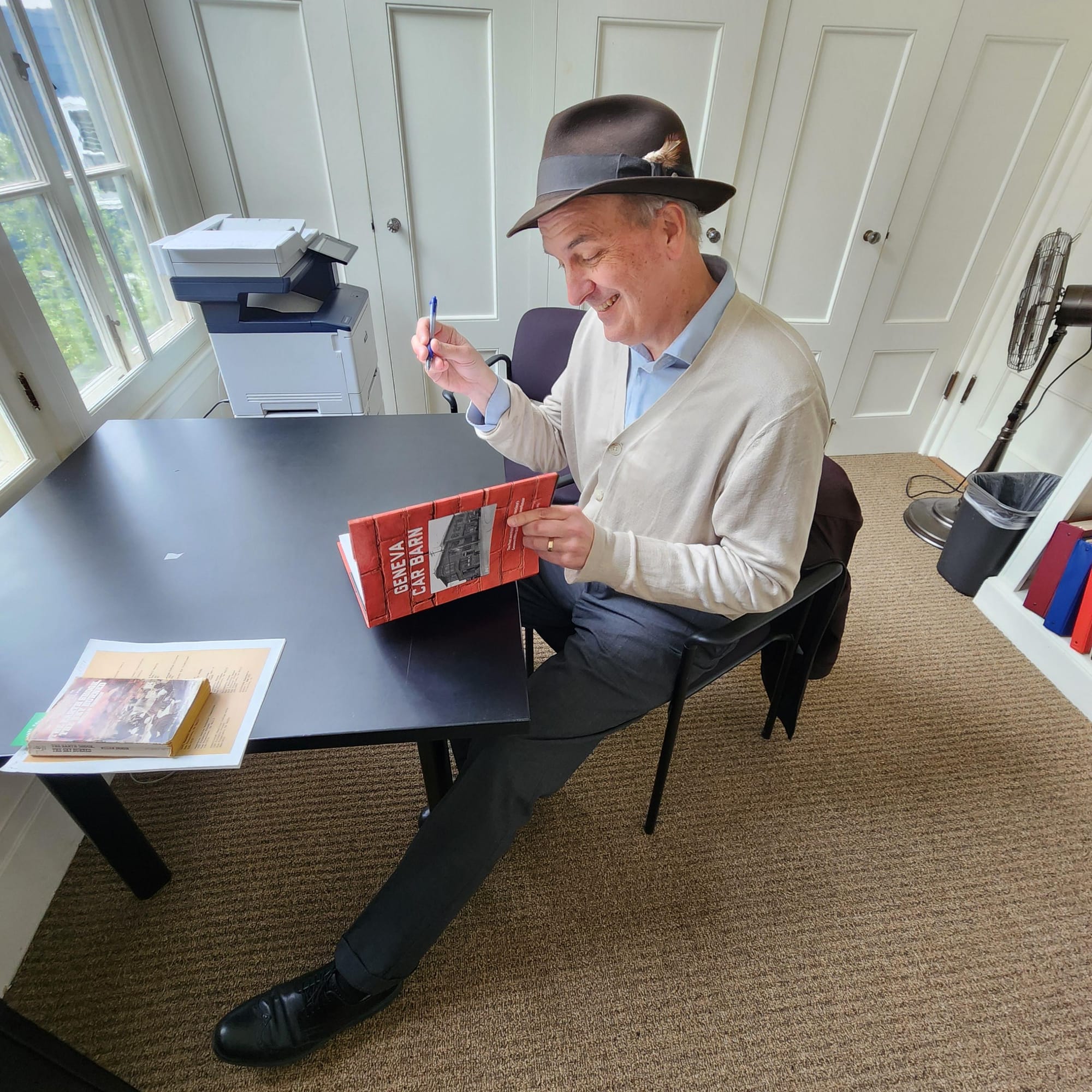
Registration is required to attend. Since sharing with Local Hero and Landmark Club members a few weeks ago we are almost at capacity! Grab the last few spots: sfheritage.org/events/125-years-of-the-geneva-car-barn/
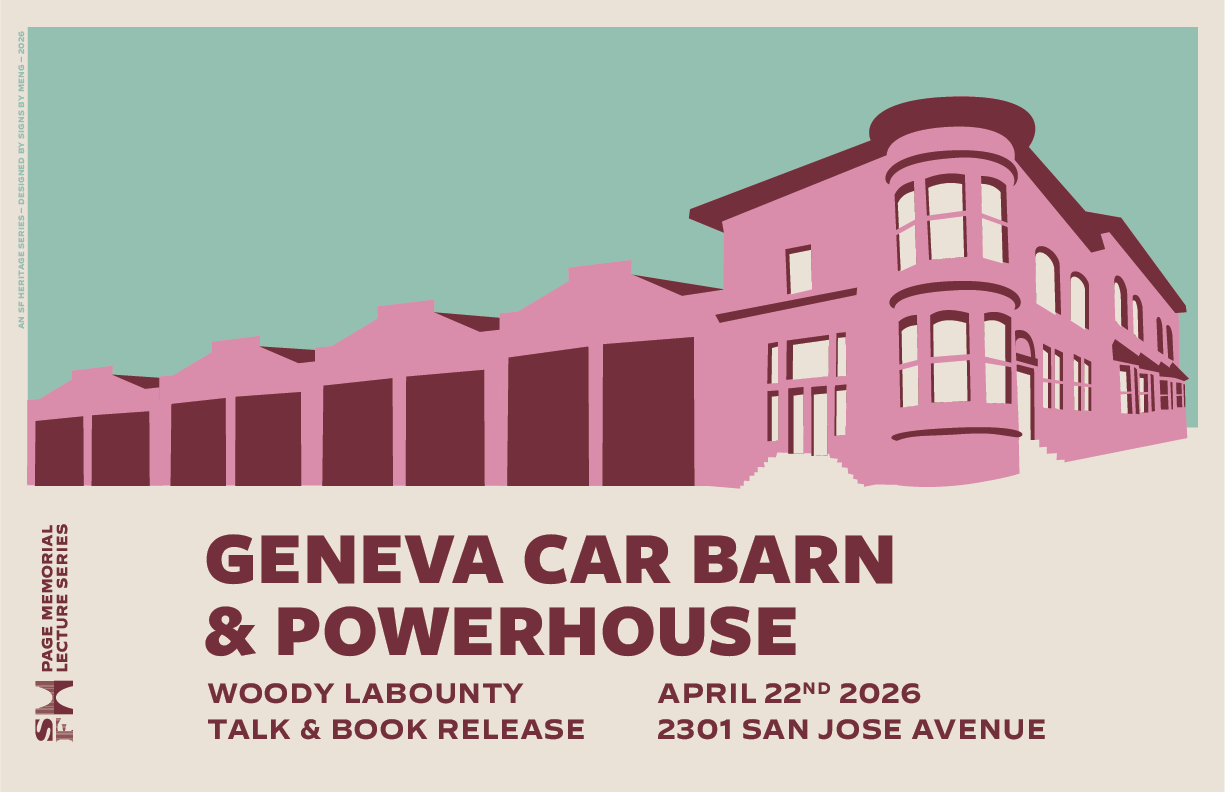
Attending Local Hero members at our April 22 event will receive a limited-edition commemorative Car Barn poster designed by Signs by Meng. Attending Landmark Club members will get a poster AND a copy of the new book. Upgrading gets you these perks plus deeper content dives each month!

Sangria anyone?
meet us in the Haight
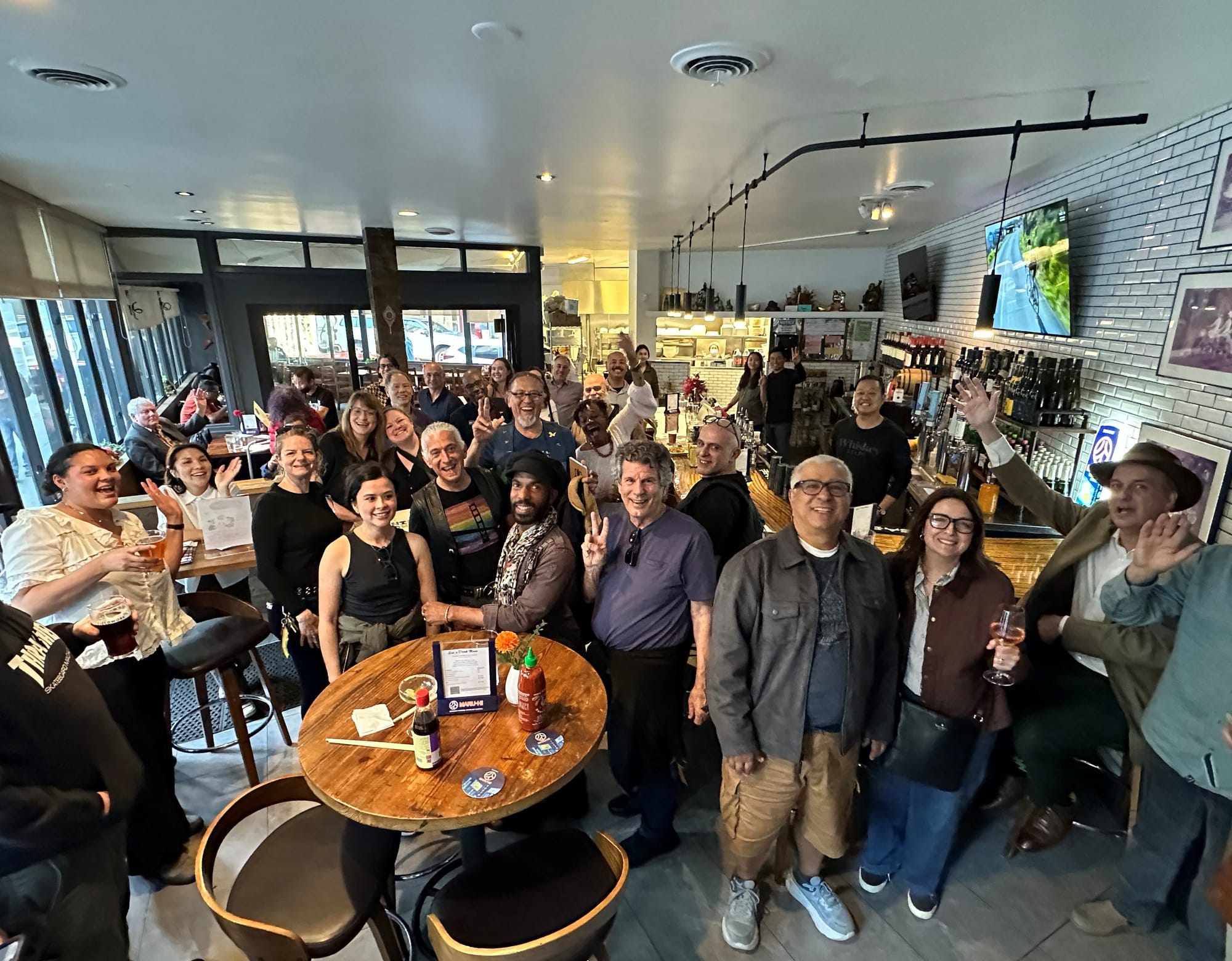
Last month’s Heritage Happy Hour at Sai’s Vietnamese Restaurant (42 Columbus Street) was wonderful. Thanks to owner Charles for sharing some delicious apps! Be sure to return to Sai’s for tasty and affordable noodles, rice dishes, and soups.
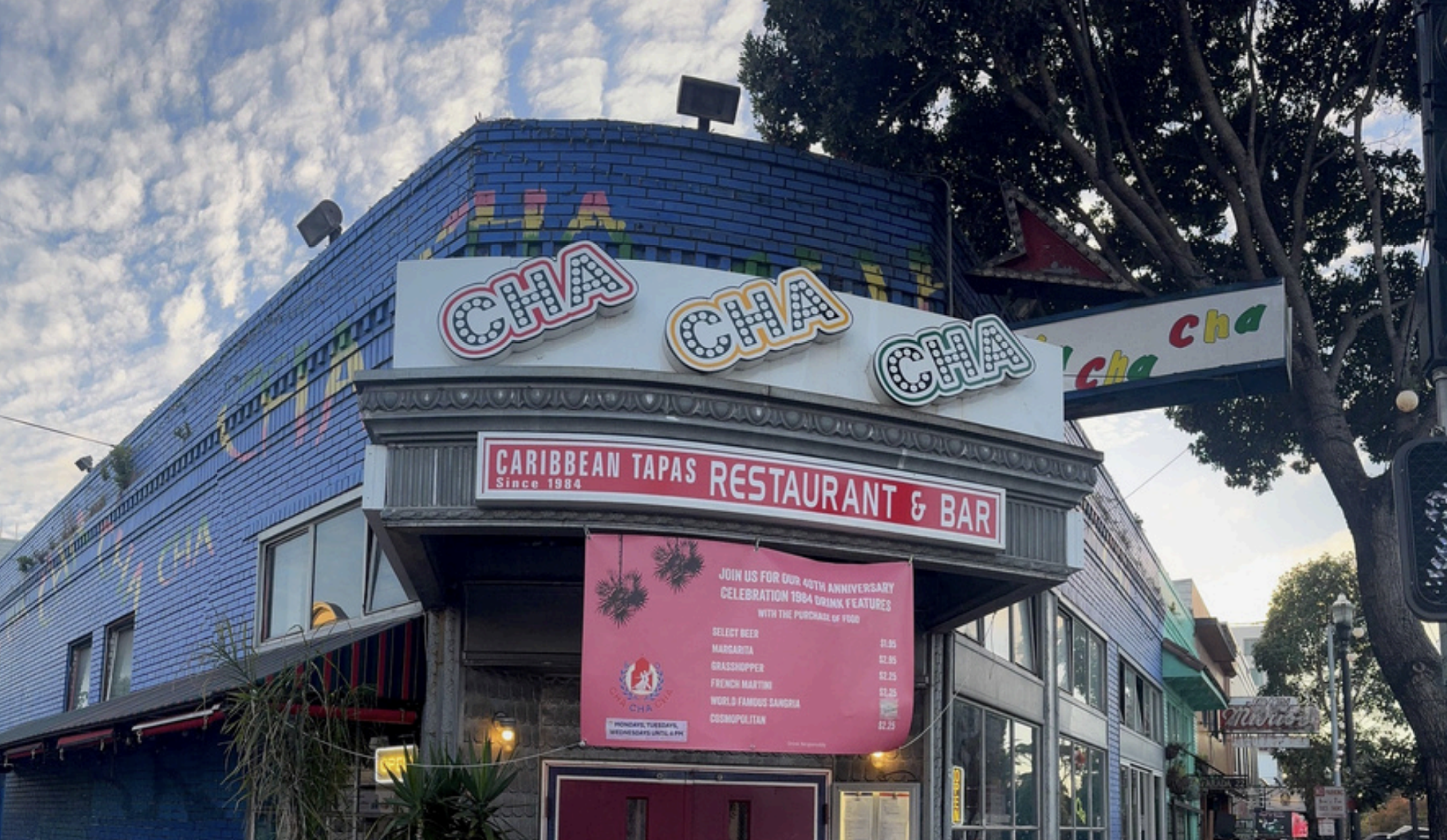
Our next Happy Hour takes us to Cha Cha Cha (1801 Haight Street) this Thursday, April 9, 2026 from 5-7 pm. When this Caribbean-inspired restaurant opened in 1984—they opened a second location in the Mission in 1997—it was one of the first places in San Francisco to serve sangria (dry red wine, some fruit, and a liqueur).
Register now and meet us at Cha Cha Cha’s bar and connect with folks who love the city’s special places.

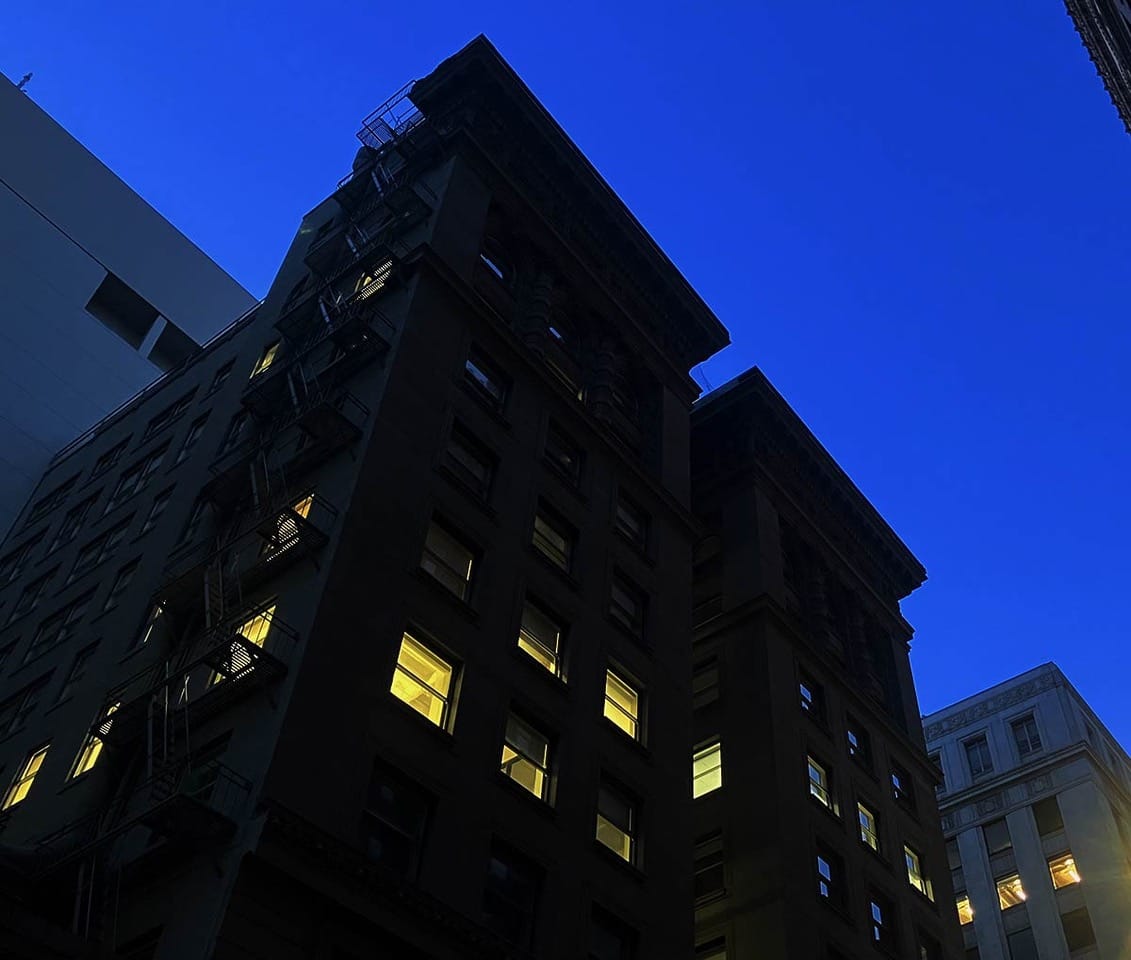
Teaser...
where am I?
In our next email we will take a closer look at a city landmark which survived the 1906 earthquake and fire and was supposedly designed to honor the owner’s last-name initial. Where is it? (If you are not a donating member, update your account today and get all the deep dives into San Francisco special places.)

That’s all for this week! Thanks to those who have already helped us raise over $900 towards our new stereo-slide digitization project. More exciting updates to come on the Archives Project. In the meantime, help us make these historic and never-before-seen SF views available online by donating any amount here.
Sources:
Visit the Paul K. Longmore Institute on Disability at San Francisco State University for their extensive resources on the "504 Sit-in."


Member discussion